Timed succession sowing
Stagger sowing every 2–3 weeks from late spring to mid-summer so new plants start blooming just as older ones decline, keeping a continuous flower display for pollinators and cut flowers when growing sulphur cosmos.


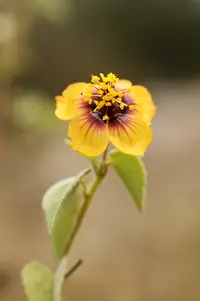
Sulphur cosmos (Cosmos sulphureus) is a warm-season annual flower grown for its bright yellow, orange, or red daisy-like blooms. It forms airy, branching plants with fine, feathery foliage that give beds and borders a light, informal look.
This species is native to Mexico and parts of Central and South America but is now widely grown in gardens and naturalized in many warm and temperate regions. It is valued for being forgiving of heat, poor soils, and occasional neglect, which makes it suitable for beginners learning how to care for sulphur cosmos.
Plants prefer full sun, well-drained soil, and moderate watering, and they often self-seed, returning in suitable conditions without much intervention.

Care Difficulty
Easy Care

Light Preference
Full Sun

Water Requirements
Low Water

Temperature Preference
Tropical / Frost Sensitive

Hardiness Zone
2–11

Soil Texture
Sandy, Loamy, Rocky

Soil pH
Acidic (5.5–6.5), Slightly acidic (6.5–7.0)

Soil Drainage
Well-drained

Fertilization
Minimal (feed rarely)
Scan your plant to receive care tips personalized for your specific plant
Available on iOS and Android
This sun-loving annual thrives in open, bright conditions for strongest flowering.
This species prefers slightly dry conditions and is sensitive to soggy soil.
This warm-season annual grows best in consistently mild to hot conditions without frost.
This species handles a wide humidity range and does not need special humidity control.
Cosmos sulphureus thrives in relatively poor, well-drained soil and can struggle in rich, wet conditions.
This species is suitable for container growing when the pot is chosen to match its fast, upright growth.
Light feeding supports flowering, but Cosmos sulphureus performs well even in modest soils.
Thoughtful pruning improves Cosmos sulphureus flowering and keeps plants tidy.
This annual is more often transplanted in beds than repotted long term in containers.
Cosmos sulphureus is most commonly propagated from seed, which allows quick establishment of new plants.
This species behaves as a frost-tender annual in most climates and needs minimal winter care once frost arrives.

Plant Health Check
Not sure what's wrong with your plant? Check your plant's health inside the app.
This species evolved in warm regions of Mexico and Central America and shows strong tolerance to high temperatures and short dry spells once established, which makes it useful in low-input and roadside plantings.
Its bright yellow to orange flowers produce accessible nectar and pollen that attract a wide range of generalist pollinators, including native bees, hoverflies, and butterflies, supporting urban and agricultural pollinator habitats.
Although usually grown as an annual, it produces many viable seeds that readily drop and germinate the following season, allowing naturalized stands to persist for years with minimal intervention and helping gardeners grow Cosmos sulphureus with little replanting.

Cosmos sulphureus has become naturalized in parts of Asia and the southern United States, where it is sometimes used in large-scale roadside and embankment plantings to stabilize soil while also providing long flowering displays that support pollinating insects.
Poor flowering usually comes from too much shade, overly rich or high‑nitrogen soil, or crowded plants. Provide plenty of sun, avoid heavy fertilizing, and deadhead spent blooms so the plant directs energy into producing new flowers.
Keep your plants happy and healthy with plant identification, disease detection, and easy care guidance.