Annona foetida Care

Annona foetida

About Annona foetida

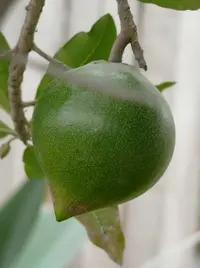
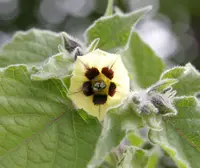
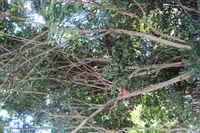
Annona foetida is a small tropical tree from the Annonaceae family, related to other custard apple species. It is native to lowland rainforests of South America, especially Brazil and neighboring regions. The tree has simple, elongated leaves and produces fleshy, knobbly fruits with a strong, sometimes unpleasant odor, which explains the species name foetida.

In cultivation it tends to form a medium, well-branched canopy and prefers warm, frost-free conditions. It generally grows best in full sun to light shade, with evenly moist, well-drained soil. For those interested in how to care for Annona foetida, climate suitability and protection from cold are usually the main challenges.

Main Plant Requirements

Care Difficulty

Moderate Care

Light Preference

Full Sun

Water Requirements

Regular Water

Temperature Preference

Tropical / Frost Sensitive

Hardiness Zone

10–12

Soil Texture

Sandy, Loamy, Organic-rich

Soil pH

Acidic (5.5–6.5), Slightly acidic (6.5–7.0)

Soil Drainage

Moist but well-drained

Fertilization

Minimal (feed rarely)

Get Personalized Care Plan

Scan your plant to receive care tips personalized for your specific plant

Available on iOS and Android

How to Care for the Annona foetida

This tropical tree needs strong, warm light but benefits from protection during the harshest midday sun.

  • Provide 6–8 hours of sun daily, ideally with morning sun and light afternoon shade, especially in hot, low-latitude climates.
  • Young Annona foetida plants handle partial shade; 3–4 hours of direct morning sun plus bright filtered light helps avoid leaf scorch.
  • Insufficient light leads to sparse growth and poor flowering, while intense all-day sun can cause leaf burn; use taller plants or shade cloth in summer if needed.

This species prefers evenly moist, well-drained soil and reacts quickly to both drought and waterlogging.

  • Water when the top 3–5 cm of soil feels dry, aiming for moist but not saturated soil throughout the rooting zone.
  • During warm, active growth, increase frequency; in cooler or slower-growth periods, allow slightly more drying to reduce root-rot risk.
  • Signs of overwatering include yellowing leaves and soft new growth, while underwatering shows as leaf curl, dull color, and premature leaf drop in Annona foetida.

This lowland tropical tree thrives in consistently warm, frost-free conditions.

  • Optimal growth occurs at 70–86°F (21–30°C), with steady warmth encouraging strong vegetative and flowering performance.
  • The plant is highly sensitive to cold; growth slows below 60°F (16°C) and tissue damage can occur near 40°F (4°C).
  • Avoid frost entirely, as freezing kills young tissue; in hot regions above 95°F (35°C), provide extra water and some afternoon shade to limit heat stress.

This species benefits from moderately high humidity to support healthy foliage and fruit set.

  • Aim for 50–70% humidity; it tolerates brief dips lower but prolonged very dry air slows growth.
  • Low humidity stress shows as curled leaf edges, pale new growth, and slowed shoot extension.
  • Increase humidity with grouped plants, a pebble tray under the container, or a nearby cool-mist humidifier.

This species prefers deep, well-aerated, slightly acidic to neutral soil that drains freely yet holds some moisture.

  • Use a loamy mix with 40–50% composted organic matter, plus coarse sand or fine bark to keep structure open.
  • Ensure rapid drainage; in containers, combine roughly 60% peat or coco mix with 30% coarse sand and 10% perlite.
  • Target pH 5.5–7.0; avoid strongly alkaline or compacted ground that restricts root oxygen and nutrient uptake.
  • Prevent waterlogging by planting on a slight mound or raised bed where heavy rainfall is common when growing Annona foetida.

This species can be grown in large containers when young or in compact forms, provided the pot supports its deep, spreading root system.

  • Choose a tall, heavy container to stabilize the plant against wind and accommodate a strong taproot.
  • Use a potting mix that stays slightly moist but never saturated so the deeper root zone does not become anaerobic.
  • Select a pot material with moderate breathability, such as thick-walled clay or fabric, to reduce overheating and root stress in sun-exposed settings.

This species benefits from light, balanced feeding in cultivation, especially in poor soils.

  • Use a balanced NPK granular or liquid fertilizer, or well-rotted compost, during the warm growing season.
  • Apply at 4–6 week intervals, using half-strength dilution for liquids to avoid salt buildup around the roots.
  • Water before and after applying fertilizer to reduce root burn and help nutrients move into the soil profile.
  • Reduce or stop feeding in cooler months when Annona foetida growth slows, resuming only once active growth returns.

Pruning helps maintain structure and remove weak growth on Annona foetida trees grown in managed landscapes.

  • Carry out main pruning at the end of the dry or cool season, just before active growth starts.
  • Remove dead, diseased, or storm-damaged branches first, cutting back to healthy wood with clean bypass pruners or a sharp saw.
  • Thin crowded interior branches to improve light penetration and airflow, keeping a single, strong central leader if possible.
  • Limit heading cuts on young trees to light tip-pinching, which encourages a balanced crown without stimulating overly dense, weak shoots.

This species is usually field-grown, so guidance focuses on transplanting young trees from containers into the ground.

  • Transplant when roots lightly circle the pot or growth slows despite good care, ideally in late spring or early summer in warm regions.
  • Move plants from small nursery containers every 1–2 years until they establish in their final ground position.
  • Water the plant well before transplanting, handle the root ball gently, and tease only the outermost circling roots to limit shock.
  • Plant at the same soil level, backfill with native soil, water deeply, then shade and keep evenly moist for several weeks to help recovery.

Propagation of Annona foetida is usually done from seed for both restoration and orchard-style plantings.

  • Collect fully ripe fruits, clean seeds, and sow fresh for best viability.
  • Sow seeds in a warm medium at 75–85°F with good drainage, keeping it evenly moist but never waterlogged.
  • Provide bright, indirect light and steady warmth; germination can take several weeks to a few months.
  • Once seedlings develop several true leaves, pot individually into deep containers to allow strong taproot development before outplanting.

This tropical tree is sensitive to frost and needs protection in regions with cool winters.

  • Grow in frost-free areas where temperatures stay above about 40°F, or use containers in marginal climates.
  • Before the coldest period, apply a 5–8 cm layer of organic mulch around the root zone, keeping it slightly away from the trunk.
  • For young trees, wrap the lower trunk with breathable horticultural fabric during short cold snaps.
  • Move container plants indoors or into a warm greenhouse when night temperatures approach 40°F, ensuring good light and reduced watering.

Care Tips

Formative stem training

In the first 2–3 years, select a single strong leader and 3–4 evenly spaced lateral branches 30–60 cm above the soil, removing competing shoots to build a stable framework that can support future heavy fruit loads.

Fruit load management

Once the tree starts bearing, thin crowded young fruits so that only 1–2 remain per cluster and maintain at least 15–20 cm spacing, which reduces branch breakage and improves individual fruit size and quality.

Targeted wind protection

In exposed sites, install a porous windbreak (such as shade cloth or mesh fencing) on the windward side during the first 3–5 years to reduce leaf tearing and trunk wobble that can slow establishment.

Mulch zone control

Keep a 5–10 cm deep organic mulch ring extending at least to the drip line but pulled back 5–8 cm from the trunk to stabilize soil moisture, suppress weeds, and prevent bark rot at the base.

Regular pest scouting

Inspect young flushes, flower clusters, and developing fruits every 7–10 days for beetles, scale, or caterpillar damage and use targeted interventions early, as consistent monitoring is one of the most effective tools when caring for Annona foetida.

Common Pests and Diseases

Annona seed borer

This pest is a small moth larva that bores into developing fruits and feeds on the seeds, causing premature fruit drop and internal damage. Symptoms include small entry holes on the fruit surface and frass (sawdust-like waste) near the opening.

Solution

Remove and destroy all infested fruits from the ground and tree to break the life cycle, and avoid leaving fallen fruit under the canopy. Where needed, protect young fruits with fine mesh bags and use pheromone or light traps nearby to monitor and reduce adult moth populations when growing Annona foetida in small orchards or home gardens.

Fruit flies

These insects lay eggs under the skin of ripening fruits, and the larvae tunnel through the pulp, making fruits soft, discolored, and unmarketable. Symptoms include small puncture marks on the fruit surface and rapid fruit decay with maggots inside.

Solution

Collect and destroy all fallen and infested fruits daily to reduce breeding sites, and use baited traps or bait sprays around the canopy to lower adult fly numbers. In high-pressure areas, cover developing fruits with paper or cloth bags once they reach a suitable size while maintaining good sanitation around the tree.

Anthracnose

This disease is a fungal infection that affects leaves, twigs, and fruits, causing dark, sunken spots that may merge and lead to fruit cracking or leaf drop. Symptoms include small brown to black lesions that expand during warm, humid weather.

Solution

Prune to open the canopy and improve airflow, and promptly remove and destroy infected leaves and fruits from the tree and ground. During prolonged wet or humid periods, apply a labeled copper-based or biofungicide spray as a preventive measure, making sure to cover young leaves and developing fruits.

Leaf spot complex

This disease group is caused by several fungi that create circular to irregular spots on leaves, which may turn yellow around the edges and drop prematurely. Symptoms include scattered lesions that are more severe on shaded, poorly ventilated parts of the canopy.

Solution

Improve light penetration and airflow by thinning dense branches, and avoid overhead irrigation that keeps foliage wet for long periods. Collect and discard fallen leaves, and in persistent cases, use a suitable foliar fungicide according to label directions, focusing treatments on young, expanding foliage.

Scale insects

These insects attach firmly to twigs and leaf undersides, sucking sap and weakening the tree; heavy infestations lead to sooty mold growth on honeydew deposits. Symptoms include rough, bump-like insects on stems and a sticky, blackened coating on leaves and nearby surfaces.

Solution

Prune out heavily infested small branches and wipe accessible areas with a cloth dipped in mild soapy water or horticultural oil to remove scales. For larger trees, apply a horticultural oil spray during mild weather, ensuring thorough coverage of twigs and leaf undersides while repeating as needed according to product directions.

Interesting Facts

Strongly fetid aroma

The ripe fruits and crushed leaves of Annona foetida release a notably strong, unpleasant odor, which inspired the species name foetida meaning foul-smelling in Latin and is thought to help attract certain carrion-associated insects as visitors.

Amazonian floodplain native

This species occurs naturally in lowland Amazonian habitats, including periodically flooded forests and river margins, where it tolerates seasonal inundation and high humidity typical of these ecosystems.

Specialist insect visitors

Like many Annonaceae, it has beetle-pollinated flowers, but A. foetida is especially known for attracting nitidulid and other small beetles that are drawn to its scent and sheltered floral chamber, which provides them with food and a temporary refuge.

Botan icon

Did you know?

Although sometimes mentioned as potentially edible, the fruit pulp of Annona foetida is widely reported in botanical and ethnobotanical sources as having such an intense and disagreeable odor and flavor that it is rarely collected or consumed by local people, despite the general popularity of other Annona fruits such as soursop and cherimoya.

FAQs about Annona foetida

The fruit is considered edible in its native range, usually eaten ripe and fresh. However, it has a strong odor and reported quality is variable. Seeds and other non‑fruit parts should not be consumed.

Grow Healthy Plants with Botan Care

Keep your plants happy and healthy with plant identification, disease detection, and easy care guidance.

Botan plant care app — identify plants on mobile

Explore More Plants