Mexican stonecrop Care (Sedum mexicanum)

Mexican stonecrop

About Mexican stonecrop

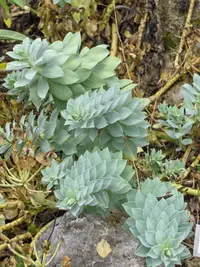
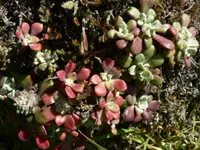
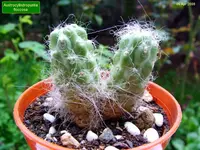
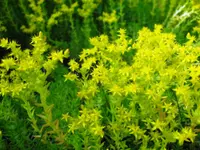
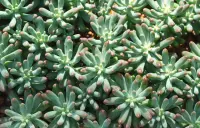
Mexican stonecrop (Sedum mexicanum) is a small, mat-forming succulent grown for its bright green, threadlike leaves and dense, trailing stems. It often creates a soft, cushion-like groundcover or cascades over the edges of pots and walls.

This species is native to Mexico and parts of Central America, where it thrives in sunny, rocky slopes with sharp drainage. Its fleshy leaves store water, which makes it very tolerant of short dry periods and generally easy to maintain.

Light, well-drained soil and good sun exposure support compact, healthy growth, and many gardeners choose this plant when they want to learn how to care for Mexican stonecrop in simple outdoor or container setups.

Main Plant Requirements

Care Difficulty

Easy Care

Light Preference

Full Sun

Water Requirements

Low Water

Temperature Preference

Warm Climate

Hardiness Zone

9–11

Soil Texture

Sandy, Loamy, Rocky

Soil pH

Slightly acidic (6.5–7.0), Neutral (7.0)

Soil Drainage

Well-drained

Fertilization

Minimal (feed rarely)

Get Personalized Care Plan

Scan your plant to receive care tips personalized for your specific plant

Available on iOS and Android

How to Care for the Mexican stonecrop

This sun-loving succulent thrives in bright conditions with some protection from extreme afternoon heat.

  • Provide 4–6 hours of direct morning sun or bright light, with light afternoon shade in hotter regions to prevent scorching of the fine foliage.
  • Tolerates partial shade (2–4 hours of direct sun), but Mexican stonecrop becomes looser and less compact if light is too low.
  • In summer, watch for pale, bleached leaves as a sign of excess sun; in cooler months, ensure plants are not shaded all day by taller vegetation.

This plant prefers infrequent, deep watering and fast-drying soil.

  • Water only when the top 2–4 cm of soil are completely dry; leaves should feel firm, not soft or wrinkled, before watering again.
  • Use very well-draining, gritty soil; standing water or heavy clay greatly increases the risk of root rot in Sedum mexicanum.
  • Reduce watering in cool seasons, watching for mushy, translucent leaves as a sign of overwatering and shriveled, limp leaves as a sign of underwatering.

This species handles a wide temperature range but is sensitive to hard frost and extreme heat stress.

  • Optimal growth occurs around 65–80°F (18–27°C), where stems stay compact and new growth forms steadily.
  • Short dips to about 25–30°F (-4 to -1°C) may be tolerated with minor damage, but repeated or lower frosts can kill tender tips or entire plants.
  • In hot spells above 90°F (32°C), provide light shade and avoid heat-reflecting surfaces, as combined high heat and intense sun can scorch foliage.

This species handles low household humidity well and rarely needs special adjustment.

  • Target 30–50% air humidity; values above this are tolerated if the soil is kept dry and fast-draining.
  • Dry indoor air is usually fine, but prolonged heat with stagnant air can cause limp, shriveling tips and leaf drop.
  • If air is extremely dry and hot, increase humidity indirectly by grouping plants and shielding from hot drafts rather than misting leaves.

Sedum mexicanum prefers very fast-draining, lean, mineral-rich soil that prevents waterlogging around the roots.

  • Use a sandy or gritty mix, such as 50–70% cactus mix with added coarse sand or pumice for extra drainage and aeration.
  • Aim for slightly acidic to neutral pH around 6.0–7.0, avoiding strongly acidic or alkaline substrates that can restrict nutrient uptake.
  • Incorporate only a small amount of organic matter, like fine bark or compost, to avoid moisture-heavy, dense, or peat-heavy mixes that hold water too long.
  • Elevate drainage by using pots with large holes and, if needed, adding a thin layer of coarse gravel above the holes to prevent mix compaction there.

This species is well suited to container growing, including shallow bowls and balcony planters.

  • Choose a wide, shallow pot that allows creeping stems to spread while keeping the root zone relatively compact and easy to dry out.
  • Use unglazed terracotta if extra evaporation is needed in wet or humid climates, as this material releases moisture faster than plastic or glazed ceramic.
  • Position containers where trailing growth can hang over edges without being crushed, which improves air flow around stems and reduces rot risk at the rim.

This drought-tolerant succulent needs only light feeding to maintain healthy growth.

  • Use a diluted balanced liquid fertilizer (around 10-10-10 or 20-20-20 at 1/4 strength) during active growth in spring and summer.
  • Apply every 4–6 weeks for container-grown Mexican stonecrop; garden plants often need no feeding on decent soil.
  • Avoid high-nitrogen lawn or shrub fertilizers, which cause weak, stretched growth.
  • Stop feeding in fall and winter to allow natural rest and prevent soft, frost-prone tissue.

Light pruning keeps Sedum mexicanum compact and prevents it from becoming too straggly.

  • Best time is late spring to early summer, after new growth has started.
  • Snip off dead, damaged, or leggy stems with clean scissors or small pruners.
  • Shortening long runners encourages branching and a denser mat of foliage.
  • Remove congested or shading sections to improve airflow and light penetration.

This sedum adapts well to both groundcover use and container culture but dislikes frequent disturbance.

  • Repot or transplant every 2–3 years, or when roots circle the pot, drainage slows, or growth stalls.
  • Choose spring or early summer so plants re-establish quickly in warm, bright conditions.
  • Use a shallow, wide container with fast-draining gritty mix and handle roots gently to limit damage.
  • Water lightly after moving, keep in bright shade for 3–5 days, then transition to stronger light.

Sedum mexicanum is commonly propagated vegetatively for quick coverage and uniform plants.

  • Take 5–8 cm stem cuttings in late spring or summer, removing lower leaves.
  • Allow cut ends to dry for 1–2 days, then place on well-draining mix and keep slightly moist.
  • Division of dense mats in spring is effective; replant clumps at the same depth.
  • Small fallen stem pieces often root on their own in warm, bright, dry-ish conditions.

This sedum is fairly cold tolerant but may suffer in prolonged hard freezes, especially in containers.

  • In-ground plants in mild climates usually need no special winter care if soil drains well.
  • Apply a thin gravel or coarse sand mulch around the crown to keep stems off wet soil.
  • Move containers to a sheltered, bright, frost-free spot when temperatures drop below the plant’s tolerance.

Care Tips

Pinch For Density

Regularly pinch back soft stem tips by 1–2 cm to keep the mat compact, encourage denser branching, and prevent the center from thinning out as the plant ages.

Edge Control Trimming

Use scissors to lightly trim only the trailing edges that spill over pots or rock crevices, then replant the cut pieces as fresh cuttings to fill bare gaps or expand the planting.

Root Check Rotation

Once or twice a year, gently lift a small edge section to check root color and firmness, and rotate containers 90° to avoid weak, stretched growth on the shaded side when growing Mexican stonecrop.

Summer Stress Coloring

To enhance foliage color, allow slightly drier conditions and a bit more light in late spring to summer, but reduce stress again if you notice shriveling or leaf scorch.

Low-Maintenance Propagation

Collect naturally broken stem pieces after pruning, let them dry for 1–2 days, then press them onto a shallow tray of gritty mix to create a reserve of small plants for quick replacement of any winter-damaged patches.

Common Pests and Diseases

Mealybugs

This pest often hides in stem joints and between tight leaves, sucking sap and causing distorted, stunted new growth. Symptoms include white cottony clusters and sticky honeydew on stems and foliage.

Solution

Isolate the plant, then dab visible insects with cotton swabs dipped in 70% isopropyl alcohol and rinse the foliage gently after treatment. For heavier infestations, repeat alcohol treatments weekly and use a low-toxicity insecticidal soap, ensuring the plant dries quickly afterward to avoid prolonged leaf wetness.

Aphids

These insects feed on tender new shoots, causing curling tips and reduced vigor. Symptoms include clusters of small soft-bodied insects and shiny honeydew that can attract ants.

Solution

Spray the plant with a firm stream of water to dislodge aphids, then treat remaining colonies with insecticidal soap, covering stems and leaf joints thoroughly. Repeat every 5–7 days until populations drop and keep nearby weeds or overly lush plants trimmed to reduce reinfestation while growing Mexican stonecrop outdoors.

Spider mites

This pest thrives in hot, dry conditions and feeds on plant sap, leading to fine stippling and a dull, tired look to the foliage. Symptoms include very fine webbing between stems and tiny moving dots on the undersides of leaves.

Solution

Rinse the plant thoroughly with lukewarm water, focusing on the undersides of leaves, and increase ambient humidity slightly without keeping foliage constantly wet. For persistent mites, use a horticultural oil or insecticidal soap, applied in the early morning or evening to avoid leaf scorch and repeated every 7–10 days as needed.

Powdery mildew

This disease can develop in crowded, poorly ventilated mats, creating a white or gray powdery coating on leaves and stems. Symptoms include dull, discolored patches that may eventually cause leaf yellowing and drop.

Solution

Improve airflow by thinning dense patches and avoiding overhead watering late in the day, then remove and discard the worst-affected stems. In recurring cases, apply a sulfur-based or potassium bicarbonate fungicide labeled for ornamental succulents, following label directions and keeping sprays off open flowers when possible.

Botrytis blight

This disease appears during cool, damp periods and attacks succulent leaves and stems, creating soft, water-soaked spots that turn brown and develop gray fuzzy mold. Symptoms include rapid tissue collapse in dense areas of growth, especially where dead foliage is trapped on the mat.

Solution

Cut out and dispose of all affected tissue, then reduce moisture on leaves by watering at the soil level and allowing the surface to dry between waterings. Improve air circulation, avoid crowding, and, if needed, use a targeted ornamental fungicide during prolonged wet weather to limit spread.

Interesting Facts

Natural ground weaver

In its native Mexican range, this species naturally forms dense, mat-like carpets over rocky slopes and thin soils, helping stabilize the surface and reduce erosion in exposed, sunbaked sites.

Stem-rooting strategy

The thin trailing stems readily form roots at the nodes when they touch loose, gritty soil, allowing the plant to spread vegetatively and quickly colonize cracks in rocks and retaining walls.

Heat and drought specialist

This sedum uses a photosynthetic pathway called CAM (Crassulacean acid metabolism), opening its stomata mainly at night to limit water loss, which contributes to its strong tolerance of heat and periodic drought.

FAQs about Mexican stonecrop

Poor blooming often relates to insufficient light, excess nitrogen, or very young growth. Check that the plant receives ample brightness, is not heavily fertilized, and has a short rest period in cooler, drier conditions before the flowering season.

Grow Healthy Plants with Botan Care

Keep your plants happy and healthy with plant identification, disease detection, and easy care guidance.

Botan plant care app — identify plants on mobile

Explore More Plants