


Use mineral mulch
Top-dress the pot or bed with a 1–2 cm layer of coarse grit, pumice, or small lava rock to keep the stem bases dry, reduce rot risk, and encourage denser, more compact growth.

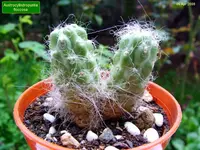
Waraqu, Austrocylindropuntia floccosa, is a shrubby, clumping cactus known for its dense, woolly spines that give each stem a fuzzy, white appearance. It typically forms low, compact mounds rather than tall columns.
This species is native to high Andean regions of South America, where it grows in rocky, well-drained soils under strong sun and cool, dry air. Its slow growth, drought tolerance, and minimal nutrient needs make it relatively straightforward to care for waraqu when overwatering is avoided.
In cultivation it prefers bright light, low to moderate moisture, and a gritty, fast-draining cactus mix to prevent root problems and maintain its compact form.

Care Difficulty
Easy Care

Light Preference
Full Sun

Water Requirements
Low Water

Temperature Preference
Warm Climate

Hardiness Zone
9–11

Soil Texture
Sandy, Loamy, Rocky

Soil pH
Slightly acidic (6.5–7.0), Neutral (7.0)

Soil Drainage
Well-drained

Fertilization
Minimal (feed rarely)
Scan your plant to receive care tips personalized for your specific plant
Available on iOS and Android
This high-altitude cactus thrives in strong sun but still needs gradual acclimation in lowland gardens.
This species prefers dry conditions and is highly sensitive to excess moisture around the roots.
This cactus is adapted to cool, dry Andean conditions with strong sun and large day–night temperature swings.
Humidity is rarely a concern, as this cactus thrives in dry air typical of heated homes.
This species needs a very fast-draining, mineral-based substrate to prevent root and stem rot.
This cactus is well suited to container growing, including small patio pots and troughs.
Austrocylindropuntia floccosa grows well with minimal feeding, but light nutrition supports container plants and active growth when caring for waraqu.
Austrocylindropuntia floccosa benefits from occasional light pruning to control size and remove damaged tissue.
This cactus prefers stable conditions and infrequent disturbance, so repot or transplant Austrocylindropuntia floccosa only when clearly needed.
Austrocylindropuntia floccosa is commonly propagated from stem cuttings, with seeds used less often.
Austrocylindropuntia floccosa is relatively cold tolerant but benefits from some winter care in colder climates.

Plant Health Check
Not sure what's wrong with your plant? Check your plant's health inside the app.
This cactus naturally grows in the high Andes of Peru and Bolivia, often above 3,000 m, where it tolerates intense sun, low atmospheric pressure, and frequent temperature swings around freezing.
Its dense white hairs are clusters of modified spines that trap air, reduce water loss, and protect the green tissue from strong ultraviolet radiation and sudden cold.
Instead of a single tall column, it forms low, cushion-like clumps of many upright stems, a growth form that helps stabilize shallow mountain soils and reduces wind exposure.

In parts of the central Andes, traditional herders recognize this species as an important forage cactus for camelids such as llamas and alpacas, which can browse its stems despite the spines, especially in harsh dry seasons when other vegetation is scarce.
Growth is generally slow to moderate. In containers, stems often extend 5–10 cm per year, sometimes more in strong light and warmth. Limited root space, low light, and cool temperatures all reduce growth speed significantly when growing waraqu.
Keep your plants happy and healthy with plant identification, disease detection, and easy care guidance.


Acanthocalycium spiniflorum
Acanthocalycium spiniflorum
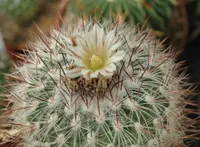
Brain Cactus
Stenocactus multicostatus
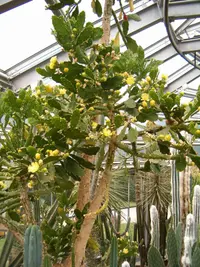
Brazilian Prickly Pear
Brasiliopuntia brasiliensis
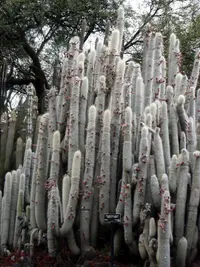
Silver torch cactus
Cleistocactus strausii
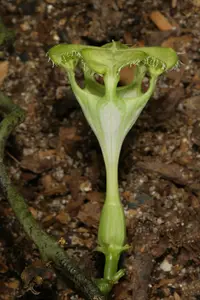
Parachute Flower
Ceropegia sandersonii

Ric Rac cactus
Selenicereus anthonyanus
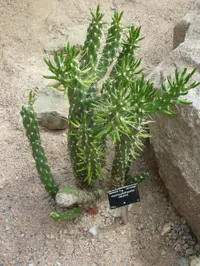
Eve's needle cactus
Austrocylindropuntia subulata

Zygophyllum indicum
Zygophyllum indicum