Ferocactus uncinatus Care

Ferocactus uncinatus

About Ferocactus uncinatus

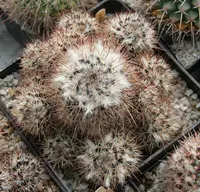
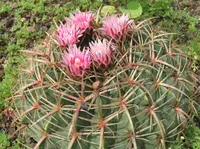
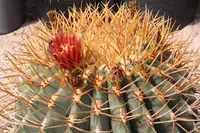
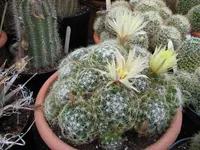
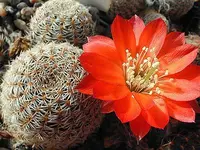
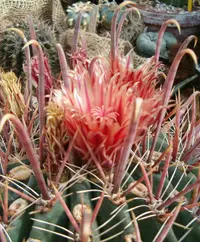
Ferocactus uncinatus is a slow-growing barrel cactus native to arid regions of northeastern Mexico and southern Texas. It forms a rounded to slightly cylindrical body with pronounced ribs and heavy hooked spines. Colors range from green to blue-green, and the strong central spines are often reddish or brown, giving the plant a striking, architectural look. In suitable conditions, it produces funnel-shaped yellow to reddish flowers near the crown. This species is adapted to intense sun, very well-drained mineral soils, and infrequent water, which makes it relatively straightforward for patient growers. Understanding how to care for Ferocactus uncinatus mainly involves avoiding overwatering and providing strong light.

Main Plant Requirements

Care Difficulty

Easy Care

Light Preference

Full Sun

Water Requirements

Low Water

Temperature Preference

Tropical / Frost Sensitive

Hardiness Zone

9–11

Soil Texture

Sandy, Loamy, Rocky

Soil pH

Slightly acidic (6.5–7.0), Neutral (7.0)

Soil Drainage

Well-drained

Fertilization

Minimal (feed rarely)

Get Personalized Care Plan

Scan your plant to receive care tips personalized for your specific plant

Available on iOS and Android

How to Care for the Ferocactus uncinatus

This desert cactus needs very bright light to thrive and maintain compact, healthy growth.

  • Provide 6–10 hours of direct sun daily; morning and midday sun are ideal, with light afternoon shade in very hot, low-humidity regions.
  • Young or recently moved Ferocactus uncinatus should be acclimated over 10–14 days to full sun to prevent bleaching and corky sunburn patches.
  • In winter, ensure the brightest possible position; persistent shade leads to elongated, weak growth and pale, dull spines.

This species prefers infrequent, thorough watering with long dry periods between soakings.

  • Water only when the top 3–5 cm of soil are completely dry; in warm growing season this may mean every 2–4 weeks, less often in cool weather.
  • Use very fast-draining, gritty soil and allow all excess water to drain away to reduce root-rot risk from standing moisture.
  • In winter dormancy, keep almost dry, watering lightly only if the body shrivels; soft, yellowing tissue and a musty smell signal overwatering.

This cactus tolerates heat well but is sensitive to prolonged cold and frost.

  • Aim for 70–90°F (21–32°C) during active growth, which supports steady metabolism and spine development.
  • Short periods down to about 25–28°F (-4 to -2°C) may be survived if soil is completely dry, but repeated freezes damage roots and tissue.
  • For best long-term health, provide a cool, dry winter rest around 45–55°F (7–13°C) and protect from sudden temperature drops and cold drafts.

This cactus tolerates typical indoor humidity and does not need extra moisture in the air.

This species needs a very fast-draining, mineral-heavy substrate to avoid root rot.

  • Use a gritty, sandy mix with coarse particles that let water pass quickly, such as 50–70% mineral material with 30–50% organic base.
  • Combine cactus potting mix with pumice, coarse perlite, or 3–5 mm gravel to improve aeration around the roots.
  • Aim for slightly acidic to neutral pH around 6.0–7.0, avoiding mixes that include peat only and stay wet for long periods.
  • Avoid dense, clay-based, or fine compost-rich substrates, which hold water and reduce oxygen in the root zone for Ferocactus uncinatus.

This species is well suited to container growing when the pot limits excess moisture around the roots.

  • Choose a heavy, wide-based pot to prevent tipping as the barrel becomes tall and top-heavy over time.
  • Select a container only slightly wider than the rootball so the mix dries evenly rather than staying wet in unused corners.
  • Use unglazed terracotta when possible, since its porous walls speed evaporation and help keep the root zone dry between waterings.

This desert cactus grows well with very light feeding during the active season in containers.

  • Use a low-nitrogen balanced cactus fertilizer (around 5-10-10) or diluted balanced NPK at 1/4 strength.
  • Apply once every 6–8 weeks in spring and summer when Ferocactus uncinatus shows active growth.
  • Avoid organic compost in pots, which can retain excess moisture and increase rot risk.
  • Stop feeding in fall and winter to allow full dormancy and prevent soft, weak tissue.

This cactus needs almost no pruning beyond basic hygiene and safety maintenance.

  • Limit work to removing dead, diseased, or badly damaged tissue using long-handled tongs and sharp, disinfected tools.
  • Clip spent flowers or dried fruit only if they attract pests, cutting as close to the base as safely possible.
  • Avoid shaping cuts; pruning does not improve form and can scar the ribbed stem permanently.
  • Inspect spines and areoles; leave healthy structures intact, as they protect the plant from sun and herbivores.

Container-grown plants are slow-growing and only need infrequent repotting to refresh soil and manage root health.

  • Check for roots circling the pot, pushing through drainage holes, or water running straight through as signs it needs repotting.
  • Plan to repot every 4–6 years in late spring, using a slightly larger pot and very gritty, fast-draining cactus mix.
  • Handle Ferocactus uncinatus with thick gloves and tongs, keeping the root ball as intact as possible to limit stress.
  • Let roots dry and heal for 3–5 days after repotting before light watering, then resume normal irrigation gradually.

This species is usually propagated from seed and is considered slow but reliable under warm, dry conditions.

  • Sow fresh seeds in late spring in a sterile, very gritty cactus mix with only a thin surface covering.
  • Maintain temperatures around 70–80°F, bright indirect light, and slightly moist (not wet) substrate until germination.
  • Provide good air movement and remove any damping-off seedlings promptly to limit fungal spread.
  • Once seedlings show firm spines and thicker stems, harden them off gradually to stronger light and drier watering.

This cactus prefers cool, very dry winter conditions and does not tolerate prolonged frost.

  • Keep temperatures around 45–55°F in winter, avoiding exposure below 32°F, especially in damp conditions.
  • Move container plants indoors or into an unheated bright room or greenhouse before hard freezes.
  • Provide maximum light and almost no water; a dry winter rest reduces rot and supports flowering next season.
  • Avoid wrapping the stem in plastic; if grown outdoors in mild climates, use a breathable cover during short cold snaps.

Care Tips

Rotate For Symmetry

Turn the pot 90° every 4–6 weeks during active growth so the plant receives even light and develops a balanced, straight form instead of leaning toward the brightest side.

Use Mineral Mulch

Top-dress the soil with a thin layer of coarse gravel or pumice to keep the neck of the plant dry, reduce rot risk at the base, and stabilize the cactus in its container.

Seasonal Rest Period

From late fall to late winter, keep the plant cool and almost dry to mimic its natural dormant season, which helps trigger stronger flowering and overall better performance the following year when growing Ferocactus uncinatus.

Safe Handling Setup

When repotting or inspecting the roots, wrap the plant loosely with several layers of folded newspaper or use thick foam blocks, so you can lift and steady it without damaging the spines or your hands.

Targeted Pest Checks

Inspect the ribs and spine bases monthly for mealybugs or scale, especially in the crevices, and treat early with a cotton swab dipped in isopropyl alcohol before infestations reach the root zone.

Common Pests and Diseases

Mealybugs

This pest feeds on cactus sap, often hiding in woolly clusters between ribs or around the areoles and roots, leading to yellowing and weak growth.

Solution

Quarantine the plant, then dab visible insects with cotton swabs dipped in 70% isopropyl alcohol and repeat weekly until gone; for heavier infestations, use a systemic insecticide labeled for cacti and inspect the root zone for root mealybugs during repotting, removing infested soil and rinsing roots before replanting in fresh, dry mix.

Red spider mites

These insects are tiny arachnids that thrive in hot, very dry air, causing a dull, dusty look, fine webbing between ribs, and tiny pale stippling on the epidermis.

Solution

Increase humidity slightly around, but not directly on, the cactus, then hose the plant with a firm stream of water to remove mites and webs; if activity remains, apply a miticide or insecticidal soap labeled for mites in repeated treatments, keeping the plant in bright, airy conditions to recover.

Scale insects

This pest appears as small, hard, brown or gray bumps on ribs and areoles, sucking sap and causing localized yellow or brown patches on the stem.

Solution

Gently scrape or pick off individual scales with a blunt tool or soft brush, wipe affected areas with 70% isopropyl alcohol, and repeat checks every 7–10 days; for persistent cases, use a systemic insecticide suitable for succulents and avoid overfertilizing, which can encourage faster pest buildup.

Fungal stem spots

This disease causes small sunken brown or dark spots on the stem that may slowly expand, often developing after minor injuries or prolonged surface moisture.

Solution

Cut out small, localized lesions with a sterile knife, dust the wound with sulfur or a copper-based fungicide, and keep the plant in a dry, very bright place until a firm callus forms; improve air circulation, water only at the soil level, and avoid splashing the stem to reduce future infections.

Bacterial soft rot

Symptoms include rapidly softening, water-soaked, and foul-smelling tissue, usually starting from a wound or crack and spreading quickly through the stem.

Solution

At the first sign, isolate the plant and cut back into completely firm, healthy tissue using a sterile knife, discarding all soft parts; allow the cut surface to dry and callus in a warm, airy place for several days, apply a dry sulfur or copper dust to the wound, and in severe cases where the base is affected, only healthy top sections can be salvaged and rooted as cuttings to continue growing Ferocactus uncinatus.

Interesting Facts

Hooked spine adaptation

This species develops strongly hooked central spines that help shade the stem surface and may slightly reduce herbivory by making the plant difficult for animals to bite or perch on.

Distinctive banded ribs

Mature plants often show prominent vertical ribs with darker, banded zones between areoles, giving the stem a striped or zoned appearance that is more pronounced than in many related Ferocactus species.

Flower and fruit traits

It produces funnel-shaped flowers in shades of reddish purple to brownish red, followed by relatively dry, dehiscent fruits that contain many small seeds adapted for dispersal by gravity and surface runoff rather than by fleshy-fruit-eating animals.

Botan icon

Did you know?

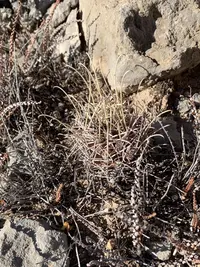
Ferocactus uncinatus naturally occurs on rocky limestone slopes and calcareous soils in northeastern Mexico and parts of Texas, making it one of the barrel cacti specifically associated with alkaline, mineral-rich substrates rather than deep desert sands.

FAQs about Ferocactus uncinatus

This species grows slowly, often adding only a few millimeters of height per year. In ideal conditions it may reach 10–20 cm across after many years, so patience is essential when growing Ferocactus uncinatus.

Grow Healthy Plants with Botan Care

Keep your plants happy and healthy with plant identification, disease detection, and easy care guidance.

Botan plant care app — identify plants on mobile

Explore More Plants