Mammillaria zephyranthoides Care

Mammillaria zephyranthoides

About Mammillaria zephyranthoides

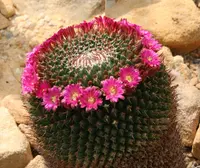
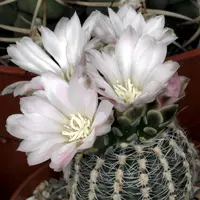
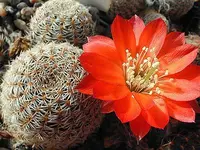
Mammillaria zephyranthoides is a small, clustering cactus known for its neat, rounded stems covered in fine white spines that give a soft, fuzzy look. It often forms compact clumps over time, making it well suited to pots and small spaces indoors.

This species is native to central Mexico, where it grows in rocky, well-drained habitats with strong light and low rainfall. Its slow growth, drought tolerance, and relatively low maintenance needs make it approachable for beginners who want to learn how to care for Mammillaria zephyranthoides. It prefers bright light, low to moderate watering, and a gritty, fast-draining soil mix.

Main Plant Requirements

Care Difficulty

Moderate Care

Light Preference

Full Sun

Water Requirements

Low Water

Temperature Preference

Tropical / Frost Sensitive

Hardiness Zone

10–11

Soil Texture

Sandy, Loamy, Rocky

Soil pH

Slightly acidic (6.5–7.0), Neutral (7.0)

Soil Drainage

Well-drained

Fertilization

Minimal (feed rarely)

Get Personalized Care Plan

Scan your plant to receive care tips personalized for your specific plant

Available on iOS and Android

How to Care for the Mammillaria zephyranthoides

This small cactus prefers bright conditions that balance strong light with protection from harsh extremes.

  • Provide 4–6 hours of direct morning sun plus bright indirect light for the rest of the day for Mammillaria zephyranthoides.
  • Allow light, shifting shade in hot early afternoon to prevent tissue scorch, especially in summer or in very bright southern exposures.
  • In winter, maximize light with a south- or west-facing spot; long, pale, stretched growth indicates insufficient light and need for a sunnier position.

This species prefers thorough but infrequent watering that allows the root zone to dry between soakings.

  • Water only when the top 3–5 cm of soil are fully dry and the pot feels noticeably lighter, then soak until water drains out and discard excess.
  • During active growth in spring and summer, drying between waterings may take 7–21 days depending on heat, light, and pot size.
  • In autumn and winter, reduce watering sharply to a light drink every few weeks; soft, yellowing, or mushy stems signal overwatering and possible root rot.

This cactus favors warm, dry conditions with a marked cool, dry rest in winter.

  • Aim for 70–85°F (21–29°C) in active growth; short spikes to 90–95°F (32–35°C) are tolerated if air is dry and the soil is not constantly wet.
  • Provide a cooler rest at 50–60°F (10–16°C) in winter with very limited watering to support flowering and prevent weak growth.
  • Protect from frost; brief dips to 32°F (0°C) are risky and can scar tissue, so move plants under cover or use frost protection in cold snaps.

This cactus handles typical indoor humidity well and rarely needs special humidity management.

  • Best growth occurs at 30–50% humidity, similar to most heated homes.
  • Dry air is tolerated, but prolonged very dry heat can cause slight shriveling and slower growth.
  • If stems wrinkle and tips brown in hot dry rooms, increase humidity indirectly by grouping plants or placing the pot on a pebble tray, never misting the plant.

This species needs a very fast-draining, mineral-rich soil mix to prevent root rot.

  • Use a gritty mix such as 50–70% inorganic material (pumice, perlite, coarse sand, or small lava rock) blended with 30–50% cactus potting substrate.
  • Aim for a loose, crumbly structure where water drains through in seconds and the surface dries fully within 1–2 days.
  • Slightly acidic to neutral pH, around 6.0–7.0, supports healthy root function for Mammillaria zephyranthoides.
  • Improve aeration by avoiding fine peat-heavy blends and never adding moisture-retentive materials like clay, vermiculite, or regular garden soil.

This cactus is very suitable for container growing due to its compact, shallow root system.

  • Choose a shallow, wide pot so the roots anchor well while the upper mass stays stable and less likely to tip.
  • Unglazed terracotta is preferred because it speeds evaporation and keeps the root zone drier between waterings.
  • Select a pot just 1–2 in wider than the plant’s body to prevent excess unused soil staying wet around the roots.

This small cactus grows well with modest feeding during its active season.

  • Use a diluted balanced liquid cactus fertilizer (around 10-10-10) at 1/4–1/2 strength during spring and summer.
  • Apply every 4–6 weeks when the plant is actively growing and soil is already slightly moist.
  • Avoid organic compost and high-nitrogen products that stay wet and can rot roots.
  • Stop feeding Mammillaria zephyranthoides in fall and winter when growth is minimal.

Pruning needs are minimal and focus on health, not shaping.

  • Perform any pruning in late spring or early summer when the plant is actively growing.
  • Remove only dead, diseased, or badly damaged stems using long tweezers and clean, sharp scissors.
  • Leave healthy stems intact, as heavy cutting can distort the natural clumping form and reduce flowering.
  • Disinfect tools before and after use to reduce disease spread around Mammillaria zephyranthoides.

This cactus prefers tight quarters and only occasional repotting.

  • Repot every 3–4 years or when roots circle the pot, soil drains poorly, or growth slows noticeably.
  • Plan repotting for late spring, using a shallow pot with drainage and fresh, gritty cactus mix.
  • Stop watering 5–7 days before handling to let the root ball dry and reduce damage.
  • Gently loosen roots, remove old soil, replant Mammillaria zephyranthoides at the same depth, then keep dry 7–10 days before light watering.

Propagation is commonly done from offsets, with seeds as a slower option.

  • Detach basal offsets in late spring or early summer using sterile scissors or a knife.
  • Allow cut surfaces to dry and callus for 3–7 days in a shaded, airy spot.
  • Plant offsets in slightly moist, gritty cactus mix and keep warm with bright, indirect light.
  • For seeds, sow on the surface of barely moist mix at 70–80°F and expect slow germination of Mammillaria zephyranthoides.

Winter care focuses on cool, dry rest and protection from freezing temperatures.

  • Overwinter around 45–55°F in a bright, dry location for best flowering next season.
  • Keep soil almost completely dry from late fall through winter to prevent root rot.
  • In cold regions, move containers indoors before temperatures drop near 32°F.
  • Ensure good air circulation around Mammillaria zephyranthoides while avoiding cold drafts directly on the plant.

Care Tips

Encourage Compact Clumping

Rotate the pot 1–2 times per month and keep light coming from above rather than from the side to maintain a tight, even clump instead of lopsided, stretched stems.

Use Top Dressing Grit

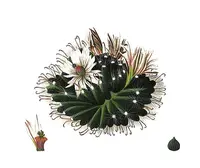
Apply a 0.5–1 cm layer of fine gravel or pumice on the soil surface to keep the base of the plant dry, reduce rot risk, and prevent the sensitive tubercles from sitting in damp soil particles.

Cool, Dry Rest Period

In late fall and winter, keep the plant cooler (50–60°F) and almost completely dry to promote better flowering and maintain the tight spine pattern the following growing season.

Gentle Handling Protection

Use folded paper strips, soft tongs, or a towel to grip the plant body when repotting so the fine spines do not break and your hands stay protected, which reduces damage and infection risk at the areoles.

Inspect Base For Rot

Every few months, gently press and visually check the stem base and lower tubercles; if you notice soft, discolored tissue, unpot immediately, cut back to firm healthy tissue, and reroot in fresh, dry mineral mix as part of systematic Mammillaria zephyranthoides care instructions.

Common Pests and Diseases

Mealybugs

This pest hides in the woolly areoles and between clustered stems, feeding on plant sap and weakening growth over time. Symptoms include white cottony masses, distorted new growth, and sticky honeydew that can lead to sooty mold.

Solution

Isolate the plant, then dab visible insects with cotton swabs dipped in 70% isopropyl alcohol, taking care to reach into woolly crevices. Follow with 1–2 thorough sprays of an insecticidal soap or neem oil solution at 7–10 day intervals, and reduce excess nitrogen fertilization that can encourage outbreaks.

Spider mites

These insects thrive on Mammillaria tissue in very dry, stagnant air and can be hard to see at first. Symptoms include dull, grayish or rusty patches on the epidermis, very fine webbing between tubercles, and slowed growth.

Solution

Increase air movement and lightly mist the surrounding air without soaking the cactus body, then rinse the plant gently with a strong but controlled stream of water to dislodge mites. After drying, apply an insecticidal soap or a miticide labeled for indoor succulents, repeating every 7–10 days until no new damage appears as part of consistent Mammillaria zephyranthoides care instructions.

Scale insects

This pest appears as small, hard, brown or tan bumps attached to the stem surface, sometimes hidden at the base of tubercles. Symptoms include localized yellowing, stunted growth, and honeydew that can attract ants or fungal growth.

Solution

Manually remove scale with a soft brush or toothpick, taking care not to damage the epidermis, then wipe affected areas with a cloth lightly moistened with 70% isopropyl alcohol. For persistent infestations, use a systemic insecticide labeled for cacti or repeat applications of horticultural oil while monitoring new growth closely.

Fusarium stem rot

This disease is a fungal infection that often starts at a wound or stressed area on the stem. Symptoms include localized softening, sunken brown or reddish lesions, and sometimes pinkish fungal growth inside when the tissue is cut.

Solution

Remove the plant from its pot, cut away all affected tissue well into firm, healthy flesh with a sterile knife, and allow the wound to callus in a dry, bright, shaded spot for several days. Repot into fresh, fast-draining cactus mix in a clean pot, avoid overhead watering, and keep the substrate on the dry side while the plant re-establishes.

Bacterial soft rot

This disease rapidly destroys tissue, especially in plants kept too wet or exposed to injury. Symptoms include foul odor, mushy translucent areas on the stem, and collapse of affected sections, often spreading quickly through clustered heads.

Solution

At the first sign, separate and discard any severely affected heads and remove all mushy tissue with a sterile tool, cutting back to firm, uninfected areas. Allow the remaining healthy parts to dry and callus thoroughly before re-rooting them in a fresh, dry mineral substrate, and adjust watering so the soil dries fully between waterings to reduce recurrence.

Interesting Facts

Naturally clumping habit

This species tends to form small, dense clusters of stems over time rather than staying as a single column, creating cushion-like mounds in maturity.

Lanolin-like wool

Between the tubercles, it develops fine white wool that helps protect the growing points from intense sun and rapid water loss, similar to other high-light desert cacti.

Pink funnel-shaped flowers

It produces soft pink, funnel-shaped flowers in a ring near the stem apex, which are adapted to attract small pollinators in its native Mexican habitat.

FAQs about Mammillaria zephyranthoides

This species usually flowers in spring to early summer, producing small, funnel-shaped blossoms arranged in a ring near the stem apex. Individual flowers often last several days, while the overall blooming display may extend for 2–4 weeks.

Grow Healthy Plants with Botan Care

Keep your plants happy and healthy with plant identification, disease detection, and easy care guidance.

Botan plant care app — identify plants on mobile

Explore More Plants