


Shallow pot choice
Use a wide, shallow pot and keep the plant near the container center so offsets have room to form a stable cluster without pressing against the rim or shading each other.

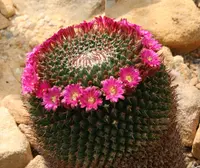
Mammillaria mystax is a small globular cactus from central Mexico, known for its dense white spines and contrasting reddish or magenta flowers. Plants usually grow as solitary spheres or form modest clusters over time. It thrives in arid, rocky habitats in nature, which explains its strong drought tolerance and dislike of prolonged moisture around the roots. This species is generally considered easy to moderate to grow, provided it receives plenty of light, a very free-draining mineral soil, and careful watering. Understanding how to care for Mammillaria mystax mainly comes down to avoiding overwatering and giving it enough light to maintain compact growth and healthy spination.

Care Difficulty
Easy Care

Light Preference
Full Sun

Water Requirements
Low Water

Temperature Preference
Tropical / Frost Sensitive

Hardiness Zone
10–11

Soil Texture
Sandy, Loamy, Rocky

Soil pH
Slightly acidic (6.5–7.0), Neutral (7.0)

Soil Drainage
Well-drained

Fertilization
Minimal (feed rarely)
Scan your plant to receive care tips personalized for your specific plant
Available on iOS and Android
This small desert cactus prefers bright light that mimics open, high-sun habitats.
This species stores water in its stem and needs infrequent but deep watering.
This cactus prefers warm, dry air and handles moderate heat better than cold.
This cactus prefers dry air and usually thrives in typical indoor humidity.
This species needs a very fast-draining, mineral-rich cactus substrate to prevent root rot.
This compact cactus is well suited to container culture.
This cactus needs only light, targeted feeding to stay healthy in containers.
Pruning needs are minimal and focus on hygiene rather than shaping.
Container plants benefit from occasional repotting to refresh the gritty, fast-draining medium.
This species is commonly propagated from offsets and sometimes from seed.
Winter care focuses on keeping this cactus cool, bright, and dry to maintain health and flowering potential.

Plant Health Check
Not sure what's wrong with your plant? Check your plant's health inside the app.
This species develops short central spines that are distinctly hooked at the tips, giving the plant a bristly, clawed look that helps trap leaf litter and small debris around the stem.
In bloom, it produces bright pink to magenta flowers that form a neat ring or crown near the top of the stem, a characteristic floral pattern typical of many Mammillaria species but with particularly vivid coloration in this taxon.
Its small, conical tubercles exude a white, milky latex when damaged, a defensive trait that deters some herbivores and helps seal minor wounds on the plant body.
Flowering often fails when light is too low, winter temperatures are too warm, or the plant is overfed. It needs a bright, cool, dry winter rest and a slight temperature difference between day and night to set buds.
Keep your plants happy and healthy with plant identification, disease detection, and easy care guidance.

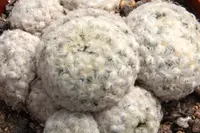
Feather Cactus
Mammillaria plumosa
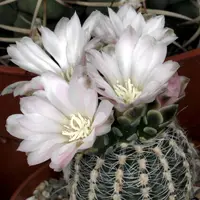
Gymnocalycium bruchii
Gymnocalycium bruchii
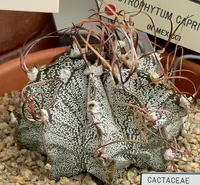
Goat's Horn Cactus
Astrophytum capricorne
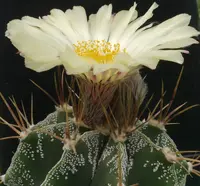
bishop's hat
Astrophytum ornatum
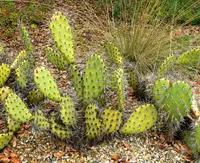
coastal pricklypear
Opuntia littoralis
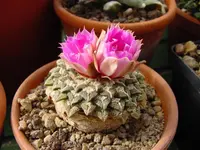
star rock
Ariocarpus kotschoubeyanus
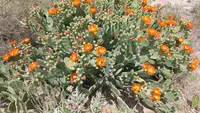
Opuntia megapotamica
Opuntia megapotamica
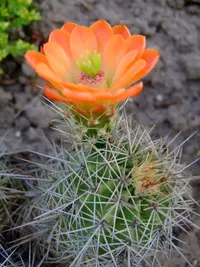
scarlet hedgehog cactus
Echinocereus coccineus