guapilla Care (Hechtia glomerata)

guapilla

About guapilla

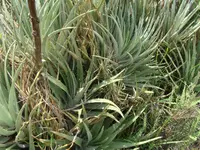
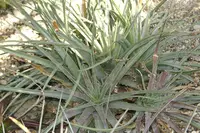
Guapilla, Hechtia glomerata, is a terrestrial bromeliad with stiff, spiny, rosette-forming leaves and a strong architectural look. It often develops clustered rosettes over time, forming dense, sculptural clumps.

This species is native to arid and semi-arid regions of Mexico and the southern United States, where it grows on rocky slopes and dry scrub. Its drought tolerance and slow, deliberate growth make it relatively easy to maintain if overwatering is avoided.

It prefers bright light, very sharp drainage, and infrequent but deep watering, similar to many succulents. Understanding these natural conditions helps explain how to care for guapilla in home or garden settings.

Main Plant Requirements

Care Difficulty

Moderate Care

Light Preference

Full Sun

Water Requirements

Low Water

Temperature Preference

Warm Climate

Hardiness Zone

9–11

Soil Texture

Sandy, Rocky, Loamy

Soil pH

Slightly acidic (6.5–7.0), Neutral (7.0)

Soil Drainage

Well-drained

Fertilization

Minimal (feed rarely)

Get Personalized Care Plan

Scan your plant to receive care tips personalized for your specific plant

Available on iOS and Android

How to Care for the guapilla

Hechtia glomerata thrives in strong light that mimics its native arid habitats.

  • Provide 6–10 hours of direct sun daily outdoors; full sun is suitable in most mild to hot climates if soil drains very well.
  • Accepts light partial shade, especially with morning sun and light afternoon shade in very hot regions to reduce leaf scorch risk.
  • If leaves bleach, crisp, or turn dull brown, reduce afternoon sun; if growth is weak and rosettes stretch, increase direct light exposure, especially in spring and summer.

This xeric bromeliad prefers infrequent, deep watering and thorough drying between soakings.

  • Allow the top 3–6 cm of gritty soil to dry fully before watering; in hot, active growth this may mean every 7–14 days, less often in cool seasons.
  • Water at the soil level until it drains freely, then discard any standing water to avoid root and crown rot in Hechtia glomerata.
  • Reduce watering sharply in winter, watching leaves for signs: shriveling and curling suggest underwatering, while limp, yellowing, or foul-smelling bases suggest overwatering.

This species prefers warm, arid conditions with good airflow and is sensitive to hard frost.

  • Aim for 70–90°F (21–32°C) during active growth; short spikes up to 100°F (38°C) are tolerated if soil drains well and air is dry.
  • Protect plants when temperatures approach 32°F (0°C); brief light frost may burn leaves, and sustained drops below 28°F (-2°C) can kill tissue.
  • In cooler regions, grow in containers that can be moved under cover when nights fall below 40°F (4°C), keeping it drier in winter for greater cold resilience.

This dryland bromeliad handles low humidity well and rarely needs extra moisture indoors.

  • Aim for 25–40% humidity, similar to a dry, heated room, to mimic its native arid habitats.
  • Expect leaf tips to brown and older leaves to crisp if humidity is combined with underwatering or intense heat.
  • Increase humidity only slightly by grouping plants or using a pebble tray, while keeping guapilla foliage dry and airflow strong.

Hechtia glomerata prefers a very fast-draining, mineral, desert-style substrate.

  • Use a gritty cactus mix with added coarse sand and pumice or perlite to create a sharply draining, airy structure.
  • Aim for slightly acidic to neutral pH around 6.0–7.0, which supports balanced nutrient availability and root health.
  • Increase aeration by keeping organic matter low and relying more on mineral ingredients such as lava rock, gravel, or coarse sand.
  • Avoid dense potting soil, peat-heavy mixes, and containers that stay wet, which quickly cause root and crown rot.

This species is well suited to container culture, especially in dry or frost-prone climates.

  • Choose a wide, low, heavy pot so the spiny rosette stays stable and does not tip as it offsets and spreads.
  • Select unglazed clay to promote evaporation from the sides of the pot, which keeps the root zone drier between waterings.
  • Raise the pot slightly on feet or pot risers so drainage water exits quickly and does not linger around the base.

This tough xeric bromeliad needs modest feeding, so focus on light, infrequent applications rather than rich soil amendments when caring for guapilla.

  • Use a diluted balanced liquid fertilizer (around 10-10-10 or 20-20-20 at 1/4 strength) on actively growing plants.
  • Feed once every 4–6 weeks in spring and summer only, skipping applications during heat or drought stress.
  • Avoid fertilizing in late fall and winter, when growth slows and excess nutrients can cause root or leaf burn.
  • Do not add heavy compost; use a very lean, fast-draining mix and rely on light liquid or slow-release feeding.

Hechtia glomerata needs minimal structural pruning, but selective cleanup maintains health and reduces injury from its spines.

  • Best time for pruning is late winter to early spring, before strong new growth begins.
  • Remove dead, dried, or damaged leaves at the base using long-handled, sharp pruners and thick gloves.
  • Thin badly crowded rosettes only if access is needed, as this plant naturally forms dense clumps.
  • Cut spent flower stalks after they dry to redirect energy to vegetative growth and offsets.

This species is usually grown in the ground or in long-term containers, so repotting or transplanting is infrequent and should be done cautiously.

  • Look for roots circling the pot, cracking containers, or very slow growth despite good light as signs it needs more space.
  • Plan transplanting or repotting for late spring, once nights stay consistently above 55°F and new growth starts.
  • Expect to move container plants only every 3–5 years, choosing a pot just 2–5 cm wider with very sharp drainage.
  • Water lightly after moving, keep in bright shade for 5–7 days, and avoid heavy feeding until the plant shows firm, resumed growth.

Hechtia glomerata is most reliably propagated by offsets, with seeds used mainly by advanced growers or breeders.

  • Divide offsets in late spring or early summer when they have several firm leaves and a well-formed root base.
  • Use a sterile, gritty mix; allow any cut or broken surfaces to callus for 2–3 days before potting to limit rot.
  • Provide bright indirect light, warm temperatures around 70–80°F, and just slightly moist soil while new roots establish.
  • For seed, sow on the surface of a free-draining mix, keep lightly moist, and use bottom warmth plus bright filtered light for better germination.

This plant tolerates brief light frosts when established but benefits from simple precautions in colder climates.

  • In ground, it is generally hardy down to about 20–25°F if soil drains very sharply.
  • Apply a thin, gritty mulch around the root zone in late fall, avoiding direct contact with the crown.
  • In colder regions or containers, move plants indoors to a cool, very bright spot before hard freezes.

Care Tips

Rocky mounting

Plant in a wide, heavy container and anchor the root zone with coarse rock or gravel so the rosette cannot wobble or tip as it gains weight and develops a strong, compact form.

Safe handling routine

Always use sturdy gloves and long sleeves when repotting or cleaning, and use long tweezers or tongs to remove debris from between the spiny leaves to avoid injury and leaf damage.

Dry-season rest

In late fall and winter, allow longer dry intervals and avoid forcing new growth so the plant can complete its natural rest period, which supports stronger flushes of leaves and pups in the growing season.

Pup management

Once offsets have their own substantial roots, separate them with a clean, sharp knife and allow cut surfaces to dry for 2–3 days before replanting to reduce rot risk when you grow guapilla in new pots or rocky pockets.

Outdoor storm protection

If grown outdoors in windy or storm-prone areas, position the pot where it is shielded from falling branches and strong gusts, or temporarily move it under a solid overhang to prevent mechanical damage to the stiff, spiny leaves.

Common Pests and Diseases

Mealybugs

This pest feeds in dense leaf rosettes and along the spiny leaf bases, sucking sap and leaving cottony white clusters in protected crevices.

Solution

Remove visible insects with a cotton swab dipped in isopropyl alcohol, then hose the plant thoroughly to dislodge remaining pests; for persistent populations, apply a systemic insecticide labeled for ornamentals or repeated applications of insecticidal soap, ensuring the spray reaches deep into the rosette while allowing the plant to dry quickly afterward.

Scale insects

These insects attach tightly to the stiff leaves and stems, appearing as small, hard bumps that cause yellowing, reduced vigor, and sticky honeydew on nearby surfaces.

Solution

Scrape or rub off individual scale insects with a soft brush or cloth, then treat remaining colonies with horticultural oil or insecticidal soap applied in several rounds at 7–10 day intervals, keeping the plant in bright, airy conditions to speed drying and reduce fungal growth on honeydew.

Spider mites

This pest thrives on sun-exposed, drought-tolerant foliage, causing stippling, dull patches, and fine webbing in the tight leaf rosettes, especially in hot, dry weather.

Solution

Rinse the plant forcefully with water to remove mites and webs, then increase ambient humidity slightly and improve air movement; if needed, use a targeted miticide or insecticidal soap, repeating applications and focusing on the inner rosette and leaf undersides while avoiding waterlogged soil during treatment.

Leaf tip scorch

Symptoms include browning and drying of the leaf tips and margins, often linked to intense reflected heat, low humidity, or high mineral salts in the water or soil rather than simple underwatering.

Solution

Provide strong light but reduce extreme reflected heat (for example from metal or concrete), flush the pot thoroughly with low-mineral water to leach built-up salts, and adjust watering so the medium dries between waterings while still receiving an occasional deep soak; trim only the dead, dry tips if desired, avoiding cutting into healthy tissue.

Fungal leaf spots

This disease appears as small brown or dark spots on leaves, sometimes with yellow halos, developing more readily when water sits in the rosette for long periods and humidity stays high without airflow.

Solution

Remove and discard affected leaves, keep the rosette as dry as possible by watering at the soil level, and increase air circulation around the plant; in humid or crowded conditions, a preventive spray with a broad-spectrum fungicide labeled for ornamental foliage can be used following label rates as part of general Hechtia glomerata care.

Interesting Facts

Extreme dryland specialist

This terrestrial bromeliad is native to arid limestone slopes in northeastern Mexico and south Texas, where it tolerates intense sun, high heat, and long dry periods that would kill most bromeliads.

Limestone rock anchor

In its natural habitat it often grows directly on exposed calcareous rock, using a dense, fibrous root system to anchor into cracks and thin soil films while accessing scarce moisture and minerals.

Spiny, dioecious rosettes

Plants form rigid rosettes with sharply toothed leaves and are dioecious, meaning individual plants are either male or female, so seed production in cultivation requires both sexes.

Botan icon

Did you know?

This species is one of the few bromeliads naturally extending into the United States, occurring in parts of the Rio Grande region, which makes it an important reference taxon for understanding how primarily tropical bromeliads adapted to more temperate, semi-desert conditions.

FAQs about guapilla

This species usually flowers only once at maturity, which can take several years. Lack of strong light, poor drainage, or nutrient-poor, never-refreshed soil also reduce flowering. After blooming, the rosette naturally declines and will not rebloom.

Grow Healthy Plants with Botan Care

Keep your plants happy and healthy with plant identification, disease detection, and easy care guidance.

Botan plant care app — identify plants on mobile

Explore More Plants