Gymnocalycium bruchii Care

Gymnocalycium bruchii

About Gymnocalycium bruchii

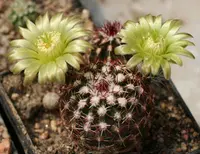
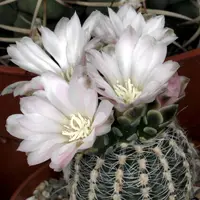
Gymnocalycium bruchii is a small, clustering cactus species known for its compact, globular stems and dense ribs with short, fine spines. Mature plants often form low cushions of many heads, topped in season with relatively large, pale pink to white funnel-shaped flowers.

This species is native to the mountains of central Argentina, where it grows in open, rocky habitats with strong light and excellent drainage. Its slow growth, tolerance of brief neglect, and modest size make it suitable for windowsills and small indoor collections. Understanding how to care for Gymnocalycium bruchii mainly involves providing bright light, a gritty, fast-draining soil mix, and careful, infrequent watering.

Main Plant Requirements

Care Difficulty

Easy Care

Light Preference

Partial Sun

Water Requirements

Low Water

Temperature Preference

Warm Climate

Hardiness Zone

9–11

Soil Texture

Sandy, Rocky, Loamy

Soil pH

Slightly acidic (6.5–7.0), Neutral (7.0)

Soil Drainage

Well-drained

Fertilization

Minimal (feed rarely)

Get Personalized Care Plan

Scan your plant to receive care tips personalized for your specific plant

Available on iOS and Android

How to Care for the Gymnocalycium bruchii

This small cactus prefers bright, indirect light with some direct sun exposure each day.

  • Provide 3–5 hours of gentle morning sun, then bright, filtered light for the rest of the day to support compact, healthy growth in Gymnocalycium bruchii.
  • Tolerates light partial shade, especially in hot climates, but too much shade leads to elongated, pale stems and fewer flowers over time.
  • Protect from intense midday and afternoon summer sun, which can cause yellowing or brown scorch spots; use shade cloth or place near lightly shaded companions.

This species needs sparing, well-timed watering to avoid root rot.

  • Water only when the top 3–5 cm of soil are completely dry, then soak thoroughly so excess drains freely away from the roots.
  • Reduce watering sharply in fall and winter, giving just enough every 4–6 weeks to prevent shriveling as growth slows.
  • Watch for signs: soft, yellowing or blackened tissue indicates overwatering, while firm but strongly wrinkled ribs indicate the plant needs a deeper drink.

This cactus prefers warm conditions but tolerates a modest temperature range when kept dry.

  • Aim for 65–80°F (18–27°C) during active growth, with good air movement to prevent heat buildup around the plant body.
  • It can briefly tolerate down to about 25°F (−4°C) if soil is completely dry, but prolonged frost or wet cold greatly increases rot risk.
  • In very hot spells above 90°F (32°C), provide light shade and avoid watering during the hottest part of the day to reduce stress.

This cactus handles dry household air well and rarely needs humidity adjustments.

Use a very fast-draining, mineral-rich mix to prevent root rot.

  • Choose a gritty substrate with 60–80% mineral content such as pumice, coarse sand, and small gravel over a lean base mix.
  • Aim for a slightly acidic to neutral pH around 6.0–7.0, avoiding strongly alkaline or salty substrates.
  • Improve aeration by using large, sharp particles (2–5 mm) rather than fine sand that can compact and hold water.
  • Avoid peat-heavy or water-retentive mixes, which keep roots wet and are the main cause of decline in Gymnocalycium bruchii.

This species is well suited to container culture.

  • Select a shallow but wide pot to accommodate its shallow root system and clustering habit without leaving unused wet soil beneath the roots.
  • Use a pot material with moderate porosity, such as unglazed clay, to speed evaporation and reduce the risk of water lingering around the root zone.
  • Ensure excess water drains away freely and never allow the container to sit in a cachepot or saucer filled with standing water.

This small cactus benefits from modest feeding during active growth but stays healthy on a lean nutrient supply.

  • Use a diluted balanced cactus fertilizer (around 10-10-10) or low-nitrogen formula at 1/4–1/2 strength in spring–summer.
  • Feed Gymnocalycium bruchii every 4–6 weeks while soil is warm and it is producing new growth.
  • Avoid organic compost or heavy slow-release pellets that hold moisture and may cause root rot.
  • Stop feeding in fall–winter to allow proper dormancy and prevent soft, weak tissue.

Pruning needs are minimal and mainly focused on hygiene rather than reshaping this compact cactus.

  • Best timing is late spring to summer, when the plant is actively growing and healing is faster.
  • Remove only dead, diseased, or badly scarred tissue from Gymnocalycium bruchii using a sterile, sharp knife.
  • Cut away clearly rotting offsets or sections, tracing back to firm, healthy tissue.
  • Allow cut surfaces to dry and callus in a bright, airy place before any watering resumes.

This species grows slowly and prefers slightly tight pots, so repotting is infrequent but still useful over time.

  • Repot every 3–4 years, or when roots circle the pot, drainage slows, or growth becomes noticeably slower.
  • Choose late spring as the best time, using a shallow container with extra drainage holes and gritty cactus mix.
  • Lift the plant carefully, tease out circling roots, and trim only dead or mushy sections with a sterile tool.
  • Let roots dry 1–2 days after repotting Gymnocalycium bruchii, then water lightly to reduce stress and rot risk.

Propagation is usually done from offsets or seed and is straightforward with warm, dry, bright conditions.

  • Detach firm offsets in late spring–summer, cutting close to the base without damaging the parent plant.
  • Allow offsets to callus for several days, then place on barely moist, gritty mix under bright, indirect light.
  • Sow seeds shallowly in a sterile, fine cactus mix kept at 70–80°F with gentle, even moisture.
  • Provide good air movement and avoid overwatering to reduce damping-off and support steady growth of new plants.

Dry, cool winter rest is important for healthy flowering and long-term Gymnocalycium bruchii care.

  • Keep indoor plants at 40–50°F with very bright light and almost completely dry soil.
  • In cold climates, move containers indoors before temperatures drop below freezing, as stems are frost-sensitive.
  • Use a porous, dry mineral mulch around the base to insulate roots while avoiding moisture retention near the stem.
  • Resume light watering only in late winter–early spring when temperatures and light levels increase.

Care Tips

Encourage Offset Clumps

Leave healthy offsets attached until they are at least 1.5–2 cm across, then remove with sterilized tongs and a clean knife so the parent plant forms a dense, natural-looking cushion over several years.

Root Health Checks

Every 2–3 years unpot the plant at the start of the warm season, gently remove old compacted mix, trim dead or blackened roots, and repot in fresh dry substrate to reduce rot risk and improve growth.

Dry Winter Rest

From late fall to early spring keep the plant cool and completely dry, only giving a very light sprinkle of water if the bodies start to visibly wrinkle, which promotes compact growth and abundant spring flowering.

Careful Sun Acclimation

When moving from indoor light or shade to stronger sun, increase exposure over 10–14 days using shade cloth or a bright but indirect spot to prevent bleaching or corky sunburn on the ribs.

Prevent Mealybug Hiding

Inspect closely between ribs and at the base of offsets every few weeks, using a soft brush and alcohol-dipped cotton swab to remove early mealybug colonies, which is a key part of caring for Gymnocalycium bruchii in collections.

Common Pests and Diseases

Red spider mites

This pest often appears in hot, dry indoor or greenhouse conditions and causes pale, rough, and slightly bronzed patches on the cactus skin. Fine webbing may be visible in the ribs and around areoles.

Solution

Increase humidity around the plant slightly without wetting the body, then rinse the cactus gently with lukewarm water to wash off mites and webbing. Follow with applications of insecticidal soap or a labeled miticide every 7–10 days, and improve air circulation and avoid prolonged heat stress to prevent reinfestation.

Mealybugs

These insects hide in ribs and around areoles and offsets, appearing as white, cottony clusters that suck sap and stunt growth. Symptoms include yellowing tissue and sticky honeydew on the pot or bench surface.

Solution

Isolate the plant and remove visible mealybugs with a cotton swab dipped in 70% isopropyl alcohol, taking care to reach crevices between ribs and pups. For heavier infestations, use repeated treatments with insecticidal soap or a systemic insecticide labeled for cacti, and inspect nearby plants regularly as part of overall Gymnocalycium bruchii care instructions.

Scale insects

These insects appear as small, hard, brown or gray bumps on the cactus surface, often aligned along ribs. Symptoms include localized yellowing and slow, uneven growth.

Solution

Gently scrape off individual scales with a wooden stick or cotton swab dipped in alcohol, avoiding damage to the epidermis. For persistent populations, use several rounds of horticultural oil or a systemic insecticide, and reduce plant stress by providing adequate light and allowing the soil to dry fully between waterings.

Corky scab

This disease causes dry, tan to brown, corky patches along the lower ribs or damaged areas of the stem. Symptoms include rough, thickened skin that no longer looks green but usually stays firm.

Solution

Improve growing conditions by avoiding sudden sun exposure changes and mechanical damage, as this disorder is often triggered by stress or past injury. Remove only any soft or spreading areas with sterile tools and keep the plant on a stable watering schedule, allowing soil to dry well to avoid secondary infections.

Basal stem rot

This disease starts at the base where stem meets soil, causing soft, dark, water-soaked tissue and eventual collapse of the plant. Symptoms include a sour odor and loosening of roots from the potting mix.

Solution

At first signs, unpot the plant, trim away all soft tissue with a sterile knife, and dust the healthy cut surface with a dry fungicide or sulfur powder. Re-root any firm, healthy portion in a fresh, very fast-draining mineral mix, keep dry until callused, and adjust watering so the potting medium dries quickly after each irrigation to discourage recurrence.

Interesting Facts

Miniature mountain clusters

This species naturally forms tight, low cushions of many small heads in the Sierras Grandes of central Argentina, allowing it to hug the rocky ground and reduce exposure to strong mountain winds.

Cold-tolerant cactus

Unlike many tropical cacti, it grows in high-elevation habitats and can tolerate brief light frosts in nature, an adaptation linked to its compact body shape and low profile.

Spines as sunshades

Its short, radiating spines help shade the plant body from intense high-altitude sun, reducing surface temperature and water loss while still allowing enough light for photosynthesis.

Botan icon

Did you know?

In habitat, mature clumps of this species can reach several dozen individual heads over time, creating dense, dome-shaped mounds that can completely cover the original central stem and visually merge into a single cushion on the rock surface.

FAQs about Gymnocalycium bruchii

This species grows slowly, typically adding only a few millimeters in diameter per year. Seedlings may take several years to form small clusters. In home collections, it is normal for growth to be modest and compact.

Grow Healthy Plants with Botan Care

Keep your plants happy and healthy with plant identification, disease detection, and easy care guidance.

Botan plant care app — identify plants on mobile

Explore More Plants