


Prevent stem rot
Angle the plant slightly in its pot and keep the root collar just above the soil line so water drains away from the stem base, which greatly reduces the risk of rot as the plant ages.

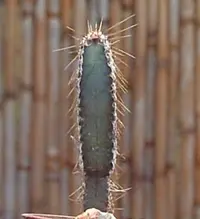
Cereus stenogonus, commonly called narrow-angled cereus, is a columnar cactus known for its tall, upright stems with sharply defined ribs and sparse spines. It often forms multi-stemmed clumps over time, creating a strong vertical accent in containers or outdoor plantings in warm climates.
This species is native to dry regions of South America, where it grows in rocky, well-drained soils and full sun. Its drought tolerance and relatively slow growth make it a manageable choice for beginners who want to learn how to care for narrow-angled cereus.
The plant generally prefers bright light, low to moderate watering, and a gritty, fast-draining cactus mix to stay healthy and avoid root problems.

Care Difficulty
Easy Care

Light Preference
Full Sun

Water Requirements
Low Water

Temperature Preference
Tropical / Frost Sensitive

Hardiness Zone
10–12

Soil Texture
Sandy, Loamy, Rocky

Soil pH
Slightly acidic (6.5–7.0), Neutral (7.0)

Soil Drainage
Well-drained

Fertilization
Minimal (feed rarely)
Scan your plant to receive care tips personalized for your specific plant
Available on iOS and Android
This cactus prefers strong, direct light but benefits from gradual acclimation to full sun outdoors.
This species prefers infrequent, deep watering with thorough drying between soakings.
This cactus is adapted to warm, dry climates and dislikes prolonged cold or frost.
This cactus handles typical indoor humidity well and rarely needs special adjustment.
Cereus stenogonus prefers a very fast-draining, mineral-rich substrate that mimics arid, rocky habitats.
This species is well suited to container growing when the pot supports its tall, columnar form.
Cereus stenogonus benefits from light, controlled feeding during its active warm-season growth.
Pruning Cereus stenogonus is mainly corrective, used to manage size and remove unhealthy tissue.
Container-grown Cereus stenogonus needs infrequent repotting, mainly to relieve root crowding and refresh the substrate.
New Cereus stenogonus plants are most commonly started from stem cuttings under warm, bright, and dry-leaning conditions.
Cereus stenogonus is not frost hardy and needs thoughtful winter care in regions with freezing temperatures.

Plant Health Check
Not sure what's wrong with your plant? Check your plant's health inside the app.
This species forms tall, narrow, many-ribbed columns and produces large, white, strongly scented flowers that open at night, an adaptation to nocturnal pollinators such as moths.
Cereus stenogonus is native to arid and semi-arid regions of Paraguay and neighboring parts of South America, where it grows in rocky, well-drained soils and copes with high light and periodic drought.
Its relatively thin, numerous ribs and paired spines help regulate surface temperature and reduce water loss, allowing the stem tissue to safely expand and contract as water availability changes.
This cactus usually flowers only when mature, well-established, and exposed to strong seasonal light changes. Lack of blooms often comes from immaturity, insufficient light intensity, overly rich soil, or no cool, slightly drier rest period in winter.
Keep your plants happy and healthy with plant identification, disease detection, and easy care guidance.

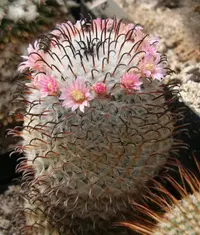
Mammillaria perezdelarosae
Mammillaria perezdelarosae
erect pricklypear
Opuntia stricta
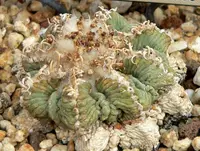
Aztekium ritteri
Aztekium ritteri
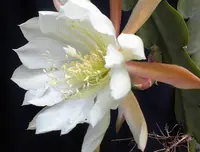
crenate orchid cactus
Disocactus crenatus
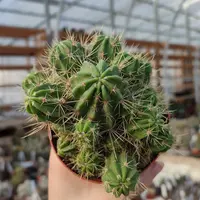
Cactus
Echinocereus maritimus

Armatocereus matucanensis
Armatocereus matucanensis
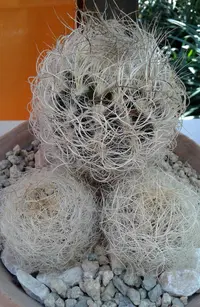
Cactus
Eriosyce senilis

Acanthocereus fosterianus
Acanthocereus fosterianus