Mammillaria sphacelata Care

Mammillaria sphacelata

About Mammillaria sphacelata

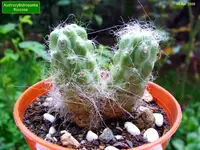
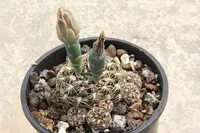
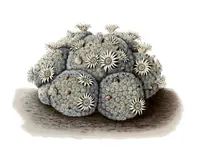
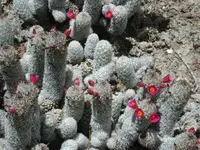
Mammillaria sphacelata is a small, clumping cactus known for its dense covering of white radial spines that give each stem a softly woolly look. It stays compact, forming low cushions of rounded stems over time.

This species is native to arid regions of Mexico, where it grows in rocky, well-drained soils with intense sun and low rainfall. Its slow growth, drought tolerance, and modest size make it suitable for containers and windowsills.

Once its basic needs are understood, it is relatively straightforward to care for Mammillaria sphacelata, provided it receives strong light, a gritty mineral substrate, and careful watering that avoids prolonged moisture around the roots.

Main Plant Requirements

Care Difficulty

Easy Care

Light Preference

Full Sun

Water Requirements

Low Water

Temperature Preference

Warm Climate

Hardiness Zone

9–11

Soil Texture

Sandy, Loamy, Rocky

Soil pH

Slightly acidic (6.5–7.0), Neutral (7.0)

Soil Drainage

Well-drained

Fertilization

Minimal (feed rarely)

Get Personalized Care Plan

Scan your plant to receive care tips personalized for your specific plant

Available on iOS and Android

How to Care for the Mammillaria sphacelata

This cactus needs strong light that mimics its bright, arid native habitat.

  • Provide 6–8 hours of direct sun daily, ideally with gentle morning sun and some protection from harsh midafternoon summer rays.
  • Outdoors, place Mammillaria sphacelata in an open, unshaded spot; in very hot climates, use light shade cloth or filtered light during peak heat to prevent bleaching or scorch.
  • If stems elongate or lean toward the window, light is insufficient; move to a brighter position, especially in late fall and winter.

This species prefers thorough but infrequent watering with fast drainage.

  • Water only when the top 3–5 cm of soil are completely dry; in hot growing season this may be every 7–14 days, but always check the soil first.
  • Use a gritty, fast-draining mix and water until it runs out the drainage holes, then discard excess; soft, yellowing, or blackened tissue indicates overwatering or rot risk.
  • Reduce watering sharply in late fall and winter, giving just enough to prevent shriveling; wrinkled, slightly deflated stems suggest the plant is ready for the next drink.

This cactus favors warm, dry conditions with a pronounced cool, dry rest period.

  • Aim for active growth temperatures of 70–85°F (21–29°C) during the day and 60–70°F (16–21°C) at night in spring and summer.
  • Protect from frost; the plant may tolerate brief dips to 25–30°F (-4 to -1°C) if bone-dry but is safer kept above 35–40°F (2–4°C).
  • In very hot spells above 95°F (35°C), provide some afternoon shade and airflow; in winter, keep cool and dry at 45–55°F (7–13°C) to support healthy flowering next season.

This cactus prefers dry air and does not need increased humidity.

  • Maintain 20–40% humidity, similar to a typical heated indoor room or dry outdoor climate.
  • Tolerates very dry air; avoid using humidifiers or grouping with high-humidity tropical plants.
  • Watch for softness, pale new growth, or fungal spots as signs of excess humidity and improve air circulation.

This species needs a very fast-draining, mineral-rich mix to prevent root rot.

  • Use a gritty, sandy cactus mix with at least 50–70% inorganic material such as pumice, coarse sand, or small gravel.
  • Aim for slightly acidic to neutral pH around 6.0–7.0, avoiding strongly acidic or alkaline substrates.
  • Improve aeration by adding extra perlite or pumice so water runs through in seconds and the mix dries within a few days.
  • Avoid heavy, peat-rich, or compacted soil, which holds water and can quickly damage Mammillaria sphacelata roots.

This compact cactus is very suitable for container growing.

  • Choose a pot only slightly wider than the plant to keep the root zone drying evenly between waterings.
  • Select a shallow container, since roots are relatively shallow and excess depth can trap moisture at the bottom.
  • Use unglazed terracotta to increase evaporation through the pot walls and reduce the risk of prolonged wet soil.

This small desert cactus needs only light feeding to stay healthy in containers.

  • Use a diluted balanced liquid cactus fertilizer (around 10-10-10 or similar) at 1/4–1/2 strength during active growth in spring–summer.
  • Apply every 4–6 weeks when soil is warm and the plant is producing new spines or offsets.
  • Do not feed in fall–winter, as the plant is semi-dormant and excess nutrients can cause weak, elongated growth.
  • Ensure soil is moist, not bone dry, before applying fertilizer to reduce root burn and salt buildup.

Mammillaria sphacelata needs minimal pruning, mainly for health and appearance rather than shaping.

  • Best timing is late spring to summer, when the plant is actively growing and recovers faster.
  • Use clean, sharp scissors or small pruning shears to remove dead, shriveled, or rotting stems and spent flowers if desired.
  • Take off damaged or diseased tissue well back into firm, healthy tissue to prevent the spread of rot.
  • Avoid cutting healthy stems heavily, as this species maintains its natural clumping form without structural pruning.

This cactus grows slowly and prefers slightly tight pots, so repotting is infrequent but sometimes necessary.

  • Repot when roots circle the pot, emerge from drainage holes, or growth slows despite proper light and watering.
  • Aim to repot every 3–4 years in late spring, using a shallow container with excellent drainage and fresh cactus mix.
  • Water lightly a few days before repotting, then let the root ball dry slightly so it handles more easily and roots are less fragile.
  • After repotting, keep Mammillaria sphacelata dry and shaded for 5–7 days, then resume gentle watering to limit transplant shock.

This species is commonly propagated from offsets and seeds under warm, bright, dry conditions.

  • In late spring–summer, gently twist or cut firm offsets from the parent, removing them with a clean knife if needed.
  • Allow offsets to callus for 3–7 days in a dry, airy place before placing on or slightly into very gritty, sterile mix.
  • Keep in bright, indirect light at 70–80°F and mist the soil surface sparingly until roots form, then water more deeply.
  • For seed, sow on the surface of fine cactus mix, keep lightly moist, warm, and bright, and expect germination in several weeks.

Winter care focuses on keeping this cactus cool, very dry, and frost-free.

  • Mammillaria sphacelata tolerates brief dips near 25–28°F if soil is completely dry but is safer above 32°F.
  • Move containers indoors or to a cold greenhouse before hard frost, giving bright light and good airflow.
  • Stop watering in winter, except a very light sip once during long dry spells in heated rooms.
  • Avoid insulating with dense mulch around the stem; instead, keep the potting mix free-draining and the crown dry.

Care Tips

Rotate For Symmetry

Turn the pot about 90° every 2–3 weeks during active growth so the stem column develops evenly and does not lean toward the light source.

Encourage Offsets

Lightly top-dress the soil with coarse pumice or small gravel rather than organic mulch to keep the base dry and clean, which promotes healthy offset formation around the main stem.

Safe Offset Removal

When removing pups for propagation, use long tweezers or folded newspaper to hold the plant, let the offset wound dry for 5–7 days, then plant in barely moist, gritty mix to reduce rot risk while growing Mammillaria sphacelata.

Winter Rest Setup

From late fall, move the plant to a bright, cool, very dry spot and avoid repotting or disturbing it, as a pronounced winter rest improves spring flowering and overall vigor.

Prevent Corking Damage

Handle the stem gently and avoid frequent touching or wiping, since the delicate epidermis easily scars and accelerates corking, which cannot be reversed once it appears.

Common Pests and Diseases

Mealybugs

This pest feeds on sap in the woolly areoles and between clustered stems, causing stunted growth and yellowing of tissue.

Solution

Isolate the plant, then remove visible insects with a cotton swab dipped in 70% isopropyl alcohol, working carefully around the spines and wool. Improve light and air movement, reduce excess humidity, and repeat targeted alcohol treatments or a labeled insecticidal soap every 7–10 days until no new insects appear.

Red spider mites

These insects prefer hot, dry conditions around clustered stems and can cause a dull, dusty look to the epidermis and fine webbing between tubercles.

Solution

Increase humidity slightly around the plant without wetting the stem, then gently rinse the cactus under a lukewarm shower or hose to remove mites. Follow with applications of insecticidal soap or a miticide labeled for indoor succulents, repeating weekly for several cycles while maintaining strong, indirect light and good airflow.

Scale insects

This pest appears as small, hard bumps on stems and among tubercles, drawing sap and leading to weakened, uneven growth.

Solution

Manually scrape or pry off individual scales with a blunt tool or cotton swab dipped in 70% isopropyl alcohol, taking care not to damage the skin. After mechanical removal, apply insecticidal soap or a systemic insecticide suitable for cacti, and monitor closely for several weeks, as part of thorough Mammillaria sphacelata care instructions.

Corky stem spot

This disease causes localized tan to brown, rough, corky patches on older stem areas, often after minor mechanical injury or sun stress.

Solution

Remove any loose, dead tissue with a sterile blade and keep the plant in stable, bright but not burning light. Maintain a dry stem surface, water only when the soil has fully dried, and avoid overhead watering or splashing to prevent secondary fungal infection spreading into healthy tissue.

Fungal stem rot

This disease usually starts at the base or in a damaged area of the stem, leading to soft, discolored, sometimes foul-smelling tissue that spreads through the cluster.

Solution

At the first signs, cut away all affected tissue with a sterile knife, leaving only firm, healthy, green tissue; dust cuts with dry sulfur or a fungicidal powder. Allow the plant or healthy offsets to dry and callus for several days, then replant in a fresh, very free-draining cactus mix and water sparingly while maintaining strong light and good ventilation.

Interesting Facts

High-altitude specialist

This species naturally occurs on rocky slopes and limestone outcrops in central Mexico, often at relatively high elevations where it tolerates strong light, wide temperature swings, and brief periods of drought.

Woolly tubercle axils

Between its conical tubercles, this cactus develops noticeable wool in the axils, which helps protect young flower buds and growing tissue from intense sun and rapid moisture loss.

Ringed flowering pattern

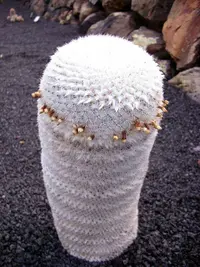
Mature plants typically produce small, pale flowers in a circular ring around the upper part of the stem, a flowering pattern characteristic of many Mammillaria species and helpful for identifying this taxon.

FAQs about Mammillaria sphacelata

This species grows slowly, usually adding only a few millimeters in height and width each year. Growth is most noticeable in spring and summer, then almost stops in winter when the plant rests and conserves energy.

Grow Healthy Plants with Botan Care

Keep your plants happy and healthy with plant identification, disease detection, and easy care guidance.


Botan plant care app — identify plants on mobile

Explore More Plants