Gymnocalycium calochlorum Care

Gymnocalycium calochlorum

About Gymnocalycium calochlorum

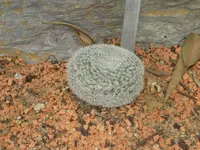
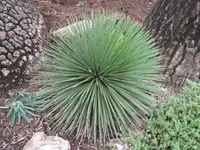
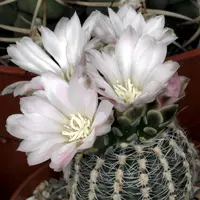
Gymnocalycium calochlorum is a small globular cactus valued for its compact size and distinctive ribbed body. It typically forms a single rounded stem with short, curved spines. In maturity it produces showy funnel-shaped flowers, usually white to pale pink, that open at the top of the plant. This makes it popular for windowsills and small indoor collections.

The species is native to Argentina, where it grows in rocky, well-drained habitats with strong light and occasional rainfall. Its slow growth and drought tolerance make it relatively straightforward to manage once the basics of how to care for Gymnocalycium calochlorum are understood. It prefers bright, indirect light, infrequent watering, and a gritty, fast-draining soil mix to stay healthy over time.

Main Plant Requirements

Care Difficulty

Moderate Care

Light Preference

Partial Sun

Water Requirements

Low Water

Temperature Preference

Warm Climate

Hardiness Zone

9–11

Soil Texture

Sandy, Loamy, Rocky

Soil pH

Slightly acidic (6.5–7.0), Neutral (7.0)

Soil Drainage

Well-drained

Fertilization

Minimal (feed rarely)

Get Personalized Care Plan

Scan your plant to receive care tips personalized for your specific plant

Available on iOS and Android

How to Care for the Gymnocalycium calochlorum

This cactus prefers bright, indirect light with limited direct sun exposure.

  • Provide 3–5 hours of gentle morning sun with bright, filtered light the rest of the day to prevent scorching of Gymnocalycium calochlorum.
  • Offer light afternoon shade outdoors, especially in hot regions, since intense midday sun can cause yellowing or brown, corky patches on the skin.
  • In winter, when days are shorter, move the plant to the brightest spot available to maintain compact growth and avoid stretching.

Watering should be infrequent and based on soil dryness, not on a fixed calendar.

  • Allow the top 3–5 cm of soil to dry completely before watering, then soak thoroughly so excess drains away from the roots.
  • During active growth in spring and summer, expect to water every 10–21 days depending on heat, pot size, and air movement.
  • In autumn and winter, reduce watering sharply; wrinkling ribs indicate mild thirst, while soft, translucent tissue or a sour smell suggests overwatering.

Stable warmth with brief tolerance of higher temperatures suits this species best.

  • Aim for 70–85°F (21–29°C) in the growing season, with a cooler, drier rest period around 55–65°F (13–18°C) to support flower bud formation.
  • Protect the plant from frost; it is damaged below about 32°F (0°C) and should ideally stay above 40°F (4°C).
  • Short heat waves up to 95–100°F (35–38°C) are tolerated if there is light shade and good airflow, but avoid stagnant, hot, humid conditions.

This cactus handles dry indoor air well and humidity is rarely a concern.

This cactus needs a very fast-draining, mineral-rich substrate to prevent root rot.

  • Use a gritty mix such as 50–70% inorganic material (pumice, coarse sand, or small gravel) with 30–50% cactus potting mix.
  • Ensure water runs through freely within seconds; the mix should feel loose, not compact or peaty.
  • Aim for slightly acidic to neutral pH around 6.0–7.0, avoiding strongly alkaline or salty substrates.
  • For containers without much depth, increase the proportion of coarse grit to keep the root zone well aerated.

This species is well suited to container growing when drainage and root space are carefully managed.

  • Choose a pot only 2–3 cm wider than the plant body so the shallow roots can dry quickly between waterings.
  • Select unglazed terracotta if extra evaporation is needed in humid or cool climates to reduce moisture retention.
  • Place a stable, heavy pot or top-dress with gravel to keep the rounded plant from tipping in exposed outdoor locations.

This small cactus benefits from light feeding during its active growing season for steady, compact growth.

  • Use a balanced liquid cactus fertilizer (low to moderate NPK) diluted to 1/4–1/2 strength.
  • Feed Gymnocalycium calochlorum every 4–6 weeks from mid-spring to late summer only.
  • Avoid compost-rich mixes; salt buildup harms roots in small containers.
  • Stop feeding in fall and winter to support a dry, cool rest period.

Pruning needs are minimal and focus on health and safety rather than shaping.

  • Perform any cleanup in spring or early summer, when growth is most active.
  • Remove only dead, diseased, or badly scarred tissue using clean, sharp scissors or a knife.
  • Detach dried flowers or rotting offsets at the base to reduce infection risk.
  • Minimal intervention keeps the natural rounded form and supports normal flowering.

This species prefers to stay slightly root-bound, so repotting is infrequent but sometimes necessary.

  • Check for roots circling the pot, very slow growth, or soil that dries almost instantly as signs to repot.
  • Plan to repot every 3–4 years in late spring, once nights are consistently warm.
  • Use a shallow pot with fresh, very gritty cactus mix and handle the root ball gently.
  • Let roots air-dry 1–2 days if damaged, then pot up and keep soil barely moist for 1–2 weeks.

Propagation is usually done from seeds, though some plants also form offsets that can be divided.

  • Sow fresh seeds in late spring on a sterile, fine, well-drained cactus mix.
  • Maintain 70–80°F, bright but indirect light, and evenly barely moist conditions for germination.
  • For offsets, gently twist or cut them off with a sterile blade, keeping a small base attached.
  • Allow cut surfaces to callus for several days, then place on slightly moist mix until rooted.

This cactus needs a cool, dry winter rest to stay compact and flower well the following season.

  • Keep winter temperatures around 45–55°F; brief dips near 40°F are tolerated if soil is completely dry.
  • Move containers indoors in cold climates and place in a bright, airy spot.
  • Stop watering except for a very light sip once during winter if the body shrivels strongly.
  • Avoid humidity and cold drafts, which increase the risk of rot at low temperatures.

Care Tips

Controlled root space

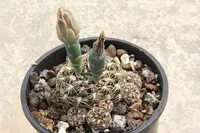
Use a shallow, relatively tight pot rather than an oversized one to keep the root zone compact and reduce the risk of soil staying wet too long around the taproot.

Safe handling routine

Use folded newspaper, silicone-tipped tongs, or thick foam pieces to grip the body when repotting or inspecting, so you can examine roots and the neck of the plant without damaging spines or tissue.

Mineral top dressing

Apply a 0.5–1 cm layer of coarse gravel or pumice on the soil surface to stabilize the plant, keep the stem base dry, and reduce algae or fungus gnat issues.

Spring growth check

At the start of the growing season, photograph the plant from above and compare every 4–6 weeks to confirm the rib sections are swelling evenly, which helps detect early problems with roots or watering when growing Gymnocalycium calochlorum.

Targeted bud protection

When flower buds appear, move the plant away from strong overhead rain or irrigation and provide stable air movement so buds do not rot at the crown from trapped moisture.

Common Pests and Diseases

Red spider mites

This pest appears in hot, dry conditions and causes faded, rough patches and fine webbing on the cactus ribs and areoles. Symptoms include slow growth and a dull, grayish surface to the epidermis.

Solution

Isolate the plant, then rinse the cactus gently with a strong but controlled stream of water to remove mites and webbing, keeping the soil dry and protected. Increase humidity slightly, improve air movement, and treat the plant with several applications of insecticidal soap or a neem oil solution, focusing on the areoles and rib crevices.

Mealybugs

These insects hide in the cactus ribs and woolly areoles, forming white cottony clumps and sucking sap, which leads to distortion and weak growth. This pest often also infests the root zone, causing unexplained decline even when the top looks mostly healthy.

Solution

Inspect the plant closely, then dab visible bugs with cotton swabs dipped in 70% isopropyl alcohol and repeat weekly until no new insects appear. If decline continues, unpot the cactus, wash soil from the roots, remove any root mealybugs, then repot in fresh, well-draining cactus mix and use a systemic insecticide labeled for cacti if the infestation is heavy.

Scale insects

These insects appear as small, hard, brown or tan bumps along the ribs and near the base, causing yellow spots and overall weakening of the plant. This pest adheres firmly to the cuticle and can persist unnoticed on older, woody tissue near the soil line.

Solution

Scrape or pry off individual scales gently with a wooden toothpick or soft brush while supporting the plant, then wipe affected areas with a cloth lightly moistened with 70% isopropyl alcohol. Follow up with 2–3 treatments of horticultural oil or neem oil at 7–10 day intervals, and avoid overfertilizing, which can encourage reinfestation.

Fusarium stem rot

This disease causes sunken, brown to reddish internal tissue, often starting at a wound or near the base, with the outer skin sometimes staying firm at first. Symptoms include rapid collapse of affected ribs, especially if the plant has been kept cool and slightly damp.

Solution

Remove the cactus from its pot and cut away all discolored or soft tissue with a sterile knife until only firm, healthy tissue remains, then allow the wound to dry and callus for several days in a warm, dry place. Discard the old soil, sterilize or replace the pot, and replant in a fresh, gritty mix; adjust watering so the soil dries fully between waterings to reduce recurrence as part of careful Gymnocalycium calochlorum care.

Corking from sun stress

Symptoms include brown, rough, bark-like patches that form on exposed ribs, often after a sudden move from shade to intense sun. This condition is mostly cosmetic but can predispose the plant to infections if cracking occurs.

Solution

Move the plant to a location with bright but filtered light and increase sun exposure gradually over 1–2 weeks to prevent further damage. Maintain stable watering and avoid additional stress; for severely exposed plants, use a shade cloth (30–40%) during the brightest hours to protect new tissue while it forms.

Interesting Facts

Distinct pale rib edges

This species often shows contrasting pale green to almost whitish rib edges against a darker body, a feature that helps distinguish it from many other Gymnocalycium species with more uniformly colored stems.

Short, appressed spines

Its spines are relatively short, thin, and pressed close to the body rather than strongly outward-pointing, which gives the plant a neater, more compact profile compared with many related cacti.

Soft-colored spring flowers

It typically produces soft pink to pinkish-white funnel-shaped flowers from the crown in late spring to early summer, rather than the bright, strongly saturated colors common in several other ornamental Gymnocalycium species.

FAQs about Gymnocalycium calochlorum

This cactus usually blooms in late spring to summer, producing funnel-shaped flowers from the areoles. Under stable, bright conditions it often flowers once per year, though very healthy specimens may produce several flushes in one warm season.

Grow Healthy Plants with Botan Care

Keep your plants happy and healthy with plant identification, disease detection, and easy care guidance.

Botan plant care app — identify plants on mobile

Explore More Plants