Tephrocactus molinensis Care

Tephrocactus molinensis

About Tephrocactus molinensis

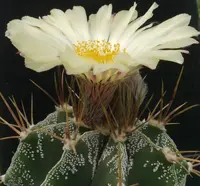
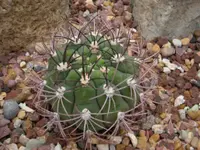
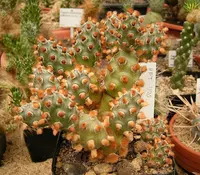
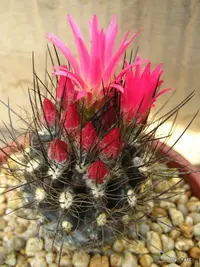
Tephrocactus molinensis is a small, segmented cactus from arid regions of Argentina. It forms loose clumps of rounded, jointed pads that can detach easily. Spines are often sparse or fine, giving it a more delicate look than many desert cacti.

This species is adapted to strong light, sharp drainage, and long dry periods, which makes it well suited to pot culture in bright indoor or greenhouse conditions. For those learning how to care for Tephrocactus molinensis, its slow growth and sensitivity to excess moisture are the main challenges to watch.

Given the right gritty soil mix and careful watering, it can be a long-lived, architectural specimen in a compact collection.

Main Plant Requirements

Care Difficulty

Moderate Care

Light Preference

Full Sun

Water Requirements

Low Water

Temperature Preference

Warm Climate

Hardiness Zone

9–11

Soil Texture

Sandy, Loamy, Rocky

Soil pH

Slightly acidic (6.5–7.0), Neutral (7.0)

Soil Drainage

Well-drained

Fertilization

Minimal (feed rarely)

Get Personalized Care Plan

Scan your plant to receive care tips personalized for your specific plant

Available on iOS and Android

How to Care for the Tephrocactus molinensis

This species prefers strong light with some protection from harsh, prolonged afternoon sun.

  • Provide 6–8 hours of direct sun daily, ideally with morning sun and light afternoon shade, especially in hot, arid climates.
  • In very intense sun, use filtered light or a south- or east-facing exposure to prevent epidermis yellowing or brown scorch patches.
  • If stems elongate, lean, or lose their compact shape, increase light gradually over 1–2 weeks to avoid sudden sunburn on Tephrocactus molinensis.

Watering should mimic an arid habitat with clear wet–dry cycles and excellent drainage.

  • Use a very fast-draining mineral-rich mix; water only when the top 3–5 cm of soil are completely dry and the pot feels light.
  • In spring and summer, water deeply, then let excess drain fully; in autumn reduce frequency, and in winter keep almost dry except for occasional light sips in very dry conditions.
  • Watch for overwatering signs such as soft, yellowing, or translucent segments, and underwatering signs like wrinkling that does not improve a few days after watering.

Stable warm to hot conditions support healthy growth, while cold and frost can cause serious damage.

  • Aim for 70–90°F (21–32°C) during active growth, with good airflow to prevent overheating in full sun positions.
  • Protect from frost; short dips to 32°F (0°C) may be survived if completely dry, but safer minimums are 40–45°F (4–7°C).
  • In winter, a cool, dry rest around 45–60°F (7–16°C) helps Tephrocactus molinensis stay compact, while avoiding humid cold that encourages rot.

This cactus prefers dry air and does not need extra humidity.

  • Aim for 20–40% humidity, similar to a dry indoor room or arid outdoor climate.
  • It tolerates very dry air, but persistent humidity above 60% increases rot risk, especially in cool conditions.
  • Soft, yellowing stem segments or black spots near the base often indicate excess humidity combined with poor air movement.

Use a very fast-draining, mineral-heavy mix that dries quickly between waterings.

  • Choose a sandy, gritty texture with minimal organic matter to mimic rocky desert soil and prevent water retention.
  • Mix roughly 70–80% mineral components (pumice, coarse sand, grit, fine gravel) with 20–30% cactus potting mix for structure and nutrition.
  • Keep pH slightly acidic to neutral (pH 6.0–7.0); most commercial cactus mixes already fall in this range.
  • Avoid peat-heavy or compact mixes that stay wet, and add extra pumice or coarse sand to improve aeration for Tephrocactus molinensis.

This species is well suited to container growing when the pot is chosen to keep roots dry and stable.

  • Select a heavy, wide pot to reduce tipping, as stacked segments can make the plant top-heavy in wind or after watering.
  • Use a pot that is only slightly wider than the root ball to limit excess wet substrate around the roots.
  • Choose unglazed terracotta over plastic if faster evaporation is needed in cooler or more humid climates.

This cactus grows well with minimal feeding, but light nutrition supports steady growth in containers.

  • During spring–summer, apply a diluted cactus fertilizer or low-nitrogen balanced NPK at 1/4–1/2 strength every 6–8 weeks.
  • Use liquid or very light slow-release products; avoid rich compost that stays wet.
  • Skip feeding in late fall–winter to respect its dry rest period.
  • Flush the pot with plain water occasionally to prevent salt buildup around roots.

Tephrocactus molinensis needs only light pruning to maintain health and a compact outline.

  • Best timing is late winter to early spring, before active growth.
  • Use clean, sharp scissors or pruning snips to remove dead, shriveled, or diseased joints.
  • Thin badly crowded segments to improve airflow and reduce rot risk while keeping the plant’s natural shape.
  • Allow cut surfaces to dry and callus in a bright, airy spot before getting wet again.

Repotting is infrequent, since this cactus prefers a snug pot and is sensitive to root disturbance.

  • Check for roots circling drainage holes, very slow growth, or soil that will not re-wet; these indicate a need to repot.
  • Plan repotting in late spring, every 3–5 years, when Tephrocactus molinensis is entering active growth.
  • Use a shallow container with ample drainage and a very gritty cactus mix to limit moisture around roots.
  • Gently loosen the root ball, remove old compacted soil, let any damaged roots dry, then water lightly after 5–7 days.

Propagation of this species is usually done from detached stem segments rather than seed in home collections.

  • Take firm, healthy segments in late spring–summer using clean, sharp scissors or a knife.
  • Let cut pieces dry and callus for 7–14 days in a shaded, airy place before planting.
  • Set segments upright in a barely moist, gritty cactus mix and keep at 70–80°F with bright, indirect light.
  • Water sparingly only after new roots form, then transition slowly to normal Tephrocactus molinensis care instructions.

Cool, dry winter conditions are important for this cactus and help prevent rot.

  • In regions below 30°F, grow in containers and move indoors to a bright, cool room for winter.
  • Outdoors in mild climates, keep soil almost dry and ensure excellent drainage around the root zone.
  • Avoid overhead watering and cold, wet conditions on stems, which increase fungal and bacterial problems.

Care Tips

Segment handling

Always handle the plant with silicone-tipped tongs or thick paper wraps when repotting or inspecting, since segments detach easily and can be replanted if they break off cleanly.

Root zone inspection

Every 1–2 years, unpot the plant at the start of its active season and gently remove soil from the root ball to check for rot or dead roots, trimming any mushy tissue before replanting in fresh dry mix.

Winter rest management

In cooler regions, keep the plant in a bright, very dry spot over winter and allow a slight seasonal shrinkage of the segments, which helps harden growth and improves flowering potential.

Mineral top-dressing

Apply a 0.5–1 cm layer of coarse gravel or pumice on the soil surface to protect the neck of the plant from staying damp and to stabilize the shallow root system in the pot.

Sun acclimation routine

When moving plants from indoors to high outdoor light, increase exposure over 10–14 days by starting with 1–2 hours of morning sun and gradually extending time, which is essential for safely growing Tephrocactus molinensis without sunburn.

Common Pests and Diseases

Mealybugs

This pest hides in areole wool and between stem segments, sucking sap and causing slow, uneven growth and yellowing spots. Symptoms include cottony white clusters that trap dust and debris on the pads and joints.

Solution

Isolate the plant, then dab visible insects with cotton swabs dipped in 70% isopropyl alcohol and repeat weekly until no new clusters appear. Improve light and airflow, and if the infestation is larger, use a ready-to-use insecticidal soap or neem oil spray directed into the areoles, keeping the substrate dry afterward.

Red spider mites

These insects favor dry, hot conditions and feed on the surface cells of the stems, creating a dull, dusty appearance and fine webbing between segments. Symptoms include rusty speckling and loss of the natural blue-green tone of the pads.

Solution

Rinse the plant thoroughly with a firm stream of water to remove mites and webs, keeping the soil surface covered to avoid overwatering. Follow with 2–3 applications of insecticidal soap or a miticide labeled for cacti at 5–7 day intervals, and slightly raise humidity and improve air movement to make conditions less favorable for mites.

Scale insects

This pest appears as small, hard, brown or gray bumps on stems and joints, often blending with the cactus surface. Symptoms include localized yellowing, sticky honeydew, and sometimes sooty mold growth on nearby surfaces.

Solution

Manually remove scales with a soft brush or toothpick, then wipe affected areas with a cloth lightly moistened with 70% isopropyl alcohol. For persistent issues, apply horticultural oil in a thin, even layer during cooler hours, and monitor new growth closely as part of ongoing Tephrocactus molinensis care instructions.

Corky scab lesions

This disease is a physiological and sometimes fungal-related disorder where segments develop rough, brown, corky patches, especially on areas exposed to repeated splashing or minor injury. Symptoms include firm, dry, bark-like spots that do not feel soft or wet.

Solution

Remove and discard only heavily disfigured or cracked segments, then adjust watering so stems remain dry above the soil and avoid overhead watering. Improve ventilation and provide bright, stable light to reduce stress; use a copper-based fungicide only if lesions spread rapidly or appear after prolonged wet, cool conditions.

Soft bacterial rot

This disease starts in a wounded or overly wet area of a segment, turning tissue soft, translucent, and foul-smelling. Symptoms include rapid collapse of affected pads, often beginning near a scar or at the soil line in poorly drained mix.

Solution

Immediately cut away all affected tissue with a sterile blade, removing several millimeters into firm, healthy tissue, and discard the rotted parts in the trash. Allow wounds to dry and callus in a warm, airy place for several days before replanting in a very gritty, fast-draining cactus mix, and reduce watering frequency to prevent recurrence.

Interesting Facts

Segment-shedding defense

This cactus forms small, bead-like stem segments that detach very easily, a trait that helps the plant avoid damage from herbivores while also allowing segments to root and form new plants under suitable conditions.

High-altitude specialist

It is native to arid, high-altitude regions of northwestern Argentina, where it endures intense sunlight, large day–night temperature swings, and very poor, stony soils adapted to rapid drainage.

Unusual seed covering

The seeds have a prominent, corky outer tissue called an aril that aids in water absorption and possibly helps the seeds lodge in rock crevices, improving germination chances in its harsh natural habitat.

FAQs about Tephrocactus molinensis

This species grows slowly, often adding only 1–3 new segments per year under good conditions. Growth is faster in warm, bright months and almost stops in winter dormancy, which is normal for this cactus.

Grow Healthy Plants with Botan Care

Keep your plants happy and healthy with plant identification, disease detection, and easy care guidance.

Botan plant care app — identify plants on mobile

Explore More Plants