Santa Catalina barrel cactus Care (Ferocactus diguetii)

Santa Catalina barrel cactus

About Santa Catalina barrel cactus

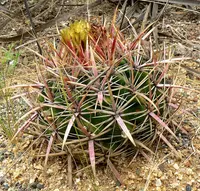
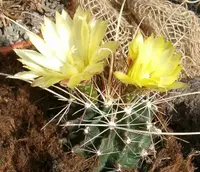
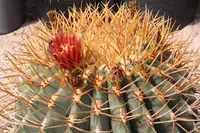
The Santa Catalina barrel cactus, Ferocactus diguetii, is a large, slow-growing desert cactus known for its tall cylindrical stem and heavy rings of stout spines. Mature plants can form impressive solitary columns that stand out in arid landscapes.

This species is native to Baja California and nearby islands, where it grows in rocky, well-drained soils under strong sun and low rainfall. Its thick, ribbed stem stores water, which makes it drought tolerant but sensitive to excess moisture and poor drainage.

Due to its slow growth and strong spines, it needs a stable sunny spot, minimal watering, and a gritty soil mix. Those factors shape how to care for Santa Catalina barrel cactus in home collections.

Main Plant Requirements

Care Difficulty

Moderate Care

Light Preference

Full Sun

Water Requirements

Low Water

Temperature Preference

Tropical / Frost Sensitive

Hardiness Zone

10–12

Soil Texture

Sandy, Rocky, Loamy

Soil pH

Slightly acidic (6.5–7.0), Neutral (7.0)

Soil Drainage

Well-drained

Fertilization

Minimal (feed rarely)

Get Personalized Care Plan

Scan your plant to receive care tips personalized for your specific plant

Available on iOS and Android

How to Care for the Santa Catalina barrel cactus

Ferocactus diguetii thrives in strong sun typical of arid desert habitats.

  • Provide 6–10 hours of direct sun daily; full sun is ideal in the ground, especially morning to early afternoon light.
  • In very hot regions, offer light afternoon shade or filtered sun to prevent scorching of new growth on Santa Catalina barrel cactus.
  • Outdoors, avoid permanent deep shade; plants grown in low light become pale, elongated, and more susceptible to rot, especially in cooler seasons.

This desert cactus needs infrequent but deep watering that allows the soil to dry thoroughly between soakings.

  • Water only when the top 5–8 cm of soil are completely dry; in hot, dry weather this may mean deep watering every 2–4 weeks outdoors.
  • Use very fast-draining, gritty soil and raised beds or mounds so excess water runs off quickly and roots do not sit in puddles.
  • Reduce or withhold water in cool winter months; prune watering if ribs stay swollen, and watch for yellowing, softness, or a sour smell as signs of overwatering.

This species prefers hot, arid conditions but needs protection from frost and prolonged cold.

  • Aim for 75–95°F (24–35°C) during active growth; brief spikes to 100–105°F (38–41°C) are tolerated if soil is dry and air moves freely.
  • Avoid frost; the cactus is usually damaged around 28–30°F (-2 to -1°C) and should be protected or moved before hard freezes.
  • In mild-winter climates, cooler, drier rest at 50–60°F (10–16°C) helps maintain compact growth and reduces cold-related root problems.

Humidity plays almost no role in Ferocactus diguetii health compared with light and watering.

This cactus needs a very fast-draining, mineral-rich substrate to prevent root rot.

  • Use a gritty mix such as 50–70% inorganic material (pumice, coarse sand, or small gravel) blended with 30–50% cactus potting mix.
  • Aim for a loose, open texture that does not compact, so air reaches the roots easily after watering.
  • Keep pH slightly acidic to neutral, around 6.0–7.0, avoiding strongly alkaline mixes that can limit nutrient uptake.
  • Avoid peat-heavy, moisture-retentive, or clayey substrates that stay wet longer than 1–2 days after a thorough watering.

This species is suitable for container growing when the pot and medium prevent prolonged wetness and tipping.

  • Choose a wide, heavy pot (unglazed clay or ceramic) to counterbalance the top-heavy barrel and reduce risk of falling in wind.
  • Select a container slightly wider than the root system but not excessively deep, so the mix dries evenly between waterings.
  • Elevate the pot on feet or a grid to keep drainage holes fully open and ensure rapid runoff from saucers or trays.

This desert cactus benefits from modest feeding in containers, while in-ground plants in lean, gritty soil usually need very little fertilizer.

  • Use a balanced cactus fertilizer or low-nitrogen liquid feed diluted to 25–50% strength.
  • Apply once every 4–6 weeks during the warm growing season only, when the plant is actively growing.
  • Avoid feeding in winter dormancy to prevent soft, frost‑tender growth.
  • For Santa Catalina barrel cactus in pots, a sparing dose of slow-release cactus food in spring can support growth.

Ferocactus diguetii needs almost no pruning beyond basic sanitation and safety management.

  • Best time for any work is late spring to summer, when the plant is actively growing and wounds dry quickly.
  • Remove only dead, rotting, or mechanically damaged tissue using long-handled, sharp, disinfected tools.
  • Avoid shaping cuts; this cactus maintains its natural form and heavy pruning can scar the stem permanently.
  • Carefully trim spent flower remains only if they trap moisture or pests, taking care not to injure ribs or spines.

This large, taprooted cactus dislikes frequent disturbance, so repotting or transplanting should be infrequent and deliberate.

  • Look for roots circling the pot, pushing through drainage holes, or very slow growth in otherwise good conditions.
  • Plan repotting or transplanting for late spring to early summer, about every 4–6 years for container-grown plants.
  • Use a heavy, fast-draining cactus mix in a wide, shallow container and avoid upsizing by more than 2–5 cm in diameter.
  • Keep roots as intact as possible, allow any damaged areas to dry, then water lightly after 7–10 days to limit rot and stress.

This species is usually propagated from seed, as offsets are uncommon and vegetative methods are rarely practical for home growers.

  • Sow fresh seed in late spring to early summer in a sterile, very gritty cactus mix.
  • Provide bright, indirect light, gentle bottom warmth around 75–85°F, and consistently lightly moist (not wet) substrate for germination.
  • Cover seed lightly with fine sand or grit to anchor them, then ventilate regularly to reduce fungal problems.
  • Once seedlings show firm roots and several ribs, gradually increase light and reduce moisture to harden them off.

Ferocactus diguetii is not frost hardy and needs careful winter management, especially in cool or wet climates.

  • Keep outdoor plants above 35–40°F; extended frost can scar or kill tissue.
  • Move container plants indoors or to a bright, unheated but frost-free space with good airflow for winter.
  • Maintain the soil almost completely dry; water only enough to prevent severe shrinking of the stem.
  • In mild climates, use a gravel mulch and overhead rain cover to keep the root zone dry during cold, wet periods.

Care Tips

Root zone spacing

When planting in the ground, leave at least 45–60 cm of open, well-drained space around the cactus so the shallow roots can spread without competition from turf or groundcovers that trap excess moisture.

Rock mulch use

Apply a 3–5 cm layer of coarse mineral mulch such as crushed granite or lava rock around the base to keep the stem dry at soil level, reduce splash during rare rains, and stabilize soil temperature without increasing humidity.

Container weight management

If grown in a pot, choose a wide, heavy container (unglazed clay or concrete) and add a layer of coarse gravel at the bottom to reduce tipping risk as the plant becomes tall and top-heavy.

Sun acclimation steps

When moving a nursery plant into harsher sun, increase direct exposure by 30–60 minutes every few days over 2–3 weeks to prevent epidermal scorch and allow the tissue to thicken gradually.

Winter rain protection

In climates with cool, wet winters, place a clear, sloped cover or cold frame over outdoor plants so the body and crown stay dry while still receiving full light, which is a key part of Ferocactus diguetii care.

Common Pests and Diseases

Scale insects

This pest attaches tightly to ribs and areoles, sucking sap and causing yellowing, dull patches, and weak growth. Symptoms include sticky honeydew on the skin and sometimes sooty mold on heavily infested plants.

Solution

Remove adults by gently scraping with a soft brush or cotton swab dipped in 70% isopropyl alcohol, then rinse the plant with a firm stream of water and let it dry in bright, airy conditions. For persistent infestations, use a systemic insecticide labeled for cacti and space waterings to keep the substrate dryish, which discourages scale buildup on Ferocactus diguetii.

Mealybugs

These insects hide in areoles and between ribs, forming white cottony clusters and weakening the cactus by feeding on sap. Symptoms include slowed growth and occasional deformities in new tissue.

Solution

Isolate the plant, then dab visible colonies with cotton swabs soaked in 70% isopropyl alcohol and repeat weekly until no new insects appear. Increase light and airflow, avoid excess nitrogen fertilizer, and if the problem continues, apply a low-toxicity systemic product suitable for succulents as part of Ferocactus diguetii plant care.

Spider mites

This pest thrives in hot, very dry air, causing fine speckling, bronzing, and a rough, scarred look on the epidermis of the cactus. Symptoms include fine webbing in grooves between ribs when populations are high.

Solution

Spray the plant thoroughly with a strong jet of water to dislodge mites, then improve air movement and avoid extremely stagnant, dusty conditions. For ongoing issues, use a miticide or horticultural oil labeled for cacti, applied in the cool part of the day and only when the plant is dry and shaded until the surface has dried.

Fungal stem spots

This disease appears as small brown or black lesions on the stem, often starting at minor injury sites or areas of prolonged moisture contact. Symptoms include slightly sunken or corky patches that can slowly expand in humid or poorly ventilated conditions.

Solution

Cut out small, active lesions with a sterile blade if feasible, allow the wound to dry, and keep the cactus in very bright, dry conditions with good airflow. Avoid overhead watering, keep the stem dry, and if new spots appear, apply a sulfur-based or copper-based fungicide labeled for cacti, following label rates carefully.

Bacterial soft rot

This disease causes localized soft, water-soaked areas on the stem that can turn dark and collapse, often starting after mechanical damage or prolonged wetness. Symptoms include foul odor and rapid tissue breakdown in severe cases.

Solution

At the first sign, remove all affected tissue with a sterile knife, cutting back into firm, healthy flesh, then let the plant dry in a warm, airy place until a hard callus forms. Disinfect tools between cuts, avoid water on the wound, and adjust care to ensure very fast-draining soil, reduced watering frequency, and strong light to minimize future infections.

Interesting Facts

Gulf of California endemic

This barrel cactus occurs naturally only on islands and coastal areas of the Gulf of California in northwestern Mexico, giving it a very restricted native range compared with many other Ferocactus species.

Massive columnar barrels

In habitat it can form very tall, columnar barrels that may branch from the base into clumps, making it one of the larger and more imposing species within its genus.

Island pollination strategy

Populations on Gulf islands rely heavily on native bees and other insect visitors for pollination, with bright flowers produced near the stem apex that are positioned to maximize visibility and access in sparse desert environments.

Botan icon

Did you know?

This species has evolved in some of the most arid island and coastal habitats of the Gulf of California, where its thick, heavily ribbed stem and dense spines create a living water reservoir that allows adult plants to survive multi‑year droughts that kill many surrounding shrubs and annuals.

FAQs about Santa Catalina barrel cactus

This species grows slowly, often adding only a few cm in height and girth per year. Growth is fastest in warm conditions with strong light, excellent drainage, and light feeding during the active season.

Grow Healthy Plants with Botan Care

Keep your plants happy and healthy with plant identification, disease detection, and easy care guidance.

Botan plant care app — identify plants on mobile

Explore More Plants