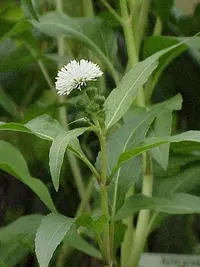
Canadian waterweed Care (Elodea canadensis)

Also known as: Canadian Pondweed, American Pondweed, American Waterweed, Common Waterweed, Common Pondweed, Elodea, Giant Anacharis, American Elodea
Canadian waterweed

About Canadian waterweed

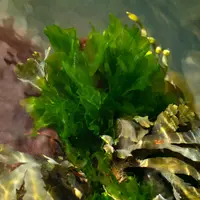
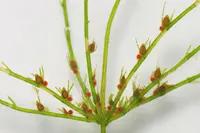
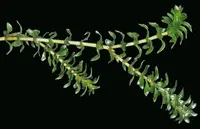
Canadian waterweed (Elodea canadensis) is a submerged freshwater aquatic plant commonly used in ponds, aquariums, and educational science projects. It forms dense, bright green stems with whorled, narrow leaves and tends to grow in thick underwater stands.

This species is native to North America and naturally occurs in slow-moving rivers, lakes, and ponds with cool, clean water. It is generally considered easy to grow because it adapts to a range of water conditions and can spread quickly.

It prefers good light, stable water temperatures, and nutrient-rich water rather than soil. For most hobbyists, learning how to care for Canadian waterweed focuses on managing its fast growth so it does not overcrowd other aquatic plants.

Main Plant Requirements

Care Difficulty

Easy Care

Light Preference

Full Sun

Water Requirements

Aquatic

Temperature Preference

Cold Hardy

Hardiness Zone

4–10

Soil Texture

Silty, Organic-rich

Soil pH

Slightly acidic (6.5–7.0), Neutral (7.0)

Soil Drainage

Waterlogged tolerant

Fertilization

Minimal (feed rarely)

Get Personalized Care Plan

Scan your plant to receive care tips personalized for your specific plant

Available on iOS and Android

How to Care for the Canadian waterweed

This submerged aquatic plant depends on steady light levels for healthy growth and dense foliage.

  • Provide 4–8 hours of bright, indirect sunlight or gentle morning sun; avoid intense, unshaded midday exposure in shallow water.
  • Tolerates partial shade, but stems of Canadian waterweed may elongate and leaves thin if light stays low for many weeks.
  • In outdoor ponds, allow some floating plants or shade cloth in summer to diffuse strong sun, while keeping ice-free areas exposed in winter.

As an aquatic species, this plant relies on stable, clean water conditions rather than traditional soil-based watering.

  • Keep Elodea canadensis fully submerged in fresh water at least 20–30 cm deep, avoiding frequent full water changes that shock the plant.
  • Aim for clear, low-pollutant water; yellowing, limp stems suggest poor water quality, while rotting, foul-smelling pieces indicate severe stagnation.
  • In ponds or tanks, refresh 10–30% of the water every 1–2 weeks, ensuring good circulation so oxygen levels remain high and debris does not build up.

Temperature strongly influences growth speed, stem density, and seasonal dormancy patterns.

  • Ideal growth occurs around 60–75°F (16–24°C); plants grow slower but remain viable from about 50–80°F (10–27°C).
  • Tolerates brief cold spells close to 32°F (0°C) under ice, but sudden freezes in very shallow water can damage upper shoots.
  • In hot summers above 82–86°F (28–30°C), growth may stall; provide some shade and good water movement to prevent overheating and low oxygen.

Humidity is not a relevant factor because this aquatic species lives fully submerged in water, not in air.

Elodea canadensis anchors in underwater substrates rather than conventional potting soil.

  • Use a soft, fine-textured aquatic substrate such as washed sand or very fine gravel that allows roots to penetrate easily.
  • Keep the substrate low in organic matter to prevent anaerobic zones and excess nutrient release that can fuel algae growth.
  • Aim for slightly acidic to neutral conditions, roughly pH 6.5–7.5, which match most freshwater aquariums and ponds.
  • Avoid dense clay, unwashed gravel, or thick layers of compost that compact, trap gas, and interfere with healthy root anchoring.

This species is suitable for growing in aquatic containers such as aquariums, tubs, or patio ponds.

  • Use a wide, stable container so the spreading stems have room to float or drift without crowding filtration or circulation equipment.
  • Secure stems with small plant weights or in mesh pots tucked into the substrate to keep them from uprooting or clogging filters.
  • Limit water depth to a level where upper stems can receive adequate light penetration, adjusting plant density if light is reduced.

This aquatic species usually obtains nutrients from the water and often needs little added fertilizer in ponds or outdoor tanks.

  • In low‑nutrient aquariums, use a balanced liquid NPK fertilizer at 1/4–1/2 strength to support growing Canadian waterweed.
  • Dose during the active growing season every 2–4 weeks, adjusting based on growth rate and algae presence.
  • Reduce or stop feeding in winter or when growth slows, especially in unheated, low‑light setups.
  • Avoid fertilizing if algae increase, lowering dosage or frequency instead of adding more nutrients.

Pruning Elodea canadensis focuses on controlling length and density while maintaining healthy, well‑lit stems.

  • Trim stems during active growth, typically spring through early fall, when plants recover fastest.
  • Remove dead, damaged, yellowing, or very sparse stems to maintain water quality and reduce decay.
  • Shorten overlong or crowded stems to improve light penetration and encourage bushier side shoots.
  • Use clean scissors or aquascaping shears, cutting just above a node so remaining segments continue vigorous growth.

This aquatic species is usually grown loose or lightly anchored rather than traditionally potted, so management focuses on repositioning and thinning instead of frequent repotting.

  • Check for signs of crowding such as dense mats, shaded lower stems, or slowed growth before disturbing established clumps.
  • Transplant or thin during spring or early summer, when water temperatures are stable and recovery is fastest.
  • For container or basket culture, refresh substrate every 1–2 years if roots form dense tangles or detritus accumulates heavily.
  • Minimize root and stem stress by working gently under water, keeping stems submerged, and replanting sections promptly at similar depth.

Elodea canadensis is commonly propagated vegetatively in aquariums and ponds rather than grown from seed.

  • Use stem cuttings 10–15 cm long, taken from vigorous, algae‑free shoots during spring or summer growth.
  • Remove lower leaves from the cut base so nodes are exposed, which encourages root formation.
  • Anchor cuttings lightly in substrate or trap them under plant weights, keeping the cut end down for faster rooting.
  • Maintain stable water temperature, moderate light, and low debris to support healthy new roots and dense top growth.

In most temperate climates this aquatic plant is cold hardy in ponds and needs minimal targeted winter care.

  • Outdoor stands usually overwinter under ice, surviving as submerged shoots or fragments at the pond bottom.
  • Avoid allowing small containers to freeze solid; move tubs or bins to frost‑free but cool locations if necessary.
  • Reduce or stop fertilization and major trimming in late fall, allowing plants to slow naturally for the cold season.

Care Tips

Regular Thinning

Remove excess stems every 2–4 weeks to prevent dense mats that block light and deplete dissolved oxygen, leaving roughly 50–70% of the original plant mass in place so the colony stays healthy and stable.

Weighted Anchoring

Attach small plant-safe weights or ceramic rings to the base of stems and press them gently into the substrate so they stay upright and rooted, which improves nutrient uptake and keeps the water column clearer.

Segmented Propagation

When trimming, cut healthy stems into 10–15 cm segments with at least 4–5 leaf whorls and replant or let them float in moderate flow so they quickly form new colonies without stressing the parent stand.

Algae Competition Control

Limit dissolved nutrients and maintain moderate water movement so the plants outcompete algae, and promptly remove any decaying Elodea material before it releases nutrients that fuel algal growth.

Seasonal Biomass Reset

In outdoor ponds, remove a larger portion of biomass at the end of the growing season and compost or dispose of it responsibly, which prevents excessive die-back in cold water and simplifies caring for Canadian waterweed the following year.

Common Pests and Diseases

Aphids

These insects cluster on soft shoots and leaf whorls, sucking sap and weakening the stems, especially in nutrient-rich ponds and tanks.

Solution

Manually rinse stems under running water or swish bunches in a separate bucket to dislodge colonies, then release natural predators such as lady beetles in outdoor ponds or use a dilute insecticidal soap spot-treatment in aquaria, followed by partial water changes to protect fish and invertebrates.

Hydra

This pest is a small, tentacled freshwater animal that anchors to Elodea stems and leaves, preying on fish fry and tiny invertebrates while forming visible green or white tufts.

Solution

Reduce overfeeding to limit planktonic food, then manually remove affected plant sections or temporarily relocate the plant and perform repeated mechanical wiping and rinsing; in fishless systems or quarantine tanks, controlled use of species-appropriate hydra treatments can be combined with improved filtration and regular water changes.

Algal overgrowth

This condition appears as filamentous strands or slimy films coating stems and leaves, competing with the plant for light and nutrients and sometimes smothering entire shoots.

Solution

Reduce light duration to 8–10 h, lower excess nutrients through partial water changes, and physically remove algae by gently running fingers along stems; adding fast-growing floating plants or adjusting stocking and feeding levels helps stabilize nutrient balance while maintaining adequate flow around Elodea stands.

Fungal stem rot

This disease causes brown, mushy stem sections that collapse and disintegrate, often starting at damaged or shaded lower portions in slow or stagnant water.

Solution

Trim and discard all softened or discolored sections, then improve water movement and avoid burying stems too deeply in substrate; maintain stable temperature, avoid sudden organic load spikes, and replant only firm, green cuttings to reduce reinfection and support healthy Elodea canadensis care instructions.

Interesting Facts

North American origin

This submerged aquatic species is native to North America but has been introduced to many parts of Europe, Asia, and New Zealand, where it often behaves as an invasive plant in slow-moving or still freshwater systems.

Clonal stem fragments

It spreads very effectively by stem fragments that root and form new colonies, which is why even small pieces moved by boats, fishing gear, or waterfowl can start new populations far from the original site.

Simple leaf anatomy

Its leaves are only a few cells thick and lack stomata, relying entirely on direct gas exchange with the surrounding water, which makes it a useful model organism in classrooms for observing photosynthesis under a microscope.
Botan icon

Did you know?

Elodea canadensis was one of the first aquatic plants to be widely used in experimental plant physiology, helping researchers directly observe processes like cytoplasmic streaming and oxygen bubble production during photosynthesis, and it is still used in basic laboratory demonstrations today.

FAQs about Canadian waterweed

Yellowing foliage usually indicates poor water quality, nutrient deficiency, or low light. Test water for nitrates, phosphates, and hardness, refresh part of the water, remove decaying matter, and consider adding an aquatic plant fertilizer if levels are low.

Grow Healthy Plants with Botan Care

Keep your plants happy and healthy with plant identification, disease detection, and easy care guidance.
Botan plant care app — identify plants on mobile

Explore More Plants