Senegal tea Care (Gymnocoronis spilanthoides)

Senegal tea

About Senegal tea

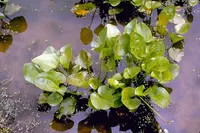
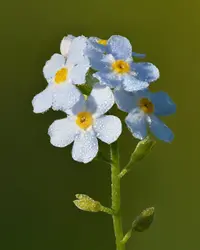
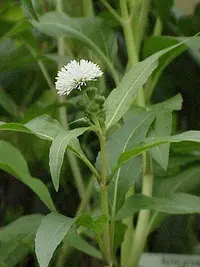
Senegal tea, Gymnocoronis spilanthoides, is a fast-growing semi-aquatic perennial often used in ponds, water gardens, and aquariums. It forms upright, leafy stems with lance-shaped green leaves and small, fluffy white flower heads above the waterline.

This species is native to wetland areas of South America but has naturalized in many warm regions, sometimes becoming invasive in outdoor waterways. It prefers consistently moist conditions, nutrient-rich substrates, and good light, which makes it vigorous when its needs are met. Understanding how to care for Senegal tea starts with controlling its spread and providing stable, shallow water or very wet soil.

Main Plant Requirements

Care Difficulty

Moderate Care

Light Preference

Full Sun

Water Requirements

Aquatic

Temperature Preference

Tropical / Frost Sensitive

Hardiness Zone

9–11

Soil Texture

Loamy, Silty, Organic-rich

Soil pH

Slightly acidic (6.5–7.0), Neutral (7.0)

Soil Drainage

Waterlogged tolerant

Fertilization

Moderate (every 2–4 weeks)

Get Personalized Care Plan

Scan your plant to receive care tips personalized for your specific plant

Available on iOS and Android

How to Care for the Senegal tea

This aquatic marginal plant prefers bright conditions with protection from harsh midday sun.

  • Provide 4–6 hours of direct morning sun plus bright, filtered light the rest of the day; eastern exposure suits Senegal tea well.
  • Tolerates light afternoon shade, but in too much shade stems elongate, foliage pales, and flowering decreases noticeably.
  • In hot summers, shield from strong sun between 12–4 pm to prevent leaf scorch; in cooler seasons allow more direct sun to maintain compact growth.

This species naturally grows at water margins and prefers consistently wet conditions in cultivation.

  • Maintain soil or substrate saturated to very moist; for pond edges, allow lower stems to sit in shallow water without drying out.
  • If grown in soil, do not let the top layer dry deeper than 1–2 cm; drooping, dull leaves indicate underwatering, while yellowing, mushy stems suggest chronic waterlogging without oxygen.
  • In warm months increase water supply as evaporation rises; in cooler seasons keep moisture high but reduce standing water depth to limit rot in Gymnocoronis spilanthoides.

This warm-temperate to subtropical species grows best in mild, stable temperatures.

  • Ideal growth occurs at 68–82°F (20–28°C), where stems remain sturdy and foliage dense in ponds or boggy beds.
  • Below about 50°F (10°C) growth slows sharply; brief drops to 41–45°F (5–7°C) may be survived, but repeated chills weaken plants.
  • This plant is frost-sensitive and should be protected from 32°F (0°C) and below; in very hot periods above 90°F (32°C), provide partial shade and ample water movement to prevent stress.

This aquatic marginal species prefers consistently high humidity and does poorly in dry indoor air.

  • Aim for 60–80% humidity, similar to conditions around aquariums, ponds, or very damp trays.
  • Brown, crispy leaf edges or slowed growth indicate air humidity is too low for Senegal tea.
  • Increase humidity by grouping plants near open water surfaces, using pebble trays with water, or running a nearby humidifier.

This plant thrives in saturated, organic-rich substrates rather than typical potting soil.

  • Use a heavy loam or clay-loam base with high organic matter, such as garden loam mixed with compost or well-rotted leaf mold.
  • Soil should stay consistently wet to waterlogged, with no drying out, but can be mildly acidic to neutral (pH 6.0–7.2).
  • Add a small amount of coarse sand to anchor roots while still allowing slow water movement and oxygen exchange around them.
  • Avoid very sandy, fast-draining mixes or bark-heavy substrates, which dry out too quickly and stress Gymnocoronis spilanthoides.

This species adapts well to containers, especially as a marginal plant in water gardens or large tubs.

  • Choose a wide, relatively shallow container to accommodate spreading stems while keeping the root zone fully saturated.
  • Use a stable, heavier pot material so the container does not tip as stems elongate above the water surface.
  • If the container sits inside a pond or tub, place it on a level support so water depth around the crown remains consistent.

This aquatic perennial benefits from modest, controlled feeding during its active season.

  • Use a balanced NPK aquatic fertilizer or slow-release tablets pushed into the substrate, avoiding products high in phosphorus to limit algae.
  • Feed every 4–6 weeks during spring–summer while growth is strong, especially when growing Senegal tea in containers or lined ponds.
  • Apply fertilizers at 1/2–1/4 label strength; strong solutions can burn roots and destabilize pond water chemistry.
  • Stop or greatly reduce feeding in fall–winter, when growth slows and nutrient demand is low.

Pruning helps keep Gymnocoronis spilanthoides dense, controlled, and within safe bounds in ponds or water gardens.

  • Trim mainly in late spring through summer, when plants recover fastest and new shoots form quickly.
  • Use clean scissors or hand pruners to remove dead, damaged, or weak stems down to healthy tissue.
  • Cut back tall, leggy, or crowded shoots to shape the clump, encourage bushier side growth, and maintain flowering near the surface.
  • Remove spent flower heads before seeds mature to reduce unwanted spread and biomass buildup.

This species is usually grown in baskets or contained pond zones that sometimes need refreshing or division.

  • Plan transplanting for spring, once water is warming and new growth begins, to reduce shock and encourage fast re-establishment.
  • Look for roots circling the basket, plants lifting from the medium, or slowed growth as signs that space or fresh substrate is needed.
  • Typically lift and reset or divide clumps every 1–2 years, renewing heavy loam or aquatic soil and discarding weak, woody centers.
  • Handle roots gently, keep them moist, trim damaged portions, then replant at the previous depth and secure until anchored.

This plant is commonly multiplied to refresh stands or start new contained patches in ponds.

  • Use stem cuttings in late spring–summer, taking 8–12 in pieces with several nodes from healthy, non-flowering shoots.
  • Place cuttings in shallow water or very wet substrate with 1–2 nodes submerged; provide bright light and stable warmth.
  • Roots usually form within 1–3 weeks; once well rooted, move new plants into baskets or designated pond areas.
  • Clump division in spring is also effective: split vigorous masses into sections with strong roots and discard weak portions.

Cold tolerance depends on climate, so winter needs vary between mild and freezing regions.

  • In mild climates, this plant often persists in ponds with no special protection, though top growth may thin.
  • In regions with light frost, submerge crowns slightly deeper so roots stay below the ice line.
  • In colder zones, move container-grown plants indoors to a cool, bright tank or keep them in frost-free water.
  • Mulch or insulate marginal plantings at the shoreline to buffer sudden freezes and limit root damage.

Care Tips

Submerged Stem Management

Periodically remove and discard the oldest, most algae-covered submerged stems to maintain strong growth tips and better water circulation when growing Senegal tea in ponds or aquaria.

Regular Thinning Routine

Every 2–4 weeks, thin dense stands by cutting and removing entire stems to prevent self-shading, improve oxygen movement in the water, and reduce the risk of fungal issues at the crown.

Anchoring In Containers

In ponds or tubs, plant stems in heavy aquatic baskets filled with mineral-based substrate and use a thin layer of gravel on top to keep roots anchored and prevent plants from floating free.

Height Control By Replanting

When shoots reach the desired height, cut the upper 10–15 cm with several leaf nodes and replant these cuttings, discarding or composting the tall, woody bases to keep growth compact and youthful.

Wintering In Cold Climates

In regions with cold winters, lift container-grown plants before frost, trim back soft growth, and overwinter crowns indoors in large water-filled tubs with strong light to preserve stock plants for the next season.

Common Pests and Diseases

Spider mites

This pest is common on emergent stems and leaves, especially in warm, dry air above aquariums or ponds. Symptoms include fine webbing, pale stippling on leaves, and gradual yellowing or bronzing.

Solution

Increase humidity around emergent foliage, rinse leaves thoroughly with a strong but gentle stream of water, and wipe both sides of leaves. For persistent infestations, apply a targeted miticide or insecticidal soap labeled for ornamental aquatic-edge plants, keeping treatments off open water as much as possible.

Aphids

These insects often cluster on young shoots and undersides of emergent leaves, feeding on sap and weakening the plant. Symptoms include distorted new growth, sticky honeydew, and possible sooty mold on affected surfaces.

Solution

Prune and discard heavily infested shoot tips, then wash remaining foliage with water to dislodge insects. If needed, use insecticidal soap or a low-toxicity systemic product suitable for marginal aquatic plants, taking care to avoid direct application to fish or other aquatic life.

Leaf spot

This disease appears on emergent or marginal foliage as small brown, tan, or dark water-soaked spots that may merge into larger patches. Symptoms include premature yellowing and shedding of older leaves, especially in dense, poorly ventilated clumps.

Solution

Remove and discard affected leaves to reduce inoculum, and thin crowded stems to improve light and air movement. Avoid wetting foliage during overhead watering and, in severe recurring cases, apply a fungicide labeled for leaf spot on ornamentals, following all safety constraints near water bodies.

Bacterial stem rot

This disease affects basal portions of soft, fast-growing stems, especially in warm, stagnant water or thick mats. Symptoms include mushy, foul-smelling stem sections, sudden wilting or collapse of shoots, and discolored internal tissues at the waterline.

Solution

Cut and remove all affected stems well below the rotted section and discard them, then thin dense growth to improve water circulation and oxygenation. Maintain stable water quality, avoid mechanical damage to stems, and restart new stands from only firm, clean cuttings taken from healthy tops.

Interesting Facts

Amphibious stem growth

This species produces long, hollow stems that can grow both submerged and emersed, allowing it to transition between fully aquatic and marsh conditions as water levels change.

High vegetative spread

Even small stem fragments with nodes can root and form new plants, which is why it can spread rapidly in canals, irrigation channels, and slow-moving rivers when introduced outside its native range.

Declared aquatic weed

In several regions, including parts of Australia and New Zealand, this plant is officially listed as a noxious or prohibited aquatic weed due to its dense growth that can block waterways and outcompete native species.

Botan icon

Did you know?

This species is native to South America but has become invasive in multiple continents, and in some jurisdictions its sale, transport, and deliberate cultivation are strictly regulated or banned to protect freshwater ecosystems.

FAQs about Senegal tea

Brown tips usually result from high mineral levels, strong water movement, or fluctuating water levels around the roots. Remove damaged leaves, improve water quality, and stabilize conditions to reduce further browning and stress on this plant.

Grow Healthy Plants with Botan Care

Keep your plants happy and healthy with plant identification, disease detection, and easy care guidance.

Botan plant care app — identify plants on mobile

Explore More Plants