
lodgepole pine Identification (Pinus contorta)

To recognize lodgepole pine, check for needles borne in pairs, usually 1 to 3 inches (2.5 to 7.5 cm) long, and small, egg-shaped cones about 1 to 2 inches (2.5 to 5 cm) long.

It often has a narrow, straight trunk with short branches and a dense, upright crown.

Pinus contorta Identification

Check Your Plant ID

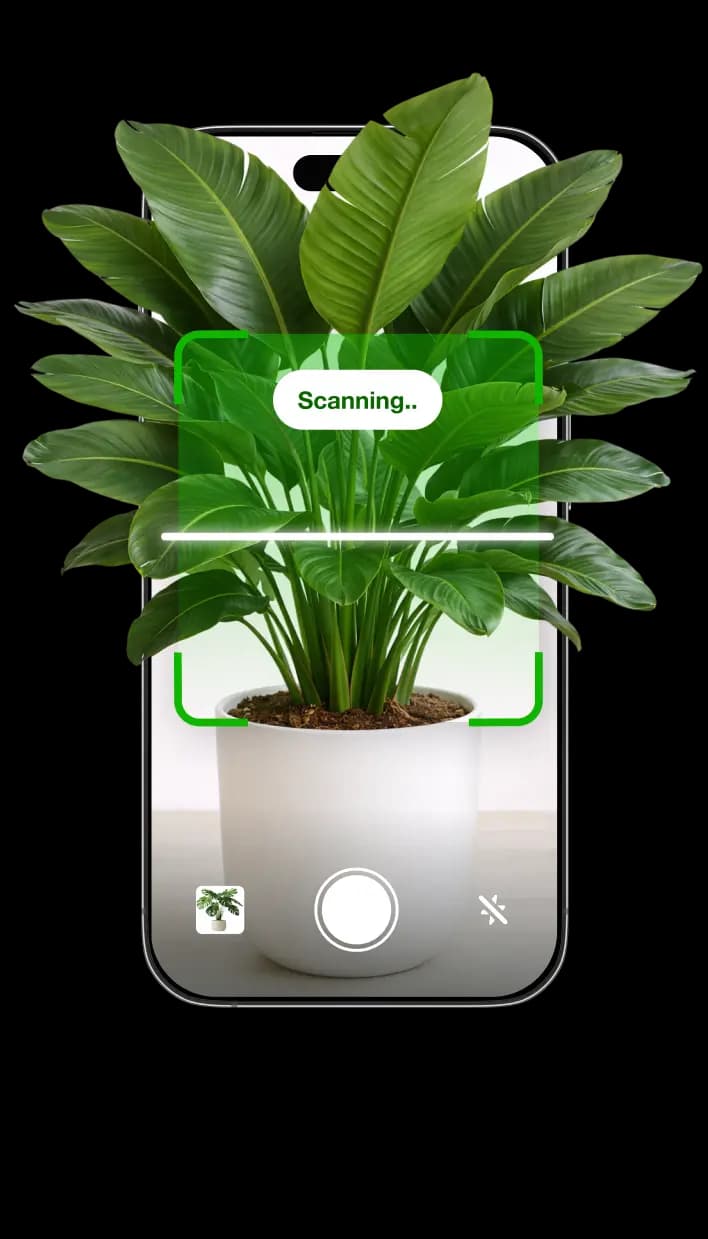
Upload a plant photo and check the identification in seconds.

Clear images work best. Avoid photos taken too close or too far away

Use these visible traits to check for Pinus contorta.

  • Needles are bundled in pairs, slender, slightly twisted, and usually 1.5-3 inches (4-8 cm) long.
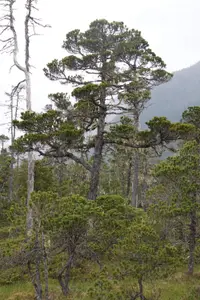
  • The crown is often narrow and upright, with a straight trunk and relatively short side branches.
  • Cones are small and egg-shaped, about 1-2 inches (3-5 cm) long, and often stay attached to branches.
  • Bark on mature trunks is thin, scaly, and gray-brown to reddish-brown, rather than deeply furrowed.

Check both the paired needles and the small persistent cones for the quickest visual confirmation.

Pinus contorta shows useful visual changes from seedling form to cone-bearing maturity.

  • Seedling: Seedlings begin with several slender seed leaves, then quickly switch to soft juvenile needles on a thin, upright stem.
  • Juvenile plant: Juvenile plants form dense, bushy branching close to the ground, with shorter-looking needles and no clear trunk or narrow crown yet.
  • Young plant: A young plant starts showing the species’ straighter central trunk and narrower outline; needles are paired and about 1-3 inches (2.5-7.5 cm) long.
  • Fruiting stage: Cone-bearing lodgepole pine carries small, hard, egg-shaped cones that stay attached along branches, adding a rougher, more crowded look than younger plants.

Lodgepole pine includes several well-marked varieties with consistent differences in crown shape, needles, and cones.

  • Pinus contorta var. contorta: Shore pine is often low, wind-shaped, and irregular, with shorter needles and sharply prickled cones.
  • Pinus contorta var. latifolia: Typically a tall, straight tree with a narrow crown; needles are usually stiffer and cones less strongly prickled.
  • Pinus contorta var. murrayana: Usually has longer needles in denser tufts and more symmetrical cones, giving a fuller, less scrubby look.

Pinus contorta stays needled year-round, so there is no fall leaf drop. The most useful seasonal clue is the appearance of pollen cones in spring, often yellow to orange and clustered near shoot tips. Seed cones become easier to notice from late spring into summer as they enlarge and harden. In winter, the evergreen crown and persistent cones stand out clearly against dormant broadleaf trees.

A few two-needle pines are frequent sources of confusion.

shore pine(Pinus contorta var. contorta)

Often confused because it is the coastal form of lodgepole pine. It is usually shorter and more windswept, with asymmetrical cones and pricklier cone scales.

jack pine(Pinus banksiana)

Similar narrow needles in pairs and small curved cones can mislead. Jack pine usually has shorter, more twisted needles and cones that curve more strongly and often stay closed on the branch.

Scots pine(Pinus sylvestris)

Young trees can look similar from a distance. Scots pine is best separated by its orange upper bark and often slightly bluish needles, unlike the grayer bark overall.

Pinus contorta is native to western North America, from coastal Alaska and British Columbia south through the Pacific Northwest and the Rocky Mountains into parts of California, the Great Basin, and the northern Rockies. Habitat helps narrow it down because this species occurs in two distinct settings: coastal dunes, bog margins, and low forests near the Pacific, and inland montane forests from about 5,000 to 11,500 feet (1,500 to 3,500 m). Finding it in those regions supports identification.

Does Your Plant Match?

Use Botan to compare a photo and help identify or confirm the plant before you label it.

FAQ

Needles come in bundles of two, usually 1 to 3 inches (2.5 to 7.5 cm) long, often twisted. Cones are small, prickly, and commonly stay closed on branches for years, which helps with lodgepole pine identification.

More Plant Identification Guides

Find the Plant. Get the Details.

Identify a plant from a photo with Botan, then review species-specific plant details, care information, and common problems.

Botan app identifying a plant from a photo
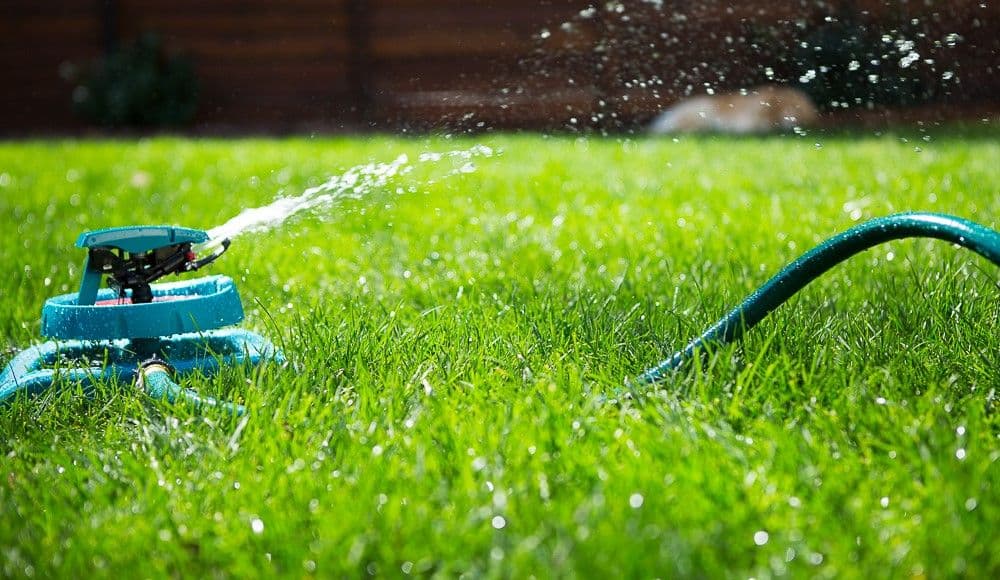
Best Time to Water Grass in Summer – Lawn Watering Tips

5 min read · 21 Jul 2026

Best Time to Water Grass in Summer – Lawn Watering Tips

Summer watering is easy to get wrong. This guide explains when to turn on your sprinkler, how much liquid your grass needs each week, and how to tell if you're overwatering or underwatering.

Plant Care
Best Time to Water Grass in Summer – Lawn Watering Tips
How to Winterize Your Garden in 6 Steps

5 min read · 28 Sept 2026

How to Winterize Your Garden in 6 Steps

Learn how to prepare your garden for winter with a practical six-step checklist covering cleanup, tender plant care, watering, mulching, winter protection, and winterizing equipment and containers.

Plant Care
How to Winterize Your Garden in 6 Steps
Can Plants Grow With Artificial Light?

6 min read · 15 Sept 2026

Can Plants Grow With Artificial Light?

Plants can grow under artificial light when the setup provides a suitable spectrum, enough intensity, and sufficient daily exposure. This guide explains how artificial lighting compares with sunlight, which options work indoors, and how to match a setup to houseplants.

Plant Care
Can Plants Grow With Artificial Light?