Cappadocian maple Care (Acer cappadocicum)

Cappadocian maple

About Cappadocian maple

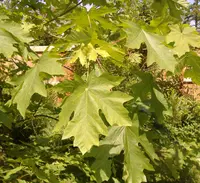
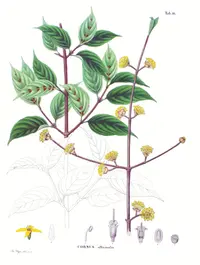
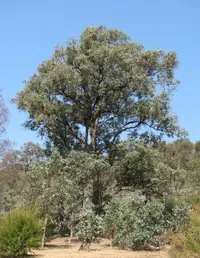
Cappadocian maple, Acer cappadocicum, is a medium to large deciduous tree valued for its rounded crown and dense, bright green foliage. In autumn, the leaves can turn clear yellow, sometimes with orange tones, giving strong seasonal interest in gardens and parks.

This species is native to regions from southeastern Europe through the Caucasus to the Himalayas, where it grows in mixed woodlands and mountain slopes. It is generally considered a tough, adaptable tree, which makes it relatively straightforward to care for Cappadocian maple in temperate climates.

It prefers full sun to light shade, moderately moist conditions, and well-drained soil, but usually tolerates a range of soil types once established.

Main Plant Requirements

Care Difficulty

Moderate Care

Light Preference

Full Sun

Water Requirements

Moderate Water

Temperature Preference

Cold Hardy

Hardiness Zone

5–8

Soil Texture

Loamy, Clay, Organic-rich

Soil pH

Acidic (5.5–6.5), Slightly acidic (6.5–7.0)

Soil Drainage

Moist but well-drained

Fertilization

Minimal (feed rarely)

Get Personalized Care Plan

Scan your plant to receive care tips personalized for your specific plant

Available on iOS and Android

How to Care for the Cappadocian maple

This species grows best with generous light but some protection from intense afternoon sun.

  • Provide 4–6 hours of direct morning sun with light or dappled shade after midday to reduce leaf scorch, especially on exposed sites.
  • Tolerates partial shade (around 2–4 hours direct sun) but foliage may be less dense and autumn color slightly reduced in deeper shade.
  • In hot summers, shelter Cappadocian maple from strong western exposure and reflective heat; young trees benefit from temporary shade cloth until fully established.

Acer cappadocicum prefers evenly moist, well-drained soil without long periods of drought or saturation.

  • Before watering, check that the top 3–5 cm of soil have started to dry, then soak deeply so moisture reaches the root zone rather than applying light surface splashes.
  • During the first 2–3 growing seasons, monitor weekly in dry weather; drooping leaves that perk up after evening cool indicate early drought stress, while yellowing leaves and soft new shoots suggest overwatering.
  • Plant in soil with good drainage and organic matter; avoid sites where water pools for more than 1–2 hours after rain to reduce root rot risk.

This maple is a hardy, temperate-climate tree that tolerates cold winters and mild to warm summers.

  • Active growth is best around 60–77°F (16–25°C), with cool nights promoting strong structure and good leaf development.
  • Dormant, established trees tolerate winter lows near 0°F (−18°C) when planted in the ground, but young specimens benefit from mulch over the root zone for insulation.
  • In hot spells above 86°F (30°C), provide soil moisture and some afternoon shade to limit leaf scorch, especially on exposed, windy locations.

This maple tolerates a wide humidity range and usually does not need special humidity management outdoors.

  • Performs well at 30–70% humidity, typical of many temperate outdoor climates.
  • Handles moderately dry air, but young trees may benefit from mulching soil to reduce evaporation stress.
  • Low humidity stress appears mainly as marginal leaf browning during hot, windy periods rather than in mild, still air.

Acer cappadocicum prefers deep, moisture-retentive yet free-draining soil for stable long-term growth.

  • Use a loamy structure with a mix of mineral particles and organic matter so roots have both anchorage and air spaces.
  • Aim for neutral to slightly acidic pH around 6.0–7.0, adding composted leaf mold or garden compost to buffer pH and retain moisture.
  • Improve drainage and aeration in heavy clay by incorporating coarse sand or fine grit plus well-rotted compost through at least the top 25–30 cm.
  • Avoid compacted, waterlogged, or extremely alkaline soil, which encourages root decline, poor nutrient uptake, and weak leaf color.

This species can be grown in containers only for the short to medium term, as it ultimately prefers open ground.

  • Select a large, heavy container to stabilise the increasingly top-heavy canopy against wind and accidental knocks.
  • Use a deep pot that allows a broad, spreading root system rather than a narrow, columnar root mass that dries and overheats quickly.
  • Choose thick-walled clay or concrete containers in sunny sites to moderate root-zone temperature swings and reduce moisture stress.

This species grows well in decent soil and usually needs only light feeding to maintain steady growth.

  • Apply a balanced slow-release fertilizer (around 10-10-10) in early spring, once per year, for established Cappadocian maple in average garden soil.
  • Use a slightly diluted balanced liquid feed every 4–6 weeks in spring–summer for young or container-grown trees, stopping by late summer.
  • In poor soils, top-dress with 2–5 cm of well-rotted compost over the root zone each spring, keeping it away from the trunk.
  • Do not feed during winter dormancy, and always avoid high-nitrogen products that push soft, frost-sensitive growth.

Acer cappadocicum benefits from light, well-timed structural pruning to maintain a healthy crown.

  • Carry out main pruning in mid to late winter when the tree is dormant, avoiding heavy cuts in spring sap flow.
  • Remove dead, diseased, crossing, or inward-growing branches first to improve air flow and reduce disease risk.
  • Thin congested interior shoots to maintain an open, balanced shape and allow light into the canopy.
  • Use sharp, clean bypass pruners or a pruning saw, making smooth cuts just outside the branch collar without leaving stubs.

This maple is usually grown in the ground, so care focuses on transplanting young trees rather than frequent repotting.

  • Plan transplanting for late fall or very early spring when the tree is dormant and soil is workable.
  • Move only when roots circle the container, growth slows, or the root ball dries out very quickly between waterings.
  • Dig a wide planting hole, loosen circling roots gently, and set the tree at the same soil level as before in well-drained ground.
  • Water deeply after planting, mulch 5–8 cm over the root zone, and keep soil evenly moist for the first 1–2 growing seasons to reduce stress.

Acer cappadocicum is usually propagated by seed, which can be slow and requires specific conditions.

  • Collect mature winged seeds in fall and sow them fresh outdoors, or cold-stratify them 2–3 months at 34–41°F before spring sowing.
  • Use a free-draining seed mix, cover seeds lightly, and keep the medium evenly moist but not waterlogged.
  • Expect irregular germination over 1–2 years; keep trays in a protected cold frame or sheltered outdoor spot.
  • Once seedlings form several true leaves, transplant carefully into individual pots and grow on in light shade before field planting.

This species is generally cold hardy in suitable climates and needs only modest winter care once established.

  • Young or newly planted trees benefit from a 5–8 cm mulch layer over the root zone to limit freeze–thaw cycles.
  • Keep mulch a few cm away from the trunk to prevent bark rot and rodent damage.
  • Container-grown trees should be moved to a sheltered, unheated area where roots do not freeze solid for long periods.

Care Tips

Train Central Leader

In the first 3–5 years, select and lightly stake one strong upright stem as the central leader to create a stable main trunk and remove only competing upright shoots at their base.

Protect Tender Bark

On young trees with smooth bark, use a breathable tree guard or light-colored trunk wrap from late fall to early spring to reduce sunscald and frost cracking on the south and southwest sides.

Manage Surface Roots

Avoid deep cultivation or edging within the drip line and instead maintain a 5–8 cm mulch layer so fine surface roots are protected from damage and drying out.

Controlled Canopy Thinning

Every 3–4 years, remove a small number of inward-growing or crossing branches in late winter to keep the crown airy, improve light penetration, and reduce risk of fungal issues when growing Cappadocian maple.

Monitor Graft Union

If the tree is grafted, inspect the graft union annually, removing any vigorous shoots arising from below the graft so the desired scion growth is not weakened or overgrown.

Common Pests and Diseases

Verticillium wilt

This disease blocks the water-conducting vessels, leading to sudden wilting, branch dieback, and often one-sided canopy decline. Symptoms include yellowing or browning leaves that shrivel and cling to the branches.

Solution

Prune out and destroy affected branches back to healthy wood, disinfecting tools between cuts, and avoid replanting maples in the same spot if a tree dies. Keep the tree well watered in dry periods, apply a light mulch to protect roots, and avoid heavy fertilization or root disturbance, which can worsen stress on an infected Acer cappadocicum.

Powdery mildew

This disease produces a white, talc-like coating on the upper leaf surface, often starting on shaded inner foliage. Symptoms include distorted new leaves and premature leaf drop in late summer.

Solution

Improve air circulation by thinning crowded branches and avoid overhead watering that keeps foliage damp. Remove and dispose of heavily infected leaves, and if needed use a labeled systemic or sulfur-based fungicide applied according to local Acer cappadocicum care instructions to reduce repeated outbreaks.

Leaf spot

This disease causes scattered brown or purplish spots on leaves, sometimes with pale centers and yellow halos. Symptoms include early leaf drop in mid to late summer, especially in damp or shaded sites.

Solution

Rake and discard fallen leaves in autumn to remove fungal spores and reduce carryover to the next season. Promote faster leaf drying with good spacing and pruning, and in severe, recurring cases apply a suitable foliar fungicide in spring as new leaves expand.

Aphids

These insects cluster on young shoots and leaf undersides, sucking sap and causing curled, sticky leaves coated in honeydew and sooty mold. This pest is often noticeable in spring flushes when new growth is soft and abundant.

Solution

Wash colonies off with a strong but controlled jet of water, repeating every few days during heavy infestations, and encourage natural predators like lady beetles by avoiding broad-spectrum insecticides. For persistent problems, use targeted treatments such as insecticidal soap or horticultural oil sprayed thoroughly on shoot tips and leaf undersides.

Gall mites

These pests trigger small, raised galls or blisters on leaves, sometimes tinted red or yellow, which are common on some maples and mainly a cosmetic issue. Symptoms include rough or puckered leaf surfaces while the overall vigor of the tree stays normal.

Solution

Prune and dispose of heavily affected leaves and small shoots early in the season to reduce the mite population. Avoid routine chemical treatment since damage is mostly aesthetic; for serious, repeated infestations, consult a local arborist about timing of a targeted miticide before bud break to protect next season’s foliage while continuing to grow Acer cappadocicum in good site conditions.

Interesting Facts

Distinctive five-lobed leaves

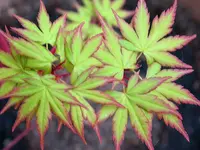
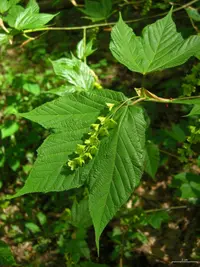
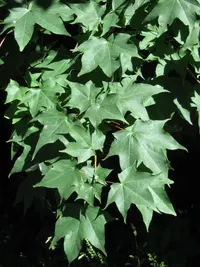
This maple often shows almost perfectly circular leaf outlines with 5–7 short, rounded lobes, giving a more compact, disc-like leaf shape compared with many other maples.

Early autumn color

In suitable climates, its foliage can turn clear yellow quite early in the autumn season, sometimes while neighboring maples are still green, making it a useful species for extending fall color displays.

Naturally multi-stemmed habit

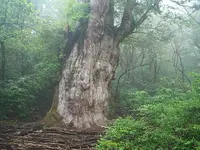
In the wild, the Cappadocian maple often develops a multi-stemmed, broad-crowned form rather than a single straight trunk, which has led to its frequent use as a spreading shade tree in large gardens and parks.

Botan icon

Did you know?

Acer cappadocicum produces root suckers more readily than many other maple species, which has enabled it to naturalize beyond its native range in parts of Europe where it can slowly spread from original plantings into nearby woodlands and hedgerows.

FAQs about Cappadocian maple

This tree has a moderate growth rate, typically adding 30–60 cm per year under good conditions. Growth is faster in deep, moist, well-drained soil and cooler climates, so it is not classed as truly fast-growing.

Grow Healthy Plants with Botan Care

Keep your plants happy and healthy with plant identification, disease detection, and easy care guidance.

Botan plant care app — identify plants on mobile

Explore More Plants