bigleaf maple Care (Acer macrophyllum)

Also known as: Oregon maple, canyon maple
bigleaf maple

About bigleaf maple

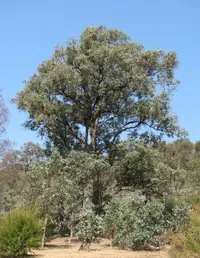
Bigleaf maple, Acer macrophyllum, is a fast-growing deciduous tree native to the Pacific Northwest of North America. It forms a broad, rounded crown and can become a large landscape tree.

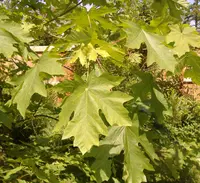
The tree is known for its very large, deeply lobed leaves that create dense shade and turn yellow to gold in autumn. Bark and branches can host mosses and lichens in humid climates, adding to its visual interest.

It grows naturally in moist forests, stream edges, and coastal areas, which reflects its preference for consistent moisture and fertile, well-drained soil. Those who want to care for bigleaf maple should allow space for its mature size and provide adequate light and water during establishment.

Main Plant Requirements

Care Difficulty

Moderate Care

Light Preference

Partial Shade

Water Requirements

Regular Water

Temperature Preference

Cold Hardy

Hardiness Zone

6–9

Soil Texture

Loamy, Silty, Organic-rich

Soil pH

Acidic (5.5–6.5), Slightly acidic (6.5–7.0)

Soil Drainage

Moist but well-drained

Fertilization

Minimal (feed rarely)

Get Personalized Care Plan

Scan your plant to receive care tips personalized for your specific plant

Available on iOS and Android

How to Care for the bigleaf maple

Acer macrophyllum performs best with bright outdoor exposure that balances growth and leaf protection.

  • Provide 4–6 hours of direct morning sun with light afternoon shade; in hotter regions, give dappled or filtered light after 11 a.m. to reduce leaf scorch.
  • Young bigleaf maple trees tolerate partial shade, but growth slows if they receive less than 3–4 hours of direct or strong filtered light daily.
  • In summer, watch for brown, crispy leaf edges as a sign of excessive sun; in dense shade, expect sparse branching and smaller, paler leaves.

Acer macrophyllum prefers consistently moist, well-drained soil rather than extremes of wet or dry.

  • In the first 2–3 years, water when the top 5–8 cm of soil feels dry, soaking the root zone deeply instead of giving light, frequent surface irrigation.
  • Mature trees usually rely on rainfall but benefit from deep watering during dry spells longer than 10–14 days, especially in sandy or fast-draining soils.
  • Improve drainage if water pools for more than 1–2 hours, and watch for yellowing, limp leaves from overwatering or curled, browning edges from drought stress.

This species is adapted to mild, temperate climates and handles cool winters with proper hardiness.

  • Active growth is strongest around 55–75°F (13–24°C); prolonged heat above 90°F (32°C) can cause leaf scorch, especially if soil dries out.
  • Dormant trees tolerate winter lows near 0°F (-18°C) once established, but young saplings benefit from protection against sudden hard freezes and drying winds.
  • During heat waves, mulch a 5–8 cm layer over the root zone and maintain soil moisture; in very cold snaps, avoid pruning to reduce frost damage to fresh cuts.

Humidity is rarely a limiting factor for Acer macrophyllum outdoors in its native range.

Acer macrophyllum prefers deep, moist, well-drained, organically enriched soil.

  • Use a loamy structure with a mix of garden loam, leaf mold or compost, and coarse sand for stability and drainage.
  • Aim for slightly acidic to neutral pH, roughly 6.0–7.0, avoiding strongly alkaline or highly compacted sites.
  • Incorporate 5–10 cm of composted organic matter into the top soil layer to improve moisture retention and nutrient availability.
  • Avoid waterlogged, heavy clay or extremely shallow soils, and improve aeration with coarse sand or fine bark if drainage is slow.

This species is generally unsuited to long-term container growing and is better established directly in the ground.

Acer macrophyllum usually grows well in average soil but benefits from light feeding in managed landscapes.

  • Use a balanced slow-release fertilizer (for example 10-10-10) or well-rotted compost applied over the root zone in early spring.
  • Feed once per year in spring; in very poor soils a second light application in early summer can support growing bigleaf maple.
  • Apply at half the label rate for trees, keeping granules away from the trunk and watering in thoroughly.
  • Avoid fertilizing in late summer and winter, since new soft growth is more prone to frost and overall nutrient demand is low.

Pruning Acer macrophyllum focuses on safety, structure, and removal of weak wood rather than heavy shaping.

  • Schedule main pruning in late winter to early spring before active growth, avoiding heavy cuts during sap bleed in very early spring when possible.
  • Remove dead, diseased, crossing, or storm-damaged branches to maintain structural stability and reduce future breakage.
  • Thin congested interior branches selectively to improve light penetration and airflow while preserving the natural crown form.
  • Use clean, sharp bypass pruners or a pruning saw, making cuts just outside the branch collar to support proper healing.

Young Acer macrophyllum is sometimes container-grown but is usually transplanted to a permanent outdoor site while still small.

  • Transplant in late fall or early spring when the tree is dormant to reduce stress and improve root establishment.
  • Look for circling roots, roots emerging from drainage holes, or slowed growth as signs that a nursery container tree needs a larger space.
  • Move up only 1–2 pot sizes or into a prepared ground hole 2–3 times the width of the root ball, using well-drained native soil backfill.
  • Water thoroughly before and after transplanting, keep the root ball intact, mulch 5–8 cm deep, and maintain consistent moisture during the first 1–2 years.

Acer macrophyllum is most often propagated from seed, which suits large-scale or restoration plantings better than small home projects.

  • Collect mature winged seeds in late summer to early fall when they turn brown and begin to dry on the tree.
  • Provide cold stratification by storing moist seeds at 34–41°F for about 60–90 days to break dormancy and improve germination.
  • Sow stratified seeds in deep trays or outdoor nursery beds with well-drained soil, just barely covered, and keep evenly moist.
  • Semi-hardwood cuttings in summer are possible but root unreliably; use rooting hormone, high humidity, and bottom warmth to improve success.

Established Acer macrophyllum trees are cold hardy in much of their native range and need minimal winter care once rooted.

  • Young or newly planted trees benefit from 5–8 cm of mulch over the root zone, kept away from the trunk, to moderate soil temperature swings.
  • Container-grown specimens in colder regions should be moved into a sheltered unheated garage or against a protected wall to reduce root freeze risk.
  • Avoid late-season nitrogen fertilization so growth hardens off before winter, improving natural frost tolerance of twigs and buds.

Care Tips

Protect Surface Roots

Install a wide mulch ring 5–10 cm deep and keep lawn mowers and foot traffic away from the base to prevent damage to the shallow surface roots that are critical for water and nutrient uptake.

Manage Heavy Limbs

Inspect large horizontal branches every 1–2 years and use professional cabling or bracing on heavy, overextended limbs in high-traffic areas to reduce breakage risk during wind or snow loads.

Leaf Litter Recycling

Allow a natural leaf litter layer to decompose under the canopy or shred and return the leaves as mulch to mimic forest conditions and steadily improve soil structure and biology for long-term Acer macrophyllum care.

Summer Drought Buffering

In regions with dry summers, extend the mulched area out to the drip line and beyond so the soil retains more moisture, reducing drought stress and leaf scorch on young and mid-aged trees.

Wildlife And Trunk Protection

Use a breathable trunk guard or hardware cloth cylinder around young trunks where deer, rodents, or mechanical damage from string trimmers are common, removing or adjusting it as the trunk thickens to avoid girdling.

Common Pests and Diseases

Leaf scorch

Symptoms include browning and drying of leaf edges, often on sun‑exposed or wind‑exposed branches, especially during hot or droughty periods. This disorder is common on bigleaf maple in landscapes with compacted or shallow soils.

Solution

Increase deep, infrequent watering during hot, dry weather, add an organic mulch layer 5–8 cm deep over the root zone (kept away from the trunk), and avoid heavy fertilization or root disturbance. Prune out only dead twigs, and focus on long‑term Acer macrophyllum care by improving soil moisture and reducing heat and wind stress rather than using chemicals.

Verticillium wilt

This disease causes sudden wilting, dieback of branches, and sometimes one‑sided crown decline, with discolored streaks in the sapwood. Bigleaf maple is notably susceptible where the soil already contains Verticillium fungi.

Solution

Promptly prune out and dispose of affected branches several inches below visible discoloration, sterilizing tools between cuts, and keep the tree well watered but not waterlogged to reduce stress. Avoid planting new maples or other Verticillium‑sensitive species in the same site, and consult a certified arborist if wilt progresses through major limbs.

Tar spot

This disease produces raised, black, tar‑like spots on the upper leaf surface after earlier pale yellow spots in spring or early summer. Affected leaves may look unsightly but usually suffer only minor functional damage.

Solution

Rake and remove fallen leaves in autumn to reduce the fungal spores that overwinter on debris, and dispose of them off‑site rather than composting. In most garden and landscape settings fungicide sprays are not necessary; long‑term control relies on consistent sanitation and maintaining good tree vigor.

Leaf spot

This disease causes scattered tan to brown spots with darker borders on leaves, sometimes leading to small holes or early leaf drop in wet seasons. Bigleaf maple foliage in shaded, humid areas is particularly prone.

Solution

Improve airflow by thinning nearby vegetation and avoid overhead irrigation that keeps leaves wet for long periods. Collect and remove infected fallen leaves, and for young or highly valued trees consider preventative fungicide sprays labeled for maple leaf spots during wet springs, following label directions carefully.

Scale insects

These insects appear as small, immobile bumps on twigs and branches and feed on sap, which can cause branch weakening, sooty mold growth, and reduced vigor. Infestations on bigleaf maple are often first noticed by sticky honeydew on surfaces below the tree.

Solution

For light infestations, scrub affected twigs with a soft brush or cloth to dislodge scales, and prune out heavily infested small branches. For larger trees, encourage natural predators, apply a dormant horticultural oil spray in late winter to smother overwintering scales, and seek professional help if large branches show heavy, persistent infestation.

Interesting Facts

Largest native maple

Bigleaf maple is the largest maple species native to North America, often forming broad, massive crowns in moist coastal forests from southern Alaska to California.

Exceptionally large leaves

This species produces some of the largest leaves of any maple, commonly 15–30 cm across and sometimes larger, which helps capture light in the shaded understory of Pacific Northwest forests.

Epiphyte host specialist

In very humid coastal areas, bigleaf maple trunks and branches often support thick mats of mosses, ferns, and lichens, effectively acting as living platforms for many small epiphytic plants and invertebrates.

Botan icon

Did you know?

Bigleaf maple can accumulate so much organic material in the moss mats on its large branches that tree seedlings, including its own offspring and conifers, sometimes germinate and grow as “canopy soil” plants high above the forest floor.

FAQs about bigleaf maple

This species is generally fast-growing, often adding 30–60 cm of height per year in youth. Growth slows with age. Adequate moisture, deep soil, and space for roots support a stronger, more stable structure over time.

Grow Healthy Plants with Botan Care

Keep your plants happy and healthy with plant identification, disease detection, and easy care guidance.

Botan plant care app — identify plants on mobile

Explore More Plants