coast araucaria Care (Araucaria luxurians)

coast araucaria

About coast araucaria

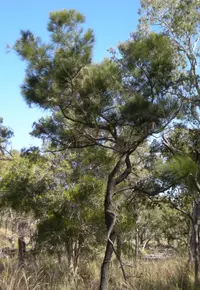
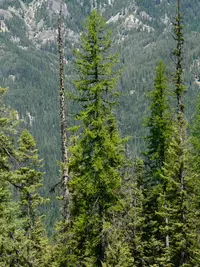
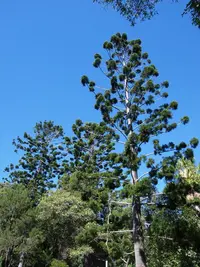
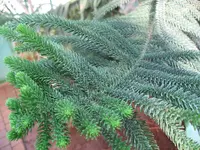
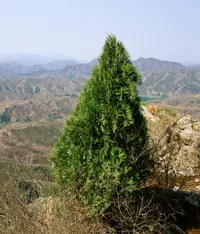
Coast araucaria (Araucaria luxurians) is an evergreen conifer tree with a narrow, upright form and dense, layered branches. Its foliage is made of stiff, overlapping scale-like leaves that give the canopy a textured, architectural look.

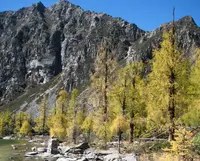
This species is native to New Caledonia, where it grows in specific, often rocky habitats with well-drained soils. In cultivation it is usually grown as a feature tree or, in cooler regions, as a container specimen.

It can be somewhat demanding because it dislikes waterlogged soil, extreme cold, and very dry indoor air. Understanding how to care for coast araucaria starts with providing bright light, moderate moisture, and a free-draining, low-compaction substrate.

Main Plant Requirements

Care Difficulty

Hard Care

Light Preference

Partial Shade

Water Requirements

Regular Water

Temperature Preference

Tropical / Frost Sensitive

Hardiness Zone

11–12

Soil Texture

Sandy, Loamy, Organic-rich

Soil pH

Strongly acidic (4.5–5.5), Acidic (5.5–6.5)

Soil Drainage

Moist but well-drained

Fertilization

Minimal (feed rarely)

Get Personalized Care Plan

Scan your plant to receive care tips personalized for your specific plant

Available on iOS and Android

How to Care for the coast araucaria

This species prefers bright, gentle light that mimics lightly filtered coastal sun.

  • Provide 4–6 hours of morning sun with light afternoon shade; bright dappled light all day also suits coast araucaria.
  • Tolerates light partial shade but becomes sparse and elongated if grown with less than 3–4 hours of indirect brightness.
  • Avoid harsh afternoon sun in hot climates, which can scorch needles; in winter, maximize exposure by giving more direct sun while temperatures stay within its safe range.

Araucaria luxurians needs evenly moist but never saturated soil around its fine roots.

  • Water when the top 3–5 cm of soil feel dry, allowing deeper soil to stay slightly moist rather than fully drying out.
  • Use sharply drained, sandy or gritty soil so excess water runs off quickly and roots are not left in standing water, which leads to rot and yellowing foliage.
  • In cooler seasons reduce frequency as drying slows; dull, limp needles suggest underwatering, while blackened roots or a sour smell indicate overwatering.

This conifer thrives in mild, frost-free conditions with stable temperatures.

  • Aim for 60–77°F (16–25°C) for active growth; short periods up to 82°F (28°C) are tolerated if humidity and soil moisture are stable.
  • Protect from cold below 41°F (5°C); light frost can damage tender shoots, and prolonged exposure near freezing may kill young plants.
  • In hot summers, combine shade from intense afternoon sun with airflow; in cooler seasons, shelter from cold winds to prevent stress from rapid temperature swings.

This species benefits from moderate, stable humidity but adapts to typical home conditions.

  • Aim for 40–60% humidity, avoiding very dry heated rooms for extended periods.
  • Tolerates short dry spells, but browning needle tips and increased shedding indicate humidity stress.
  • Increase humidity with a nearby pebble tray, grouping plants, or using a room humidifier rather than frequent misting.

This conifer prefers a sharply drained, slightly acidic, sandy-loam substrate.

  • Use a mix of 40% pine bark fines, 30% coarse sand, and 30% peat or coco coir for a loose, aerated structure.
  • Ensure fast drainage so water runs through within seconds; avoid compacted or clay-heavy substrates that hold standing water.
  • Aim for pH 5.5–6.5, as Araucaria luxurians grows poorly in alkaline conditions and may show yellowing needles.
  • Improve aeration by adding extra bark or pumice if the mix feels dense or stays wet longer than 3–4 days.

This species can be grown in containers for many years if given a stable, well-anchored setup.

  • Choose a tall, heavy pot that resists tipping as the crown becomes larger and more wind-sensitive.
  • Leave a 3–5 cm gap between root ball and pot wall to balance root space with controlled moisture levels.
  • Place the container on a slightly raised surface so drainage holes remain clear and water can exit freely during rain or watering.

Nutrient needs for Araucaria luxurians are modest, especially in the ground with decent soil.

  • For container plants, use a balanced slow-release fertilizer (around 10-10-10) or organic compost in spring.
  • Feed every 6–8 weeks during the warm growing season, skipping applications if growth looks strong and foliage is deep green.
  • Dilute liquid feeds to 1/2 strength to avoid salt buildup and root burn, especially in pots.
  • Stop feeding in fall and winter, when growth slows, as caring for coast araucaria is mainly about light and water balance then.

Araucaria luxurians needs minimal pruning, focused on safety and structure rather than shaping.

  • Prune in late winter or early spring before active growth starts, using clean, sharp bypass pruners or a handsaw.
  • Remove only dead, diseased, or storm-damaged branches, cutting back to the branch collar without leaving stubs.
  • Avoid cutting the central leader, since this permanently alters the tree’s natural form and balance.
  • Thin only clearly crossing or severely crowded lateral branches to maintain airflow and reduce breakage risk.

This species is usually grown in the ground, so focus on careful transplanting of young Araucaria luxurians rather than frequent repotting.

  • Transplant in late winter or early spring when soil is workable and temperatures are mild.
  • Look for roots circling the container, water running off quickly, or slowed growth as signs a young plant needs a larger space.
  • Shift to only 1 pot size up or into a prepared ground site, keeping the root ball intact and at the same planting depth.
  • Water deeply after planting, shade lightly for 1–2 weeks, and maintain even moisture to reduce transplant shock while roots establish.

Araucaria luxurians is typically propagated by seed and is not commonly multiplied by home growers due to slow, demanding juvenile stages.

  • Collect fresh, viable seed and sow in late winter to early spring for best germination.
  • Use a free-draining, slightly acidic medium, keeping it evenly moist but never waterlogged.
  • Maintain warm conditions around 68–75°F with bright, indirect light and good air movement.
  • Seeds may germinate slowly over several weeks or months; keep conditions stable and avoid disturbing young taproots.

Araucaria luxurians is sensitive to frost and needs thoughtful winter care in climates cooler than its subtropical native range.

  • In-ground plants suit frost-free or very mild coastal areas, ideally kept above 30°F.
  • Apply 5–8 cm of organic mulch around the root zone, keeping it slightly away from the trunk, to buffer soil temperatures.
  • For container plants, move indoors or into a bright, cool greenhouse before the first frost, ensuring good airflow.

Care Tips

Root system space

Use a tall, deep container rather than a wide, shallow one, as this species forms a strong taproot and vertical root system that needs unobstructed depth for long-term stability.

Gradual light hardening

When moving a plant from indoors to brighter outdoor conditions, increase light exposure over 7–10 days to prevent needle scorch and allow the foliage to adapt to higher UV and airflow.

Wind protection planning

Provide a sheltered spot or temporary windbreak for young plants, since flexible but shallowly anchored stems can bend or lean in strong winds until the trunk thickens.

Low-phosphorus nutrition

Choose a fertilizer formulated with relatively low phosphorus (for example, NPK with a smaller middle number) and apply lightly, as this species is sensitive to excess phosphorus and salt build-up in the root zone.

Structural inspection routine

Inspect branch whorls and the central leader each season and stake only if the main stem begins to lean, because maintaining a single straight leader simplifies long-term training and caring for coast araucaria in constrained spaces.

Common Pests and Diseases

Scale insects

This pest attaches to stems and needles, sucking sap and causing yellowing, thinning foliage, and sticky honeydew that can lead to sooty mold. Infestations are more common on stressed trees grown in containers or under low light and dry air.

Solution

Prune out heavily infested twigs, then wipe or gently scrub remaining scale with cotton pads or a soft brush dipped in insecticidal soap or horticultural oil, repeating every 7–10 days until new crawlers stop appearing. Improve plant vigor with adequate light, balanced watering, and good air movement to reduce reinfestation risk.

Aphids

These insects cluster on soft new growth and cone or seed structures, sucking sap and causing distorted tips, sticky honeydew, and secondary sooty mold. Populations often increase rapidly on indoor or sheltered plants with soft, nitrogen-rich growth.

Solution

Dislodge colonies by spraying the plant thoroughly with a strong but controlled stream of water, then follow with insecticidal soap on tender shoots where aphids persist. Reduce excess nitrogen fertilization, encourage good airflow, and inspect new growth regularly so small colonies are treated early.

Spider mites

This pest thrives on araucarias kept in warm, dry indoor air, causing dull, gray-green foliage, fine stippling, and in heavy cases light webbing between needles. Symptoms include progressive needle drop and branch thinning if the population is not controlled.

Solution

Increase humidity around the plant, then rinse foliage thoroughly under a shower or with a hose, including undersides of branchlets, and repeat every few days. For persistent infestations, apply miticidal horticultural oil or insecticidal soap labeled for mites, ensuring full coverage and repeating as directed until new damage stops.

Needle blight

This disease causes browning and premature drop of older needles, often starting on shaded inner branches, with distinct transition from green to reddish brown tissue. Symptoms include gradual crown thinning, especially under cool, humid, and poorly ventilated conditions.

Solution

Remove and discard affected needles and dead twigs, and avoid overhead watering that keeps foliage wet for many hours. Improve spacing and airflow, water at the root zone, and if the problem recurs in humid climates, consider a preventive copper-based fungicide spray during the wettest season following label directions.

Phytophthora collar rot

This disease affects the lower trunk and root collar, causing sudden wilt, progressive yellowing, and dieback, often with dark, sunken bark at the soil line. Symptoms include slow decline in containers or poorly drained sites where water stands around the base.

Solution

Improve drainage immediately by repotting into a free-draining mix and ensuring the container has unobstructed drainage holes, keeping the root collar slightly above the substrate surface. Remove severely affected plants to prevent spread, discard all contaminated soil, and for valuable specimens in early stages, combine soil drainage improvement with a phosphite-based systemic fungicide applied according to label instructions.

Interesting Facts

Ultramafic soil specialist

In the wild, this species is restricted to ultramafic (nickel‑rich, nutrient‑poor) soils in New Caledonia, showing a rare adaptation to metal‑laden substrates that are hostile to most other trees.

Critically endangered range

Its natural distribution is extremely small and fragmented in southern New Caledonia, and it is classified as Critically Endangered due to mining, fire, and habitat loss.

Distinctive layered crown

Mature trees develop a narrow, strongly tiered crown with almost horizontal whorls of branches and densely overlapping scale-like leaves, giving a very architectural silhouette compared with other araucarias on the island.

Botan icon

Did you know?

This species is part of New Caledonia’s ancient Araucariaceae flora, which represents a relict lineage dating back to the age of the dinosaurs, making it a living representative of vegetation types that dominated Southern Hemisphere forests in the Mesozoic.

FAQs about coast araucaria

Growth is generally slow to moderate. Young plants may add 10–20 cm per year, sometimes less indoors. Cooler temperatures, low light, small containers, or nutrient-poor soil slow growth, while stable conditions and space for roots improve it.

Grow Healthy Plants with Botan Care

Keep your plants happy and healthy with plant identification, disease detection, and easy care guidance.

Botan plant care app — identify plants on mobile

Explore More Plants