Naringi crenulata Care

Naringi crenulata

About Naringi crenulata

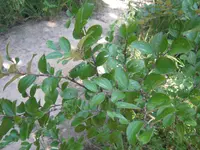
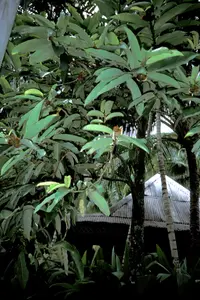
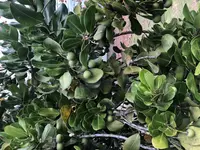
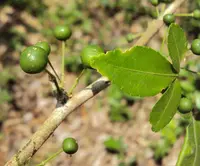
Naringi crenulata is a small, thorny tree or large shrub from the citrus family, often used for hedges and sometimes trained as bonsai. It typically has dense, fine foliage, small glossy leaflets, and a compact, branching habit that can be pruned into neat shapes.

This species is native to parts of South and Southeast Asia, where it grows in warm, seasonally dry habitats. Its toughness, slow to moderate growth, and tolerance of pruning can make it fairly manageable, though the thorns require careful handling.

Those who care for Naringi crenulata usually provide bright light, a well-drained, slightly gritty soil mix, and moderate, steady moisture without prolonged waterlogging.

Main Plant Requirements

Care Difficulty

Moderate Care

Light Preference

Full Sun

Water Requirements

Moderate Water

Temperature Preference

Tropical / Frost Sensitive

Hardiness Zone

10–12

Soil Texture

Sandy, Loamy, Organic-rich

Soil pH

Acidic (5.5–6.5), Slightly acidic (6.5–7.0)

Soil Drainage

Well-drained

Fertilization

Minimal (feed rarely)

Get Personalized Care Plan

Scan your plant to receive care tips personalized for your specific plant

Available on iOS and Android

How to Care for the Naringi crenulata

This thorny citrus relative thrives in bright outdoor conditions with some protection from harsh midday sun.

  • Provide 4–6 hours of direct morning sun plus bright light the rest of the day; light afternoon shade helps prevent leaf scorch in hot climates.
  • Plant Naringi crenulata where it receives dappled or filtered light from taller trees if summer temperatures are intense.
  • Watch growth and foliage color: sparse, leggy shoots indicate too little sun, while bleached, crispy leaf edges signal excessive direct afternoon sun.

This shrub prefers evenly moist but not saturated soil, adjusting watering to climate and soil type.

  • Water deeply when the top 3–5 cm of soil feels dry, allowing moisture to reach the full root zone rather than giving frequent shallow drinks.
  • In hot, dry months increase checks of soil moisture, while in cooler or rainy seasons extend intervals to avoid standing water and root rot.
  • Leaves yellowing from the bottom with soft, soggy soil indicate overwatering, while dull, curling, or dropping leaves with dry, hard soil signal underwatering.

This species grows best in warm, frost-free climates with moderate seasonal variation.

  • Aim for active growth in 68–86°F (20–30°C), which supports healthy foliage and flowering without stressing the plant.
  • Protect from cold below 40°F (4°C); prolonged exposure near 32°F (0°C) can damage young shoots, and hard frost may kill tender plants.
  • In hot regions, plants tolerate brief peaks to 95–100°F (35–38°C) if soil moisture is maintained and roots are mulched to buffer temperature swings.

This species handles a fairly wide humidity range but benefits from moderately humid air in hot periods.

  • Target 40–60% humidity; it generally tolerates brief drops to 30% if soil moisture is stable.
  • Dry air stress shows as leaf-edge browning, curling, and slow new growth despite adequate watering.
  • Increase humidity by grouping plants outdoors in sheltered spots, using a nearby water tray, or light misting in very dry, hot weather.

This plant prefers a well-aerated, moderately fertile, fast-draining mix to support steady woody growth.

  • Use a sandy-loam style mix, for example 50% composted bark or peat-free compost, 25% coarse sand, and 25% perlite for strong drainage and root aeration.
  • Aim for slightly acidic to neutral pH around 6.0–7.0, avoiding strongly alkaline substrates that can limit nutrient uptake.
  • In heavy native soil, improve structure by mixing at least 30–50% coarse sand or grit plus perlite before planting or potting Naringi crenulata.
  • Avoid compacted, waterlogged, or high-clay soils, which promote root rot and weak, chlorotic foliage.

This species is suitable for container growing, especially in warmer climates and for space-limited gardens.

  • Choose a deep, heavy pot to anchor the woody root system and prevent tipping in strong winds as the canopy develops.
  • Select thick-walled terracotta or similar porous material if extra evaporation is needed to prevent chronically wet roots.
  • Elevate the pot on feet or bricks so drainage holes clear freely and excess water does not pool under the container.

This citrus relative benefits from light, balanced feeding during active growth but does not require heavy fertilization.

  • Use a balanced NPK fertilizer (such as 10-10-10) at 1/2 strength every 4–6 weeks in spring and summer.
  • Alternatively, apply a thin layer of well-rotted compost over the root zone once in spring.
  • For container-grown Naringi crenulata, a slow-release citrus formula in early spring supports steady growth.
  • Stop feeding in fall and winter to allow natural rest and prevent soft, cold-sensitive growth.

Thoughtful pruning keeps this thorny shrub small, dense, and easier to manage.

  • Carry out main pruning in late winter or very early spring, before strong new growth starts.
  • Remove dead, diseased, crossing, and very weak shoots first to open the canopy.
  • Shorten overly long or crowded branches to maintain shape and improve light penetration, which supports flowering.
  • Use clean, sharp bypass pruners and make cuts just above outward-facing buds or branch junctions.

This species is usually grown in the ground, but container plants or young specimens sometimes need transplanting.

  • Plan transplanting or repotting for late winter to early spring, when growth is about to resume.
  • Check for roots circling the pot, water running straight through, or stalled growth as signals to move up 1 pot size.
  • Lift carefully, loosen circling roots gently, and set the plant at the same depth in free-draining, slightly sandy soil.
  • Water thoroughly after transplanting, then keep soil evenly moist and shaded from harsh sun for 1–2 weeks to limit stress.

Propagation of this thorny species is usually done from seeds or semi-hardwood cuttings.

  • Sow fresh, cleaned seeds in spring in a well-drained, sandy mix; keep at 70–80°F with lightly moist, not wet, conditions.
  • Take semi-hardwood cuttings in late spring to summer, 8–12 cm long, with 2–3 nodes.
  • Dip cut ends in rooting hormone and place in a coarse, well-aerated medium under high humidity and bright, indirect light.
  • Provide bottom heat if possible and avoid overwatering to reduce rot and encourage steady root formation.

This subtropical shrub dislikes prolonged frost and benefits from simple winter precautions in cooler regions.

  • In mild climates, a layer of organic mulch 5–8 cm deep around the root zone helps buffer soil temperature.
  • In areas with light frost, wrap young stems with breathable horticultural fleece during the coldest nights.
  • Grow Naringi crenulata in containers in colder zones and move plants indoors or into a frost-free greenhouse before hard freezes.

Care Tips

Encourage Bushy Form

Pinch or clip back soft new shoots by 1–2 in during active growth to encourage more lateral branching and a denser, more compact canopy.

Support Thorny Branches

If training as a bonsai or patio specimen, use soft horticultural wire or stretchy tape to gently guide thorny branches while they are still flexible, checking monthly so the material does not cut into the bark.

Salt‑Sensitive Placement

Site plants away from roads, driveways, or areas exposed to de-icing salt or coastal spray, as buildup of soluble salts in the root zone can burn leaf margins and stunt growth.

Winter Container Protection

For plants grown in pots in cooler regions, move containers against a sheltered wall and wrap the pot with insulating material for winter so roots do not experience rapid freeze–thaw cycles.

Targeted Citrus Pest Checks

Inspect young flushes of foliage and shoot tips every 1–2 weeks for scale insects, leaf miners, and aphids, and treat early with horticultural oil or insecticidal soap according to label directions when caring for Naringi crenulata.

Common Pests and Diseases

Citrus leaf miner

This pest tunnels inside young leaves, causing silvery, winding trails and distorted new growth on this citrus relative.

Solution

Prune and destroy heavily infested young shoots, avoid excess nitrogen that drives very soft new growth, and use horticultural oil on emerging flushes to deter egg-laying; for persistent outdoor infestations, time treatments to new leaf flush and encourage natural predators by avoiding broad-spectrum insecticides.

Citrus psyllid

These insects suck sap from tender shoots, causing leaf curling, yellowing, and sooty mold from their honeydew, and can vector serious citrus diseases in regions where they occur.

Solution

Regularly inspect new growth, prune out and dispose of infested tips, and wash foliage with a firm stream of water; in outdoor plantings, use yellow sticky traps for monitoring and apply targeted insecticidal soap or horticultural oil to young shoots while avoiding sprays during peak pollinator activity.

Citrus canker

This disease produces corky, raised, yellow‑halo lesions on leaves, twigs, and sometimes fruit, leading to premature leaf and twig drop in susceptible citrus species and close relatives.

Solution

Promptly prune and destroy infected twigs and leaves, disinfect pruning tools between cuts, and minimize leaf wetness by improving air circulation and avoiding overhead watering; in regions where the disease is established, follow local guidelines for resistant planting material and copper-based protectant sprays on outdoor trees.

Citrus scab

This disease causes rough, scabby, wart‑like lesions on young leaves, twigs, and fruit, which can distort growth and reduce ornamental quality in landscape or bonsai specimens.

Solution

Remove and discard infected leaves and twigs, prune for better airflow, and keep foliage as dry as possible by watering at the soil level; in humid outdoor climates, preventive copper‑based sprays during early leaf and fruit development can reduce new infections as part of broader Naringi crenulata care instructions.

Scale insects

These insects attach to stems and leaf midribs as small, immobile bumps, sucking sap and causing yellowing, leaf drop, and sticky honeydew that can support sooty mold growth.

Solution

Gently scrape or wipe scales off with a soft cloth or cotton swab dipped in alcohol, then wash the plant thoroughly; for heavier outdoor infestations, apply horticultural oil during crawler stages and repeat at label intervals while monitoring plants closely for reinfestation.

Interesting Facts

Spiny citrus relative

This species belongs to the citrus family (Rutaceae) and develops stout, sharp spines along its branches, a defensive trait that helps protect foliage and fruits from browsing animals in its native habitats.

Seasonal leaf behavior

In many parts of its range, this small tree behaves as semi-deciduous, shedding part or most of its foliage during drier or cooler periods and then flushing new leaves with the return of favorable moisture and temperature.

Specialist host for butterflies

Its leaves serve as a larval food plant for certain swallowtail butterflies, including species in the genus Papilio, linking the shrub directly to local pollinator and insect biodiversity.

Botan icon

Did you know?

The small, orange to yellow fruits of this shrub are technically true citrus relatives and contain aromatic essential oils in their peel, which has led to their occasional use in traditional culinary flavoring and as a minor rootstock or experimental material in citrus breeding research.

FAQs about Naringi crenulata

This species can be grown indoors in bright light and a warm room, but it performs better outdoors in most climates. Indoors it stays smaller, may flower less, and needs careful pruning to control size.

Grow Healthy Plants with Botan Care

Keep your plants happy and healthy with plant identification, disease detection, and easy care guidance.

Botan plant care app — identify plants on mobile

Explore More Plants