Moreton Bay pine Care (Araucaria cunninghamii)

Also known as: Hoop Pine, Moreton Bay pine; Hoop Pine, Colonial Pine, Dorrigo Pine, Richmond River Pine, Hoop Araucaria
Moreton Bay pine

About Moreton Bay pine

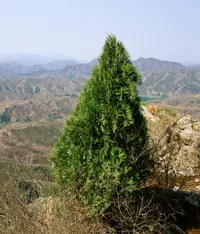
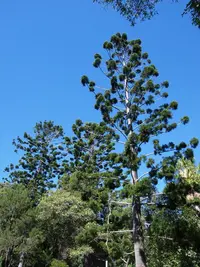
Moreton Bay pine (Araucaria cunninghamii) is a tall, evergreen conifer native to eastern Australia and parts of New Guinea. In nature it forms a straight trunk with whorled, horizontal branches, creating a narrow, formal outline.

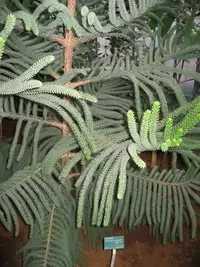
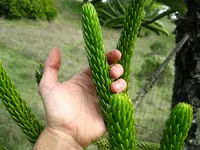
The foliage is made of small, scale-like leaves pressed close to the stems, giving the tree a fine, textured look rather than the soft needles of many pines. It is commonly grown as a timber tree outdoors in mild climates and as a container specimen when young.

This species prefers bright light, even moisture, and well-drained, slightly acidic soil. Once basic conditions are met, it is moderately easy to care for Moreton Bay pine, though it dislikes drying out completely or standing in water.

Main Plant Requirements

Care Difficulty

Moderate Care

Light Preference

Full Sun

Water Requirements

Moderate Water

Temperature Preference

Warm Climate

Hardiness Zone

10–11

Soil Texture

Sandy, Loamy, Organic-rich

Soil pH

Acidic (5.5–6.5), Slightly acidic (6.5–7.0)

Soil Drainage

Well-drained

Fertilization

Minimal (feed rarely)

Get Personalized Care Plan

Scan your plant to receive care tips personalized for your specific plant

Available on iOS and Android

How to Care for the Moreton Bay pine

Araucaria cunninghamii needs bright outdoor light similar to open coastal or park conditions.

  • Provide 6–8 hours of sun daily, ideally with morning sun and some light afternoon shade, especially in hot inland areas.
  • Young or newly planted Moreton Bay pine benefits from filtered light or partial shade during the first 1–2 summers to prevent needle scorch.
  • Insufficient light causes sparse, elongated growth; excessive harsh afternoon sun in very hot climates can brown needles, so use nearby trees or structures for light protection.

This species prefers evenly moist but not waterlogged soil once established.

  • Allow the top 3–5 cm of soil to dry before deep watering, then soak the root zone thoroughly and let excess water drain away.
  • In summer, monitor weekly and water when needles feel less firm and soil is dry at finger depth; in cool or rainy seasons, reduce frequency significantly.
  • Signs of overwatering include yellowing, soft needles and sour-smelling soil, while crisp browning tips and very dry soil indicate underwatering; soil must drain freely.

This conifer prefers mild, frost-free climates with only moderate seasonal swings.

  • Optimal growth occurs around 65–80°F (18–27°C), with stable, moderate temperatures supporting dense, symmetrical branching.
  • Mature trees tolerate brief drops near 28–30°F (-2 to -1°C), but young plants can be damaged by light frost and should be protected until well established.
  • Heat tolerance is good up to about 90–95°F (32–35°C) if soil moisture is maintained; prolonged hard frost or freezing winds can cause needle burn and dieback.

This species prefers moderate humidity but usually adapts to typical indoor air.

  • Aim for 40–60% humidity; Moreton Bay pine tolerates short dips lower but may dry at heated indoor sites.
  • Crisping needle tips or accelerated browning on inner branches often indicates air that is too dry.
  • Place the pot on a pebble tray with water or group plants together to slightly raise local humidity without wetting foliage.

Araucaria cunninghamii prefers a light, well‑structured mix that drains freely yet holds modest moisture.

  • Use a sandy or loamy mix with 30–40% coarse materials such as pine bark, perlite, or pumice to prevent compaction.
  • Aim for slightly acidic to neutral pH around 5.5–7.0, avoiding strongly alkaline mixes that limit nutrient uptake.
  • Incorporate only modest organic matter, such as a small portion of composted bark, to avoid waterlogged, heavy peat-based substrates.
  • Avoid dense clay, poorly drained sites, or mixes that stay wet for more than 2–3 days after watering, which encourages root rot.

This species can be grown in containers for many years if the pot choice manages its tall, eventually top-heavy growth.

  • Choose a deep, heavy container (for example thick-walled ceramic) to counter tipping as the crown becomes taller and heavier.
  • Select a pot just large enough for current root spread to reduce water retention in excess substrate volume.
  • Elevate the container slightly on pot feet or blocks so drainage holes clear the ground and excess water escapes freely.

This species benefits from light, consistent feeding but grows acceptably in poor soils if otherwise well cared for.

  • Apply a balanced slow-release fertilizer (for example 10-10-10) at half label rate once in early spring and again in mid-summer.
  • For container-grown Moreton Bay pine, use a diluted balanced liquid feed at 1/4–1/2 strength every 4–6 weeks during active growth.
  • Avoid high-nitrogen lawn fertilizers around the root zone, which can cause weak, overly lush shoots.
  • Stop feeding in late summer or early fall so new growth can harden before winter conditions.

Araucaria cunninghamii needs minimal pruning and is usually shaped by its natural, symmetrical habit.

  • Carry out any pruning in late winter or very early spring before active growth starts.
  • Remove only dead, diseased, storm-damaged, or badly crossing branches using clean, sharp bypass pruners or a pruning saw.
  • Avoid cutting the central leader, since this permanently alters the tree’s form and can cause weak structure.
  • Make small, clean cuts just outside the branch collar to reduce the risk of decay and pest entry.

This conifer is most often grown in the ground, so focus on careful transplanting rather than frequent repotting.

  • Transplant young trees in late winter or early spring when soil is workable and temperatures are mild.
  • Look for signs such as roots circling the container, water running off quickly, or noticeably slowed growth in pots.
  • When transplanting, handle the root ball gently, keep roots shaded and moist, and plant at the same depth as before.
  • Water deeply after planting and maintain consistent moisture for several weeks to reduce transplant shock and support root establishment.

Propagation of Araucaria cunninghamii is possible but slow and usually handled by specialists or nurseries.

  • Seed propagation is most common; sow fresh seed in late winter to early spring in a well-drained, slightly acidic mix.
  • Provide warm, stable temperatures around 68–75°F, bright indirect light, and consistent but not saturated moisture for germination.
  • Semi-hardwood cuttings root poorly; if attempted, use a rooting hormone, bottom heat, and high humidity in a sterile medium.
  • Expect slow development and low success rates, so plan for more seed or cuttings than the final number of plants needed.

This species suits mild, frost-free or only lightly frosty climates and needs protection in colder regions.

  • In ground, it tolerates light frost but not prolonged hard freezes, so choose a sheltered microclimate in cooler areas.
  • Apply 5–8 cm of organic mulch around the root zone, keeping it slightly away from the trunk to insulate soil.
  • For container plants in cold zones, move pots indoors or into an unheated but frost-free greenhouse for winter.

Care Tips

Early leader training

On young trees, select a single straight central leader and gently stake it for 1–2 years so the trunk develops strong apical dominance and the characteristic tall, columnar form.

Wind exposure conditioning

Gradually increase exposure to steady, moderate wind during the first 2–3 seasons so the trunk and root flare strengthen, but provide temporary windbreaks in sites with sudden, strong gusts to prevent lean or snap.

Root zone protection

Maintain a wide, undisturbed mulched ring around the trunk and avoid foot traffic or paving over the root zone, as soil compaction seriously reduces anchorage and long‑term stability in this species.

Branch clearance planning

Plan lower branch removal in stages over several years, cutting no more than 1–2 major lower branches per season, to slowly raise canopy height without stressing the tree or causing excessive resin bleed.

Proactive pest monitoring

Inspect branch whorls and trunk junctions a few times per year for scale insects, borers, or sooty mold, and treat localized issues early with targeted horticultural oil or systemic products suited to conifers when caring for Moreton Bay pine.

Common Pests and Diseases

Scale insects

This pest feeds on sap along stems and needles, causing yellowing, thinning foliage, and general decline, especially in stressed or container-grown trees.

Solution

Prune out heavily infested twigs, then wipe or gently scrub remaining pests from bark and needles with a soft brush and mild soapy water; for larger outdoor trees, use horticultural oil sprays during crawler stages, and keep the tree well watered and fertilized so it can tolerate minor infestations.

Pine aphids

These insects cluster on young shoots and underside of needles, extracting sap and producing sticky honeydew that can lead to sooty mold on Moreton Bay pine foliage.

Solution

Dislodge colonies with a strong but controlled stream of water, encourage natural predators such as lady beetles in outdoor plantings, and use insecticidal soap or light horticultural oil on reachable branches, repeating applications until new growth appears clean and unaffected.

Needle blight

This disease causes browning from the needle tips inward, often starting on lower branches where humidity is higher and air movement is low.

Solution

Remove and dispose of affected needles and dying lower branches, avoid overhead watering, improve airflow by thinning nearby vegetation, and in severe or recurring cases consider a registered fungicide labeled for conifer needle blights, applied according to local regulations and timing recommendations.

Canker disease

This disease creates sunken, resinous lesions on branches or the main stem, leading to dieback beyond the infected area and sometimes girdling of young trees.

Solution

Prune out infected branches at least 15–20 cm below visible symptoms during dry weather, disinfect cutting tools between cuts, reduce drought and heat stress through consistent watering and mulching, and avoid trunk injuries that can serve as infection courts; remove and replace severely girdled trees.

Spider mites

These pests thrive in hot, dry conditions and cause fine stippling, dull foliage color, and in heavy infestations fine webbing between needles and small twigs.

Solution

Increase humidity around container or indoor specimens, hose down foliage thoroughly to wash off mites, and apply insecticidal soap or miticidal horticultural oil to all needle surfaces, repeating on the recommended interval until new growth remains free of damage, which is a key part of Araucaria cunninghamii plant care in dry climates.

Interesting Facts

Southern Hemisphere conifer

This species is native to coastal rainforests of eastern Australia and parts of New Guinea, where it naturally grows on warm, humid sites from near sea level into upland slopes.

Remarkably straight timber

The tree develops a tall, straight trunk with relatively fine, even-textured wood, which has made it an important plantation timber species in Australia for plywood, joinery, and general construction.

Longevity in plantations

In managed plantations, individuals can be grown on long rotations, and the species is valued because it maintains good form and wood quality as it ages compared with several faster-growing softwoods.
Botan icon

Did you know?

Mature trees of Araucaria cunninghamii in optimal native rainforest conditions can reach over 60 m in height, making this species one of the tallest conifers in Australia and a visually dominant emergent in the forest canopy.

FAQs about Moreton Bay pine

In suitable outdoor conditions, this species is moderately fast-growing, often adding 30–90 cm in height per year when young. Growth slows with age. Container plants grow more slowly due to root restriction and limited resources.

Grow Healthy Plants with Botan Care

Keep your plants happy and healthy with plant identification, disease detection, and easy care guidance.

Botan plant care app — identify plants on mobile

Explore More Plants