Early leader training
In the first 3–5 years, select one strong central leader and lightly remove or shorten competing upright shoots in late winter to maintain a stable, wind‑resistant structure.


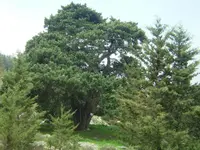
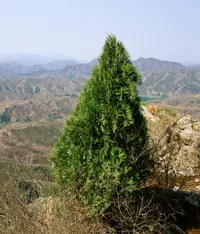
Chinese larch, Larix potaninii, is a cold-hardy, deciduous conifer that drops its needles in winter. It forms a tall, narrow to broadly conical tree with soft, light green spring needles that turn golden before falling. Cones are small and often persist on the branches, adding visual interest. This species is native to high mountain regions of China, where it experiences cool summers, cold winters, and well-drained, often rocky soils. It suits growers who can provide full sun, consistent moisture without waterlogging, and space for long-term development. For gardeners learning how to care for Chinese Larch, the main challenges are its need for cool conditions and dislike of prolonged heat or soggy soil.

Care Difficulty
Moderate Care

Light Preference
Full Sun

Water Requirements
Regular Water

Temperature Preference
Cold Hardy

Hardiness Zone
5–7

Soil Texture
Loamy, Sandy, Rocky

Soil pH
Strongly acidic (4.5–5.5), Acidic (5.5–6.5)

Soil Drainage
Moist but well-drained

Fertilization
Minimal (feed rarely)
Scan your plant to receive care tips personalized for your specific plant
Available on iOS and Android
This high-altitude conifer thrives in cool, bright outdoor conditions with strong seasonal light changes.
This species prefers consistently moist, cool soil but is sensitive to stagnant water.
This cold-hardy conifer is adapted to cool summers and very cold winters with a marked seasonal temperature shift.
This species is adapted to cool, relatively dry mountain air and usually does not need special humidity control.
Larix potaninii prefers cool, moist but free-draining mineral soils that never stay waterlogged.
This conifer can be grown in containers for many years when root space and drainage are carefully managed.
Larix potaninii generally needs modest feeding when grown in containers or nutrient-poor soils.
Larix potaninii benefits from light, strategic pruning to maintain structure and health.
This species is usually grown in the ground, so focus on careful transplanting rather than frequent repotting.
Propagation of Larix potaninii is possible but slow and is mainly done from seed by nurseries.
This cold-hardy deciduous conifer usually needs little special winter care once established in the landscape.

Plant Health Check
Not sure what's wrong with your plant? Check your plant's health inside the app.
This species is native to high-elevation regions of the eastern Himalayas and adjacent mountains, often forming forests on cold, steep slopes where few other conifers thrive.
Unlike most conifers, it sheds its needles in winter, an adaptation that reduces water loss and damage from snow and ice at high altitudes.
It often acts as a pioneer or early successional species in subalpine zones, helping stabilize soils and create conditions that allow other tree species and understory plants to establish.

Larix potaninii is considered the southernmost naturally occurring larch species in Asia, extending into high mountains of southwestern China and nearby regions where no other native larches reach so far south.
Brown needles usually result from drought stress, wind scorch, or root damage. Check soil moisture, mulching, and recent transplanting. Some browning on older inner needles in autumn is normal, as this deciduous conifer sheds foliage seasonally.
Keep your plants happy and healthy with plant identification, disease detection, and easy care guidance.