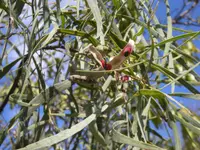
Swamp Laurel Oak Care (Quercus laurifolia)

Also known as: Diamond Leaf Oak, laurel oak, Darlington Oak, water oak, obtusa oak, Diamond Oak
Swamp Laurel Oak

About Swamp Laurel Oak

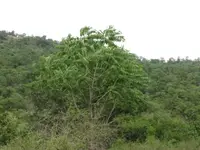
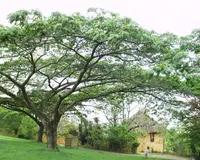
Swamp laurel oak, Quercus laurifolia, is a fast-growing deciduous to semi-evergreen oak native to the southeastern United States. It typically forms a tall, rounded shade tree with a straight trunk and dense crown.

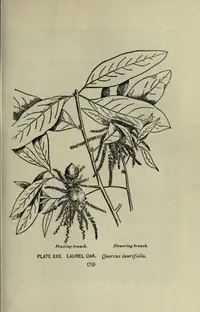
Leaves are narrow, glossy, and laurel-like, giving the tree a softer look than many other oaks. Acorns are small and produced in quantity, supporting wildlife and natural regeneration.

This species favors warm, humid climates, moist to wet soils, and full sun, which makes it common along streams, lowlands, and floodplains. For those wanting to care for Swamp Laurel Oak, its main challenges are its eventual large size, need for ample space, and preference for consistently moist conditions rather than prolonged drought.

Main Plant Requirements

Care Difficulty

Moderate Care

Light Preference

Full Sun

Water Requirements

Regular Water

Temperature Preference

Warm Climate

Hardiness Zone

7–9

Soil Texture

Sandy, Loamy, Clay

Soil pH

Strongly acidic (4.5–5.5), Acidic (5.5–6.5)

Soil Drainage

Moist but well-drained

Fertilization

Minimal (feed rarely)

Get Personalized Care Plan

Scan your plant to receive care tips personalized for your specific plant

Available on iOS and Android

How to Care for the Swamp Laurel Oak

This species thrives in full sun but also tolerates light shade in warm, humid climates.

  • Provide 6–8 hours of direct sun daily for strongest growth, ideally with morning sun and some light afternoon shade in hotter regions.
  • Young Swamp Laurel Oak trees tolerate partial shade (around 3–4 hours direct sun) but may grow more slowly and develop a looser crown.
  • Avoid extreme reflected heat from pavement or walls, and ensure open exposure in winter so the canopy receives as much low-angle sunlight as possible.

This bottomland oak prefers consistently moist soil but does not need standing water to stay healthy.

  • In the ground, aim for soil that stays evenly moist; allow only the top 2–5 cm to dry slightly between significant rain or irrigation events.
  • During hot, dry periods, increase deep watering and check soil with a trowel; leaves that scorch at the edges and curl can indicate drought stress in Quercus laurifolia.
  • Watch for yellowing leaves and soft, dark roots as signs of waterlogged soil, and improve drainage slightly if water pools for more than 24 hours after rain.

This southeastern oak is adapted to warm, humid climates with mild winters and hot summers.

  • Optimal growth occurs around 70–90°F (21–32°C), common in USDA zones 8–10 where the growing season is long and warm.
  • Mature trees tolerate brief drops to about 15–20°F (-9 to -6°C), but young trees benefit from protection during hard freezes and cold winds.
  • The species handles summer heat above 95°F (35°C) if soil moisture is adequate; prolonged frost or sudden hard freezes can damage new shoots and twigs.

This species is adaptable and humidity is usually not a critical factor outdoors in its normal range.

This species prefers moist, deep, well-aerated soils that support extensive root development.

  • Use a loamy, organic-rich soil with a mix of mineral particles and decomposed plant material to supply nutrients and retain even moisture.
  • Ensure soil drains freely yet stays consistently damp; avoid compacted clay that holds water around roots for long periods.
  • Aim for slightly acidic to neutral pH, roughly 5.5–7.0, which supports healthy nutrient uptake for Quercus laurifolia.
  • Improve aeration and drainage by incorporating coarse sand or fine pine bark into heavier native soil before planting.

This species is generally unsuited to long-term container growing because of its large size and deep root system.

This native oak usually grows well in average soil, but light feeding can support establishment and young tree growth.

  • Use a balanced slow-release fertilizer (for example 10-10-10) or a thin layer of compost over the root zone in early spring.
  • Apply once per year during the growing season for young Swamp Laurel Oak trees; mature trees in good soil often need no added nutrients.
  • Reduce or skip feeding in fall and winter when growth slows, especially in cooler climates.
  • If using liquid fertilizer, apply at half the label strength to avoid salt buildup and root burn.

Pruning Quercus laurifolia focuses on safety, structure, and removal of unhealthy wood rather than frequent shaping.

  • Schedule main pruning in late winter to very early spring before active growth begins.
  • Remove dead, diseased, crossing, or storm-damaged branches using clean, sharp bypass pruners or a pruning saw.
  • Thin crowded interior branches lightly to improve air flow and light penetration without over-opening the canopy.
  • Maintain a strong central leader and well-spaced scaffold branches to encourage a stable, long-lived structure.

This oak is usually grown in the ground, so care focuses on transplanting container-grown young trees correctly.

  • Transplant in late fall or early spring when the tree is dormant and air is cool but soil is workable.
  • Look for circling roots at the pot edge; gently tease them outward and trim only tightly bound sections to reduce girdling.
  • Set the tree at the same soil level as in the container, spreading roots into a wide planting hole and backfilling with native soil.
  • Water deeply after planting, keep soil evenly moist for the first growing season, and add a 5–8 cm mulch ring kept away from the trunk.

Sexual propagation of this species is done mainly by seed, while vegetative methods are uncommon and more technical.

  • Collect healthy acorns from Quercus laurifolia in fall and discard any that float in water, as they are often non-viable.
  • Sow fresh acorns 2–5 cm deep in a well-drained, slightly acidic medium and keep evenly moist, not waterlogged.
  • Provide cool but not freezing conditions over winter to satisfy natural chilling needs and encourage spring germination.
  • Protect young seedlings from rodents and heavy disturbance, then transplant carefully once a strong taproot and several leaves develop.

In mild to warm climates this oak needs minimal winter care once established, but young or container plants benefit from some protection.

  • Quercus laurifolia is best suited to areas with light frost; sustained hard freezes can damage young growth.
  • Apply 5–8 cm of mulch over the root zone in late fall to buffer soil temperature and moisture swings.
  • Move container-grown trees into a sheltered, frost-free but bright location if temperatures are expected to drop well below freezing.

Care Tips

Early structural training

In the first 3–5 years, select a single strong central leader and remove competing upright shoots during late winter to build a stable trunk structure that resists storm breakage later in life.

Wind-firm root development

For young trees in windy sites, use 2–3 low, flexible stakes placed outside the root ball and loosely tie the trunk so it can still sway, which encourages deeper, stronger roots instead of a weak, anchored trunk.

Mulch management ring

Maintain a 60–120 cm wide mulch ring kept 5–8 cm deep and pulled 5–10 cm back from the trunk to conserve moisture, protect surface roots from mowers, and reduce soil compaction around the tree.

Flooding and drainage checks

In naturally wet sites, monitor standing water duration after heavy rain and, if saturation persists beyond 7–10 days, create shallow surface channels or swales to move water away from the root flare and prevent chronic root stress.

Branch clearance planning

Plan and gradually raise the canopy by removing or shortening low branches over several years, starting when the tree is young, so the trunk clears paths, driveways, or structures without needing heavy pruning cuts later when caring for Swamp Laurel Oak.

Common Pests and Diseases

Oak leaf blister

This disease causes raised, blister-like, pale green to brown patches on the leaves, often making foliage look thickened and distorted. Symptoms include early leaf drop in seasons with extended cool, wet weather.

Solution

Prune and destroy heavily infected leaves and small twigs during dormancy to reduce overwintering spores and improve airflow through the canopy. In landscape settings, a preventive copper or chlorothalonil spray just as buds begin to swell in early spring can reduce infection; once symptoms are visible in the season, focus on good Quercus laurifolia care (watering during drought and avoiding excess nitrogen) rather than spraying.

Oak anthracnose

This disease causes irregular brown lesions along leaf veins, leaf curling, and twig dieback, especially in cool, wet springs. Symptoms include scattered branch tip death and premature defoliation on lower and inner branches.

Solution

Rake and remove fallen leaves and pruned twigs to limit the fungus in the area, and thin nearby vegetation to improve air circulation around the tree. In high-value specimens with a history of severe anthracnose, a certified arborist can time fungicide sprays at bud break and shortly after leaf expansion, combined with proper irrigation and mulch management to reduce stress.

Oak leaf scorch (bacterial)

This disease leads to browning and drying of leaf edges that progress inward, often leaving a yellow band between healthy and scorched tissue. Symptoms include progressive thinning of the canopy over several years as branches decline.

Solution

Prune and destroy dead or severely affected branches during dry weather to reduce stress and improve structure, and avoid overhead irrigation or unnecessary wounding that can help spread bacteria. There is no reliable cure, so management focuses on supporting tree vigor with deep, infrequent watering during drought, maintaining a 5–8 cm mulch layer away from the trunk, and consulting an arborist if decline advances toward major limbs or structures.

Oak gall wasps

These insects induce abnormal growths (galls) on leaves and twigs that appear as small bumps, rounded balls, or spiky structures, often in large numbers. This pest typically causes cosmetic damage but can contribute to twig dieback when populations are very high.

Solution

Prune out and destroy heavily galled twigs during the dormant season to reduce the next generation, and avoid unnecessary fertilization that can stimulate soft new growth attractive to gall wasps. In most landscapes, chemical control is not recommended; long-term management relies on sanitation, maintaining tree health, and allowing natural predators and parasites to regulate populations.

Oak lace bug

These insects feed on the undersides of leaves, causing fine yellow or whitish stippling on the upper surface and leaving dark, varnish-like spots of excrement below. This pest can cause leaves to look bronzed and may lead to premature drop in hot, dry periods.

Solution

Hose down the undersides of leaves with a strong stream of water to dislodge nymphs, focusing on lower and inner branches where infestations start. For persistent issues on smaller or younger trees, horticultural oil or insecticidal soap applied thoroughly to leaf undersides can be effective, while maintaining good soil moisture and avoiding plant stress helps the tree tolerate moderate feeding.

Interesting Facts

Semi-evergreen oak

Swamp laurel oak keeps its foliage much longer than many temperate oaks, often retaining leaves through mild winters in the southeastern US, then replacing them with new growth in early spring.

Floodplain specialist

This species naturally occurs on wet, acidic soils along rivers, swamps, and floodplains, tolerating periodic flooding better than many other oaks that prefer drier, upland sites.

Hybridization tendency

Swamp laurel oak can form natural hybrids with closely related red oaks such as willow oak and water oak, which contributes to variable leaf shapes and can complicate field identification.

Botan icon

Did you know?

In parts of the southeastern US, swamp laurel oak has been widely planted as a fast-growing urban shade tree, but many municipalities now avoid new plantings because its relatively short lifespan and brittle wood can lead to limb drop and higher maintenance needs compared with longer-lived oak species.

FAQs about Swamp Laurel Oak

This species grows relatively quickly for an oak, often adding 30–60 cm in height per year once established. Growth is fastest in deep, moist, acidic soils with full sun exposure and adequate space for the root system.

Grow Healthy Plants with Botan Care

Keep your plants happy and healthy with plant identification, disease detection, and easy care guidance.

Botan plant care app — identify plants on mobile

Explore More Plants