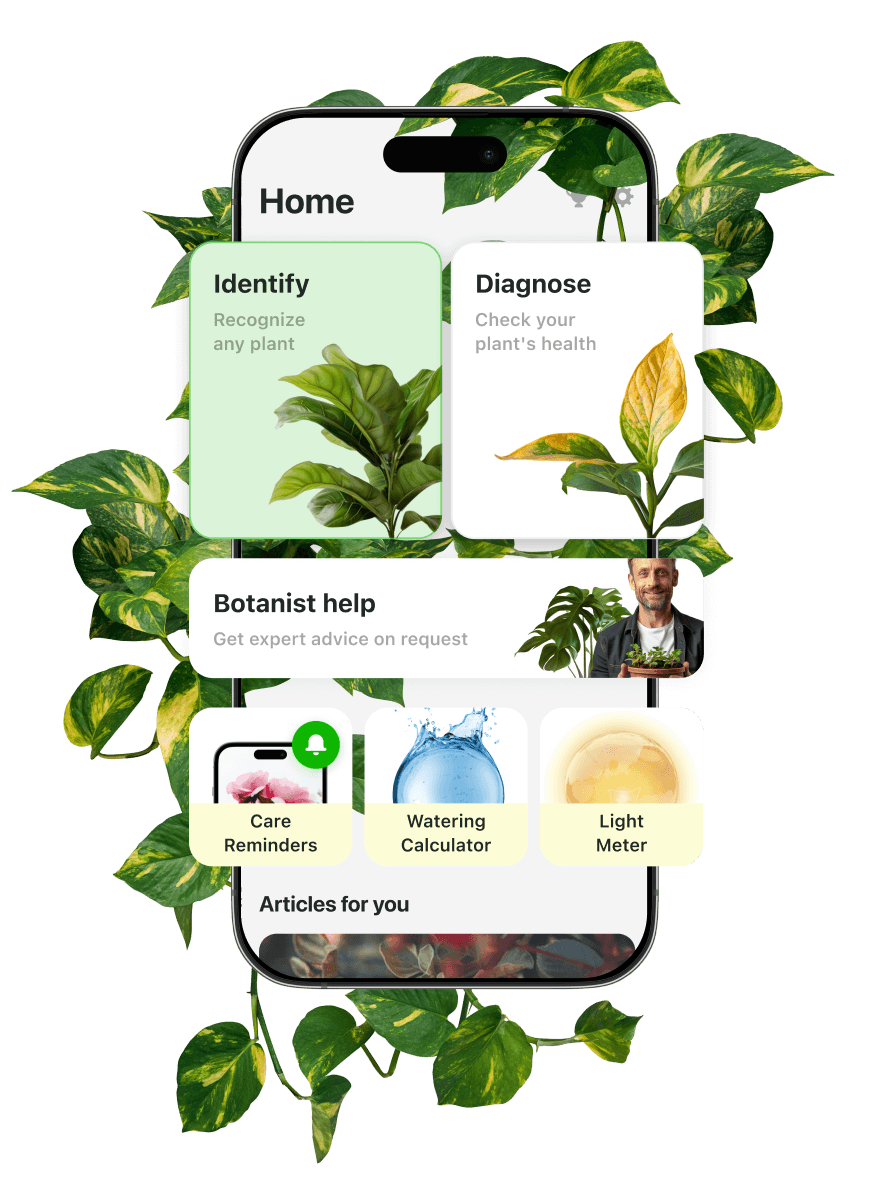
Brown Spots on Basil Leaves: Causes and How to Fix Them
Brown spots can appear after watering mistakes or disease. Cold exposure and pests leave a distinct pattern too. Learn how to diagnose damaged basil and prevent new marks.

On this page
- Why Are Basil Leaves Turning Dark?
- Incorrect Watering and Poor Drainage
- Downy Mildew and Other Fungal Problems
- Bacterial Leaf Spot
- Root Rot and Fusarium Wilt
- Pests
- Excess Sunlight and Heat
- Cold Damage
- Nutrient and Fertilizer Problems
- Natural Aging, Physical Damage, or Spray Injury
- Brown Spots on Indoor vs Outdoor Basil
- How to Treat Basil Leaves Brown Spots
- How to Prevent Brown Spots on Basil Leaves
Few things are more frustrating than picking a fragrant stem and finding brown spots on basil leaves. These marks often come from a care problem or an infection. Their shape and location help separate these causes. Botan can scan damaged foliage and suggest likely problems, while a few quick checks help confirm what changed.
Why Are Basil Leaves Turning Dark?
Brown tissue is dead tissue, so it won’t become green again. However, the pattern can reveal whether the trigger began inside the plant or on the leaf surface. Conditions around it may also leave clues. First, feel whether the spot is crisp or soft. Then look under the leaf and check for new marks.

Incorrect Watering and Poor Drainage
When basil is too dry, leaf tips and edges become crisp. The soil may also pull away from the pot. A badly wilted plant can retain irregular dry patches as you resume watering.
Too much moisture produces a different picture. Leaves may yellow before soft brown areas appear. Meanwhile, constantly wet soil deprives roots of oxygen and encourages rot. A pot without a drainage hole makes this problem far more likely. The Royal Horticultural Society’s basil guide recommends even moisture and morning watering.
Downy Mildew and Other Fungal Problems
Basil downy mildew begins as angular yellow patches between the veins. They later turn brown, while gray-purple fuzz develops underneath. Although people commonly call it a fungus, Peronospora belbahrii is a fungus-like water mould. High humidity helps it spread.
The University of Wisconsin-Madison notes that symptoms usually begin on lower leaves. Gray mold can create soft lesions near wounded stems. Simple drought scorch won’t produce fuzzy growth.
Bacterial Leaf Spot
Typical leaf spot caused by bacteria produces small water-soaked marks that become dark brown or nearly black. Some lesions look angular because veins limit their expansion. A pale yellow margin may develop, and the brittle center can eventually fall out.
Rain splash and overhead watering move bacteria between leaves. Contaminated hands or scissors can spread them too. The guide to Black spots on basil explains how darker symptoms overlap.
Root Rot and Fusarium Wilt
Basil leaves turning brown can be the visible part of a root problem. Root rot follows prolonged waterlogging. The plant wilts despite wet soil, and its roots become brown or mushy.
Fusarium wilt is a soilborne disease that blocks water movement. Growth becomes stunted, and one side may wilt first. The North Carolina Extension basil profile lists Fusarium wilt and downy mildew among important problems of Ocimum basilicum.
Pests
Tiny, evenly sized pits indicate feeding damage. Four-lined plant bugs are especially deceptive. According to the University of Minnesota Extension, they leave dark sunken spots about 1/16 to 1/8 inch wide. The dead centers may later drop out.
Check underneath for aphids or spider mites. Aphids leave sticky honeydew, while mites cause pale stippling. Japanese beetles create larger holes, so their damage soon looks different from isolated basil brown spots.
Excess Sunlight and Heat
Sunscald affects the side that faces the strongest sunlight. Damage looks pale at first, then becomes dry and brown. Tender plants are vulnerable when moved straight outdoors.
Heat makes the injury worse when roots can’t replace water quickly enough. Therefore, acclimate seedlings gradually. In very hot climates, light afternoon shade can protect the foliage.
Cold Damage
Basil loves warmth, and a cold window can be surprisingly harsh. Chilled tissue may look water-soaked at first. It then dries into brown or black patches.
Indoor plants can suffer beside cold glass or under an air-conditioning vent. Outdoors, one chilly night may explain sudden brown spots on basil that don’t spread. The RHS recommends 70-81°F (21-27°C) by day and temperatures above 50°F (10°C) at night in its indoor basil guidance.
Nutrient and Fertilizer Problems
A shortage of nutrients usually causes broad yellowing instead of isolated marks. However, a severe imbalance can lead to brown edges. Poor roots may create similar symptoms because absorption has slowed.
Over-fertilizing is another risk. Excess salts can burn roots and leave tips brown. Don’t add feed just because leaves look unwell. First check moisture and root condition. Resume fertilizing lightly after healthy growth appears.
Natural Aging, Physical Damage, or Spray Injury
Older lower leaves may brown as basil nears the end of its annual cycle. This happens gradually and doesn’t create spreading spots.
Bruises or rough harvesting cause fixed local patches. Concentrated sprays may scorch foliage in strong sun. Meanwhile, dirty pruning tools can carry disease into a wound. Follow product labels and use clean blades.

Fix Plant Problems
Leaves turning yellow or falling off? Find the cause and solutions
Brown Spots on Indoor vs Outdoor Basil
Indoor and outdoor plants can show similar marks, although their exposure histories differ. A windowsill plant often faces poor airflow or a cold draft. Garden basil meets rain and insects directly. It may also contact contaminated soil.
Growing setting | More likely triggers | Useful clues | First response |
Indoor basil | Wet potting mix or weak airflow. Cold glass or a hot grow light | Soft lower leaves suggest excess water. A one-sided dry patch suggests temperature stress | Check the pot and roots. Move the plant away from drafts |
Outdoor basil | Splash-spread disease or insect feeding. Sunscald or a cold night | Expanding lesions suggest infection. Uniform tiny pits suggest bugs | Inspect nearby plants and leaf undersides. Water at the base |
The identify herbs guide can help confirm that a volunteer plant is basil before you diagnose it. Meanwhile, the detailed basil profile makes it easier to compare the plant’s current light and temperature with its normal needs.

How to Treat Basil Leaves Brown Spots
Treatment begins with the cause because no product repairs dead tissue. Work carefully, and judge recovery by clean new leaves rather than by the appearance of the old ones.
- Isolate and inspect the plant. Move potted basil away from other herbs if spots are spreading. Examine both leaf surfaces. Check the roots when the mix stays wet.
- Remove badly damaged growth. Cut affected leaves with disinfected scissors. Avoid aggressive pruning because the plant still needs foliage to recover.
- Correct the root environment. Empty standing water from the saucer. If roots are mushy, trim them and repot into fresh mix. Use a clean container with open drainage holes.
- Adjust light and temperature. Move scorched basil away from intense afternoon rays. Keep chilled plants away from cold glass. Wait for warm weather before you return them outdoors.
- Manage pests precisely. Rinse small aphid colonies off early in the day. For a larger infestation, use insecticidal soap labeled for edible herbs and follow its directions.
- Act firmly on disease. Remove leaves with limited bacterial spotting and stop wetting the foliage. A plant with confirmed downy mildew or Fusarium wilt should be discarded because home treatments won’t cure it.
- Support new growth gently. Keep moisture consistent, but don’t force recovery with fertilizer. Resume light feeding only after healthy shoots appear.
If you’re still wondering why your basil has brown spots, photograph the upper leaf surface and its underside. Take a whole-plant image too. Some plant care apps can help organize symptom checks and care guidance.
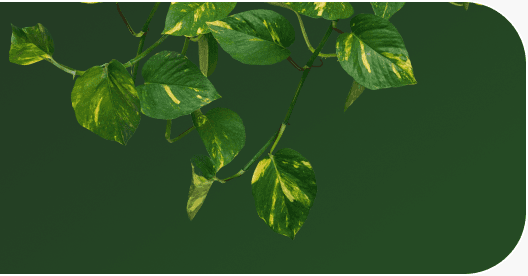
Check What Your Basil Needs
Scan the leaf for practical care guidance
How to Prevent Brown Spots on Basil Leaves
Prevention is mostly about dry foliage and steady moisture for roots. At the same time, regular inspection catches both pests and infection before they spread.
- Water at the base in the morning, and let the upper layer of soil begin to dry before watering again.
- Use a loose growing mix and a container with unobstructed drainage holes.
- Give the plant at least six hours of suitable light, but acclimate tender growth before strong outdoor sunlight.
- Keep indoor pots away from cold drafts, and bring outdoor basil inside before nights fall below 50°F (10°C).
- Leave enough room for air to move, especially where humidity remains high after rain.
- Inspect both sides of the leaves weekly, and act promptly when new spots or pests appear.
- Disinfect scissors between plants, and avoid harvesting when foliage is wet.
- Choose clean seed and downy-mildew-resistant cultivars where the disease returns regularly.
- Feed modestly, since excessive fertilizer can injure roots and create soft growth.
These habits help other leafy edibles too. For example, clean tools and careful watering protect nearby bitter lettuce. Finally, replace contaminated potting mix so the next crop doesn’t inherit the problem.
FAQ
A leaf with one dry spot from sun or cold can be consumed if the rest is fresh. Don’t eat basil that is slimy or moldy, and discard it if it smells bad or has extensive decay.
Alex Yar
Plant Expert
7+ years of experience studying plants, researching their diseases, and examining their characteristics.
Alex is a plant expert and writer with more than 7 years of experience studying plants, their growing requirements, and their responses to environmental conditions. His areas of expertise include plant care, disease recognition, stress diagnosis, pest-related problems, and the distinctive characteristics of different species.
Over the years, Alex has developed a strong practical understanding of how light, temperature, humidity, watering, soil conditions, and nutrition affect plant health. He combines careful observation with in-depth research to explain effective care and recovery methods.
Alex has extensive hands-on experience caring for houseplants. His articles translate complex botanical topics into clear guidance that helps you better understand your plants and recognize early warning signs.
Related Articles
8 min read · 1 Oct 2026
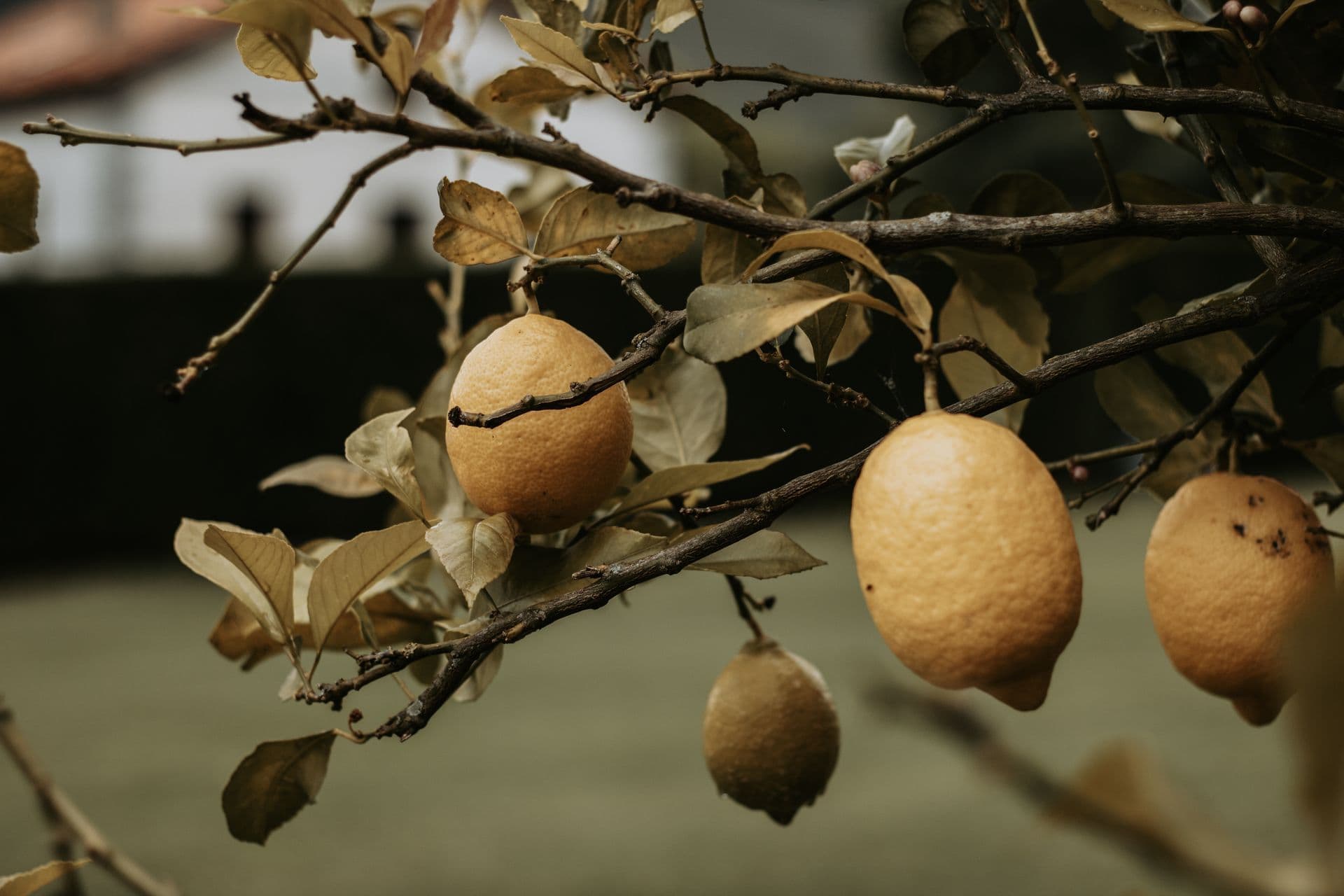
Lemon Tree Leaves Turning Yellow: Causes and How to Fix It
Yellow leaves are one of the most common lemon tree problems. This guide explains eight causes of lemon tree leaves turning yellow, from overwatering to root rot, with a fix for each.
5 min read · 16 Sept 2026
How to Keep Cats Away From Plants: 7 Safe and Effective Methods
Cats may dig in potting soil, chew leaves, or knock containers over. These seven methods combine safer placement, physical protection, a suitable chewing alternative, and play to help protect your plants without putting your cat at risk.
5 min read · 7 Sept 2026
Overwatering vs Underwatering: How to Tell the Difference
Overwatering and underwatering can look almost identical, so they're easy to confuse. In this guide, we'll cover the signs of each, simple ways to tell them apart, and how to treat your plant once you know what's wrong.
Explore Plants by Care Needs
 POPULAR
Dwarf rotala
Rotala rotundifolia
 POPULAR
Japanese pieris
Pieris japonica
 POPULAR
Madagascar palm
Pachypodium lamerei
 POPULAR
Ghost Echeveria
Echeveria lilacina
 POPULAR
Lemon bacopa
Bacopa caroliniana
 POPULAR
Cast Iron Plant
Aspidistra elatior
 POPULAR
Peace Lily
Spathiphyllum wallisii
 POPULAR
Tasteless Stonecrop
Sedum sexangulare
Identify the plant and problem. Help your plant recover
Identify plant problems early, understand what's wrong, and get clear care guidance. Botan helps you turn guesswork into confident plant care