

Chinese Banyan (Ficus microcarpa) Watering Guide

This page explains when, how often, and how much to water Ficus microcarpa for basic, reliable care.

Water Requirements

Moderate Water

Ficus microcarpa Watering

Native to warm, seasonally moist regions, Chinese banyan is adapted to soils that lightly dry between rainfall. Indoors, watering Chinese Banyan means keeping soil slightly moist, never persistently wet or bone-dry for long.

Ficus microcarpa generally prefers moderate, steady moisture with brief drying periods. Outdoor plants usually handle faster surface drying than indoor potted specimens, shaping how to water Chinese Banyan overall.

Water when the top 1–2 inches (3–5 cm) of soil feel dry, a key cue for this species. This usually means watering about every 7–10 days indoors, but treat that as a rough guide only. Warm temperatures or very bright light can shorten the interval, while cooler rooms extend it.

Water Chinese Banyan when the top 1-2 inches (3-5 cm) of soil feel dry, aiming for slow, even saturation.

  • Pour room-temperature water directly onto the soil surface around the trunk, avoiding wetting leaves and stems whenever possible.
  • Add water in stages, allowing it to soak in, until moisture reaches the full depth of the root ball.
  • Ensure the pot’s drainage holes are clear so excess water can flow out freely into the saucer below.
  • After drainage slows, empty the saucer completely so the base of the pot never sits in standing water.

Incorrect moisture levels often stress Ficus microcarpa, leading to several preventable health and appearance problems.

Yellowing Lower Leaves:

Older leaves fade to dull yellow and drop due to prolonged soggy soil suffocating roots.

Sudden Leaf Drop:

Large numbers of leaves fall after soil swings quickly between very dry and saturated.

Root Rot:

Roots smell sour, turn brown, and collapse where dense mix and poor drainage trap water.

Dry, Crispy Leaf Edges:

Leaf margins brown and curl when soil stays too dry relative to bright, drying conditions.

Salt-Crusted Soil Surface:

White crust appears on mix as frequent light watering leaves mineral residues near roots.

Keep the root zone evenly moist, allowing partial drying while preventing both extremes of saturation or drought.

Unsuitable watering habits stress Ficus microcarpa, limiting growth and resilience even when light and temperature are within the ideal range.

  • Watering by calendar: Following a strict schedule often keeps soil too wet or too dry; instead, water only when the top layer feels slightly dry.
  • Heavy, dense potting mix: Using soil that drains poorly traps moisture around the roots; choose a chunky, well‑draining mix designed for indoor trees.
  • Letting runoff sit in saucers: Leaving drainage water in the saucer keeps the root zone saturated; empty saucers within a few minutes after watering.

A safer approach is to combine free‑draining soil, responsive watering based on soil feel, and containers that never hold standing water.

  • Spring: As new growth resumes, check soil a bit more often and water when the top layer is dry but not dusty.
  • Summer: In warm, bright conditions, moisture use rises, so monitor soil closely and water thoroughly once the upper layer loses its surface sheen.
  • Fall: Growth gradually slows; extend the interval between waterings and let the top layer dry slightly deeper before adding water.
  • Winter: In cooler rooms or low light, roots use less water, so wait for a drier top zone and water more sparingly.

Your Chinese Banyan Care Companion

Use Botan for a clear watering guide and step‑by‑step care procedures for Ficus microcarpa, plus gentle photo-based checkups that flag early signs of pests, leaf stress, or other issues.

Botan plant care app — identify plants on mobile

Interesting Watering Facts

Monsoon-season moisture pulse

In parts of its native range in South and Southeast Asia, Ficus microcarpa flushes new leaves and aerial roots after monsoon rains, responding to a short period of abundant moisture followed by drier months. This pattern helps explain its tolerance of brief wet periods followed by moderate drought indoors.


Aerial roots seeking humidity

This species produces aerial roots that form most readily in consistently humid, moist air rather than from wet soil alone. In nature, these roots grow downward during humid seasons to reach moister ground or crevices, eventually forming additional trunk-like supports.

Tolerant of urban drought

Ficus microcarpa is widely planted as a street and park tree in dry, compacted urban soils, especially in subtropical cities. Its extensive, aggressive root system allows it to tap deeper or distant water sources, which is why established trees can withstand extended periods with little rainfall.

FAQ

Yes, bottom-watering is fine if the pot has ample drainage holes and a well-draining mix. Let the soil wick up moisture, then discard leftover water so roots re-oxygenate between waterings.

More Plant Watering Guides

Is Your Watering Routine Hurting Your Chinese Banyan?

Use Botan to review watering patterns and see if adjustments may be needed.

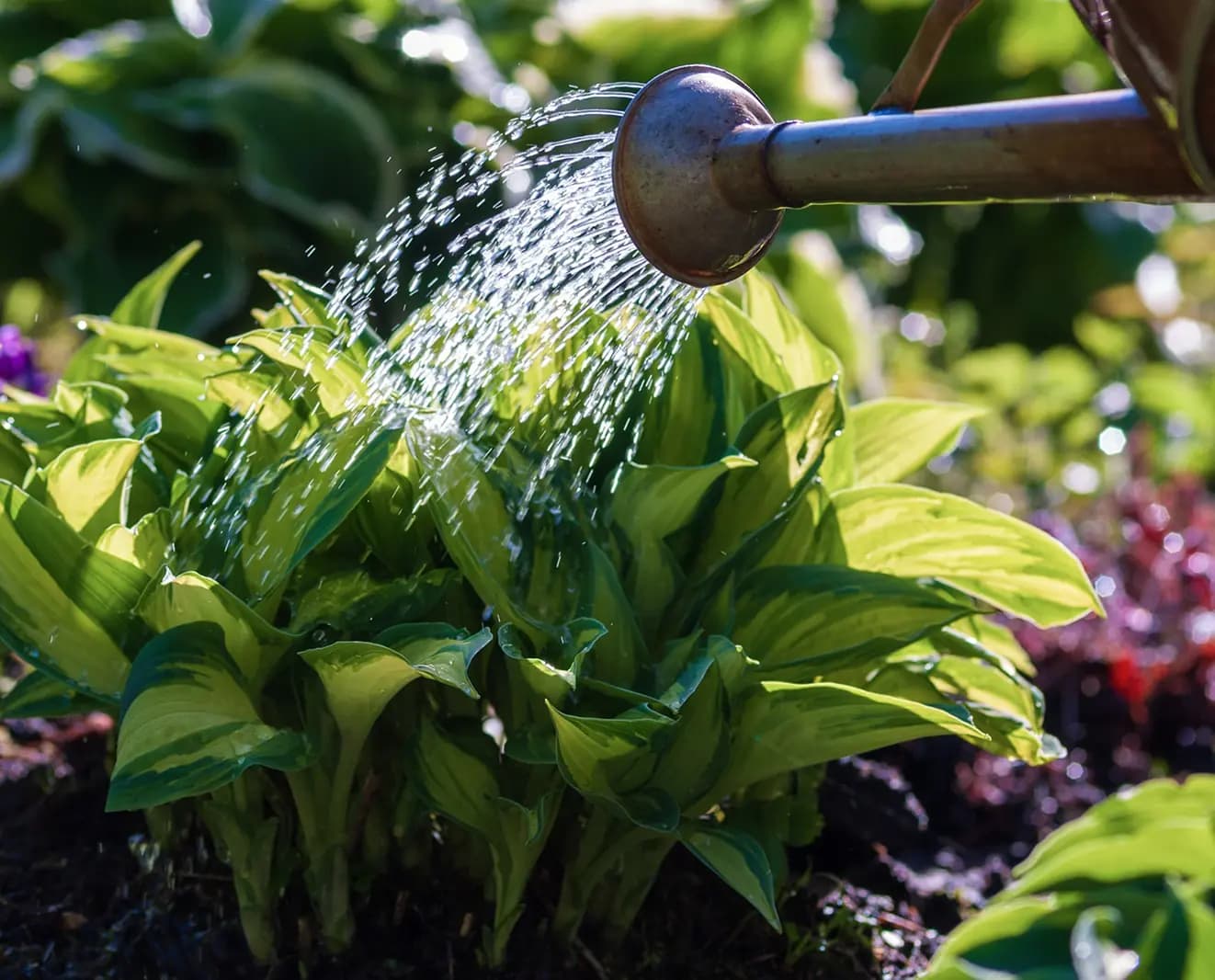
Watering a plant with a copper watering can
Plants That Repel Mosquitoes – 10 Effective Choices

8 min read · 6 Jul 2026

Plants That Repel Mosquitoes – 10 Effective Choices

Plants that repel mosquitoes can help mask human scent naturally and make outdoor spaces more comfortable. Explore the most effective options, their benefits and drawbacks, and choose the right plant for your space.

Plant Recommendations
Plants That Repel Mosquitoes – 10 Effective Choices
How Often to Water Fruit Trees

7 min read · 11 Aug 2026

How Often to Water Fruit Trees

Irrigation needs change as roots establish and weather shifts. This guide gives practical starting intervals, explains how soil and tree type change them, and shows how to recognize both excess moisture and drought stress.

Plant Care
How Often to Water Fruit Trees
20 Most Popular Fruits Around the World

7 min read · 22 Jul 2026

20 Most Popular Fruits Around the World

Curious which fruits the world actually eats the most? Here's the top-20 by production volume, an overview of what people choose in each region, and a few figures that defy common assumptions.

Plant Recommendations
20 Most Popular Fruits Around the World