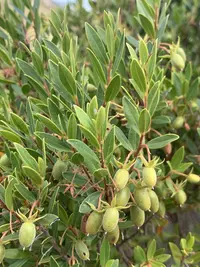


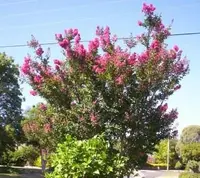
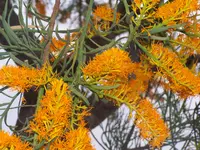
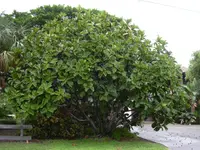
Blueberry Bush (Diospyros glabra) Watering Guide

This page explains when, how often, and how much to water Diospyros glabra in straightforward, practical terms.

Water Requirements

Moderate Water

Diospyros glabra Watering

Native to regions with distinct wet and drier periods, this plant experiences moderate, not constant, soil moisture. For Diospyros glabra, aim for a balance where soil does not stay soggy yet rarely becomes completely parched.

Overall, watering Blueberry Bush should support steady growth with slightly moist conditions that breathe between sessions. In containers, moisture levels fluctuate faster than in-ground plantings, so monitoring soil dryness matters more indoors or on patios.

Let the top 1–2 inches (3–5 cm) of soil dry before watering Diospyros glabra again. This Blueberry Bush type usually needs water more often in hot, bright summer conditions and less often during cooler seasons, so adjust by checking soil dryness rather than following a fixed calendar.

Water Blueberry Bush when the top 1-2 inches (3-5 cm) of soil feel dry, using slow, deep irrigation to re-moisten evenly.

  • Pour water slowly at the base, circling the plant so the entire root zone is evenly soaked.
  • Continue watering until moisture penetrates 6-8 inches (15-20 cm) deep, encouraging roots to grow downward and anchor firmly.
  • Let excess water drain freely from the soil or container, then empty saucers or cachepots so roots do not sit in standing water.
  • Keep foliage as dry as possible by directing the stream under the leaves, reducing leaf surface moisture during each watering.

Incorrect moisture levels can quietly stress Diospyros glabra and trigger several health problems.

Yellowing Lower Leaves:

Older leaves turn pale yellow from chronically wet soil and reduced root oxygen availability.

Leaf Tip Browning:

Brown, crispy tips develop when soil swings between drought and heavy saturation too frequently.

Wilting Despite Moist Soil:

Foliage droops while soil feels wet, indicating root damage from persistent overwatering conditions.

Surface Moss Or Algae:

Green growth across soil surface signals poor drainage and excess, lingering moisture after irrigation.

Cracked Dry Topsoil:

Soil surface splits and pulls from pot edges when watering intervals are too long.

Maintain evenly moist, well-drained soil with moderate, consistent watering adjusted to weather and container size.

Unsuitable watering habits weaken Diospyros glabra, making blueberry bush growth slower and fruiting poorer, especially in containers or restrictive soils.

  • Watering by calendar: Following a fixed schedule ignores changing weather and soil drying rates; instead, check the top soil and water only when it feels dry.
  • Poorly drained soil mix: Using heavy, compact soil keeps water around the roots too long; choose a loose, acidic mix with added pine bark or perlite.
  • Letting saucers stay full: Leaving runoff in the saucer keeps the root zone saturated; always empty trays shortly after watering so excess moisture escapes.

Safer watering for this species means matching water to soil dryness and drainage, not rigid schedules or standing moisture beneath containers.

Track Watering. Catch Problems Early

Use Botan for a clear watering guide and care steps for your Diospyros glabra, and to gently spot emerging issues through photo-based checkups before they become serious.

Botan plant care app — identify plants on mobile

FAQ

Yes. Growth slows in low light, so the root system uses water more slowly. Let the top 1–2 inches (3–5 cm) dry further between waterings and monitor the pot’s weight to avoid soggy conditions.

More Plant Watering Guides

Is Your Watering Routine Hurting Your Blueberry Bush?

Botan reviews your plant’s recent watering pattern and highlights needed adjustments.

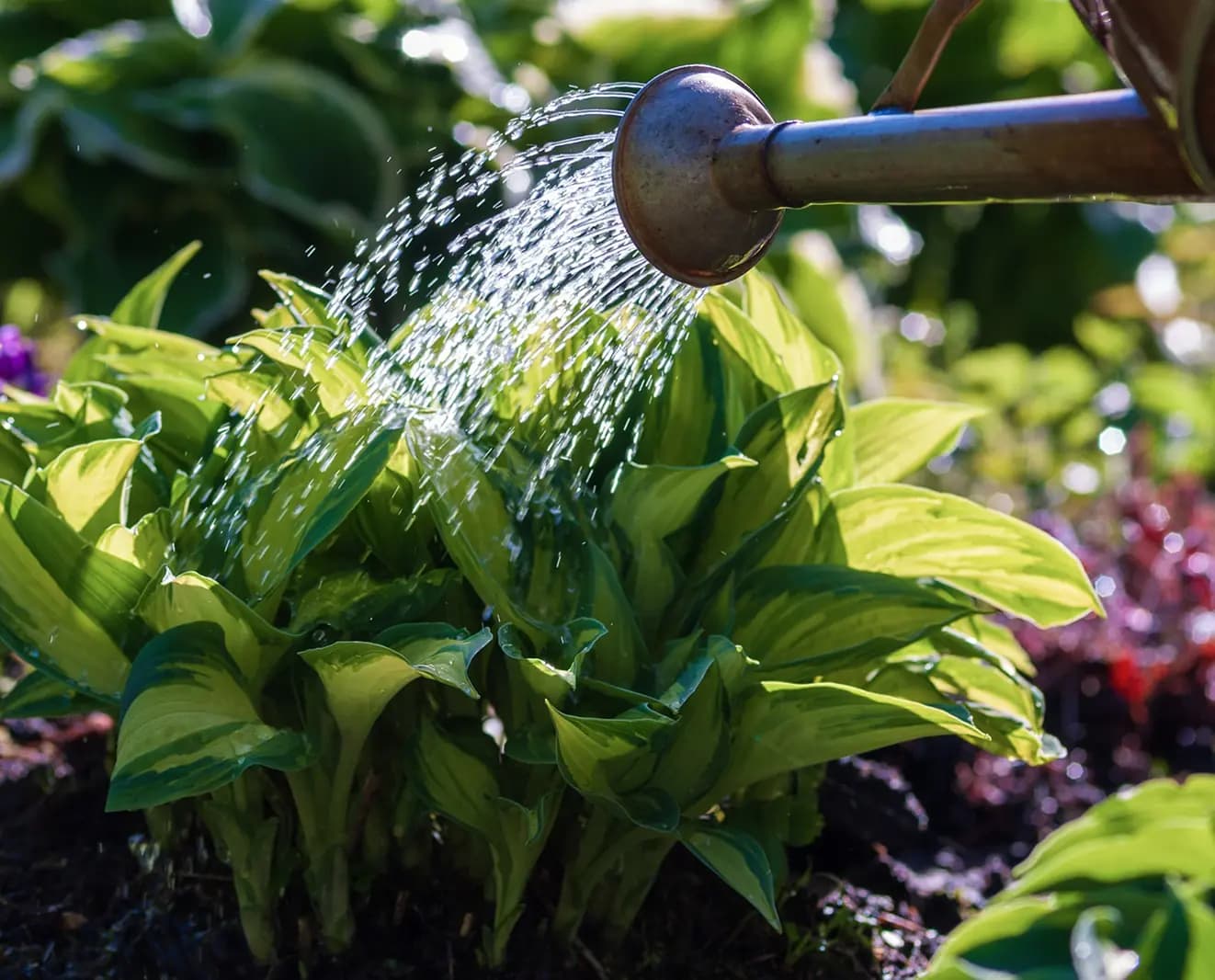
Watering a plant with a copper watering can
How to Plant Pumpkin Seeds for a Fall Harvest and Grow Your Own Patch

7 min read · 4 Nov 2026

How to Plant Pumpkin Seeds for a Fall Harvest and Grow Your Own Patch

A backyard pumpkin patch starts months before the first leaves turn: the harvest that ends up on the porch in October is decided by what a gardener does in late spring.

Beginner Guides

How to Plant Pumpkin Seeds for a Fall Harvest and Grow Your Own Patch
Best Time to Water Grass in Summer – Lawn Watering Tips

5 min read · 21 Jul 2026

Best Time to Water Grass in Summer – Lawn Watering Tips

Summer watering is easy to get wrong. This guide explains when to turn on your sprinkler, how much liquid your grass needs each week, and how to tell if you're overwatering or underwatering.

Plant Care
Best Time to Water Grass in Summer – Lawn Watering Tips
Frozen vs Fresh Vegetable Nutrients: Which Option Is Healthier?

6 min read · 8 Sept 2026

Frozen vs Fresh Vegetable Nutrients: Which Option Is Healthier?

Frozen and fresh vegetables are nutritionally comparable: frozen produce often retains vitamins just as well as fresh and may sometimes contain more. Here’s how blanching and storage affect nutrients—and when to choose each.

Plant Recommendations
Frozen vs Fresh Vegetable Nutrients: Which Option Is Healthier?