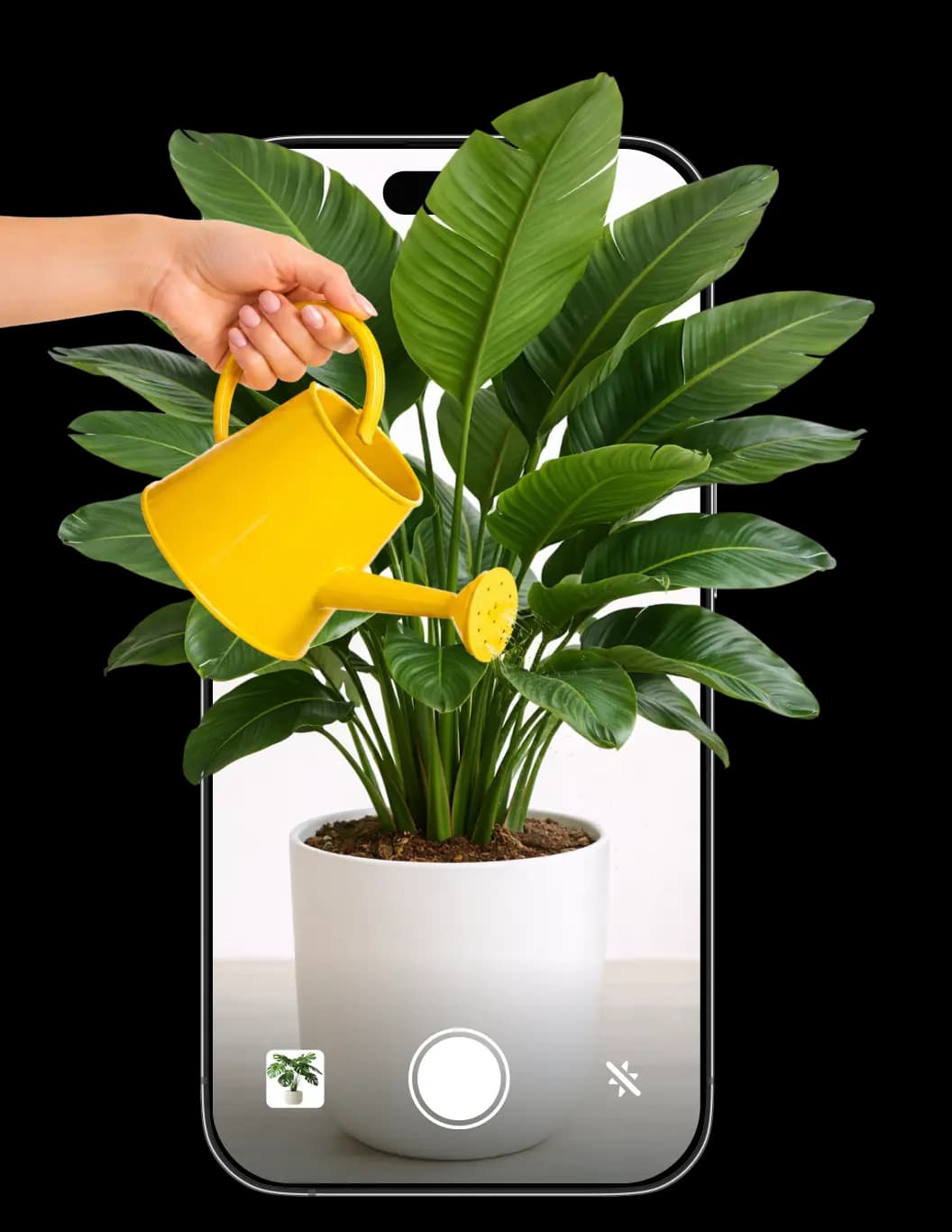
Chinese elm (Ulmus parvifolia) Watering Guide

This page explains when, how often, and how much to water Ulmus parvifolia for steady, healthy growth.

Water Requirements

Moderate Water

Ulmus parvifolia Watering

This guide outlines watering Chinese elm so its roots stay hydrated without prolonged saturation. Ulmus parvifolia naturally experiences moderate rainfall with periods of drier soil, so it tolerates brief drying. It generally prefers light, steady moisture rather than extremes of soggy or bone-dry conditions.

In containers it dries out faster than in-ground trees, so monitor soil more closely. These basics give a framework before detailed guidance on how to water Chinese elm in varied growing situations.

Water when the top 1–2 inches (3–5 cm) of soil feel dry, as this tree dislikes staying soggy. Indoors, this typically means watering about once a week in bright light, slightly less in winter. Outdoors, Chinese elm in hot, windy conditions may need more frequent checks and watering.

Water Chinese elm when the top 1-2 inches (3-5 cm) of soil feel dry, aiming for slow, even saturation.

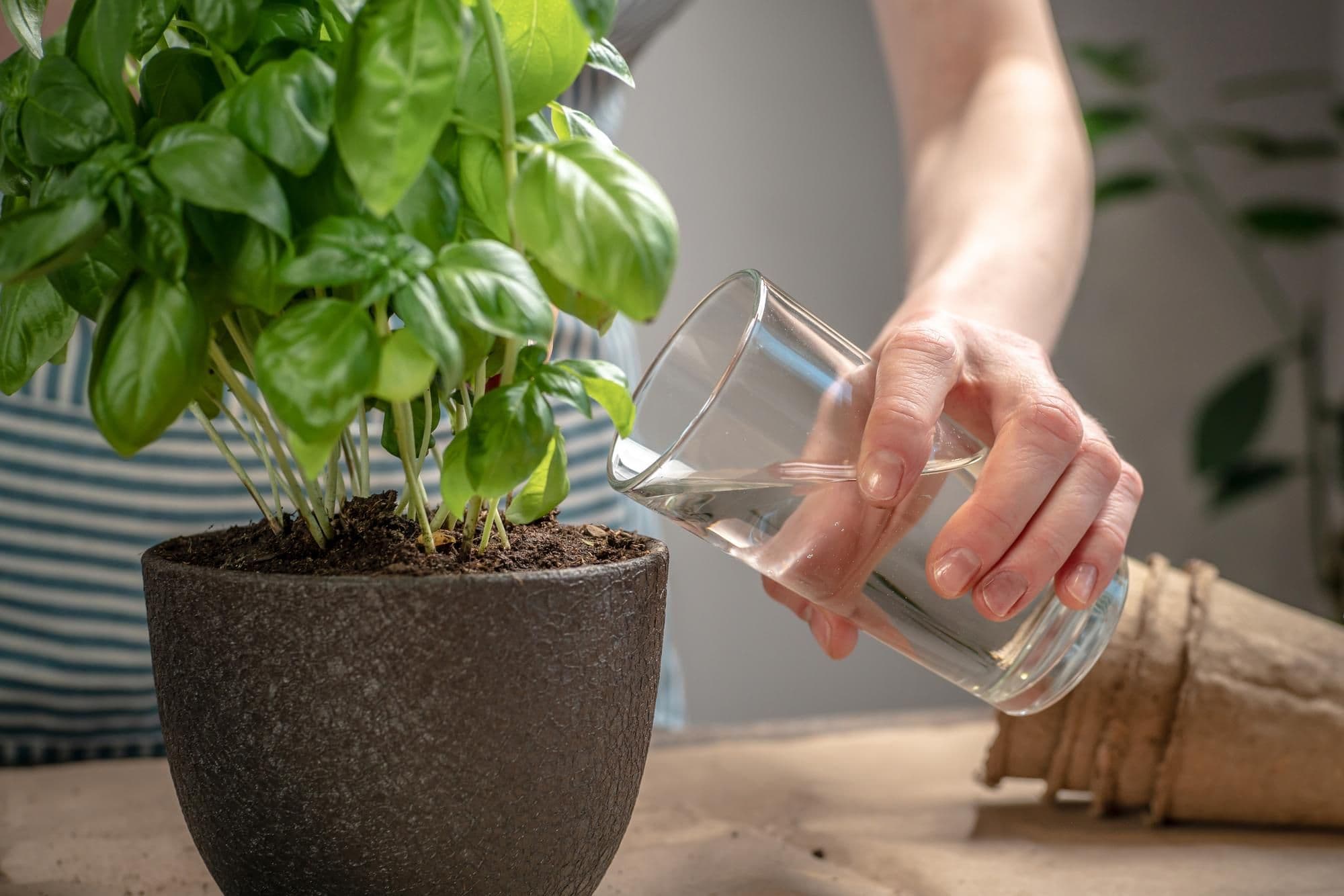
  • Pour room-temperature water directly onto the soil surface, circling the base to distribute moisture across the entire root zone.
  • Continue adding water until it begins to drain from the container’s holes, ensuring the central root mass is fully moistened.
  • Let the pot drain completely, then empty any saucer or cachepot so roots do not sit in standing water.
  • Keep trunk and leaves mostly dry by directing the stream at the soil, which helps reduce unnecessary surface moisture on foliage.

Incorrect moisture levels can stress Ulmus parvifolia and gradually weaken overall growth and resilience.

Yellowing Inner Leaves:

Older leaves turn pale yellow and drop from repeated overwatering and chronically saturated, compacted soil.

Crisp Browning Leaf Tips:

Leaf edges dry, curl, and brown when soil repeatedly dries too deeply between waterings.

Wilting With Damp Soil:

Foliage wilts despite moist substrate, often indicating early root rot from poor drainage conditions.

Bark Dieback At Roots:

Lower trunk bark darkens, softens, and recedes after prolonged waterlogging and severe root decay.

Maintain evenly moist, free-draining soil, avoiding both deep drought and extended saturation around the roots.

Unsuitable watering habits weaken Chinese elm (Ulmus parvifolia), limiting growth, stressing roots, and making the tree vulnerable to pests and temperature swings.

  • Rigid calendar watering: Following a fixed schedule ignores seasonal changes; instead, check the top soil for dryness and adjust timing to current conditions.
  • Poor drainage mix: Using dense, moisture‑holding soil keeps roots soggy; choose a fast‑draining mix that lets water pass through quickly between waterings.
  • Water left in saucer: Letting runoff sit under the pot bathes roots in stale water; empty the saucer shortly after each thorough watering.

Safe watering for this species means combining drainage, responsive timing, and complete runoff so roots stay moist but not saturated.

  • Spring: New growth resumes; increase watering slightly, keeping soil evenly moist but not saturated as roots become more active.
  • Summer: In hot, dry periods, water more deeply and check soil more often, especially for container or bonsai trees that dry quickly.
  • Fall: As leaf drop begins and growth slows, gradually reduce watering, allowing the upper soil to dry a bit more between soakings.
  • Winter: During dormancy, water sparingly yet prevent complete soil dryness; protect container plants from repeated freeze–thaw that disrupts root moisture balance.

Your Chinese elm Care Companion

Use Botan for a clear watering guide and practical care steps for Chinese elm. The app can also review plant photos to help catch potential issues early.

Botan plant care app — identify plants on mobile

Interesting Watering Facts

Tolerant of Urban Drought

Ulmus parvifolia is widely used as a street and parking-lot tree because established specimens tolerate compacted, intermittently dry urban soils better than many other elms, provided they receive occasional deep watering during prolonged dry periods.


Adapted to Seasonal Rains

In its native East Asian range, Ulmus parvifolia experiences distinct wet and dry seasons, so mature trees cope well with short droughts once roots are deep, yet respond with strong shoot growth when regular rainfall or irrigation resumes.

Handles Variable Soil Moisture

Ulmus parvifolia grows in habitats ranging from well-drained slopes to heavier loams, showing good performance in soils that fluctuate between moist and moderately dry, as long as they are not chronically waterlogged.

FAQ

Allow the top 1–2 inches (3–5 cm) of soil to dry before watering again. Deeper soil should remain slightly moist, not soggy. This balance helps prevent root rot while avoiding stress from complete drying.

More Plant Watering Guides

Is Your Watering Routine Hurting Your Chinese elm?

Botan evaluates your watering pattern so adjustments are easier to make.

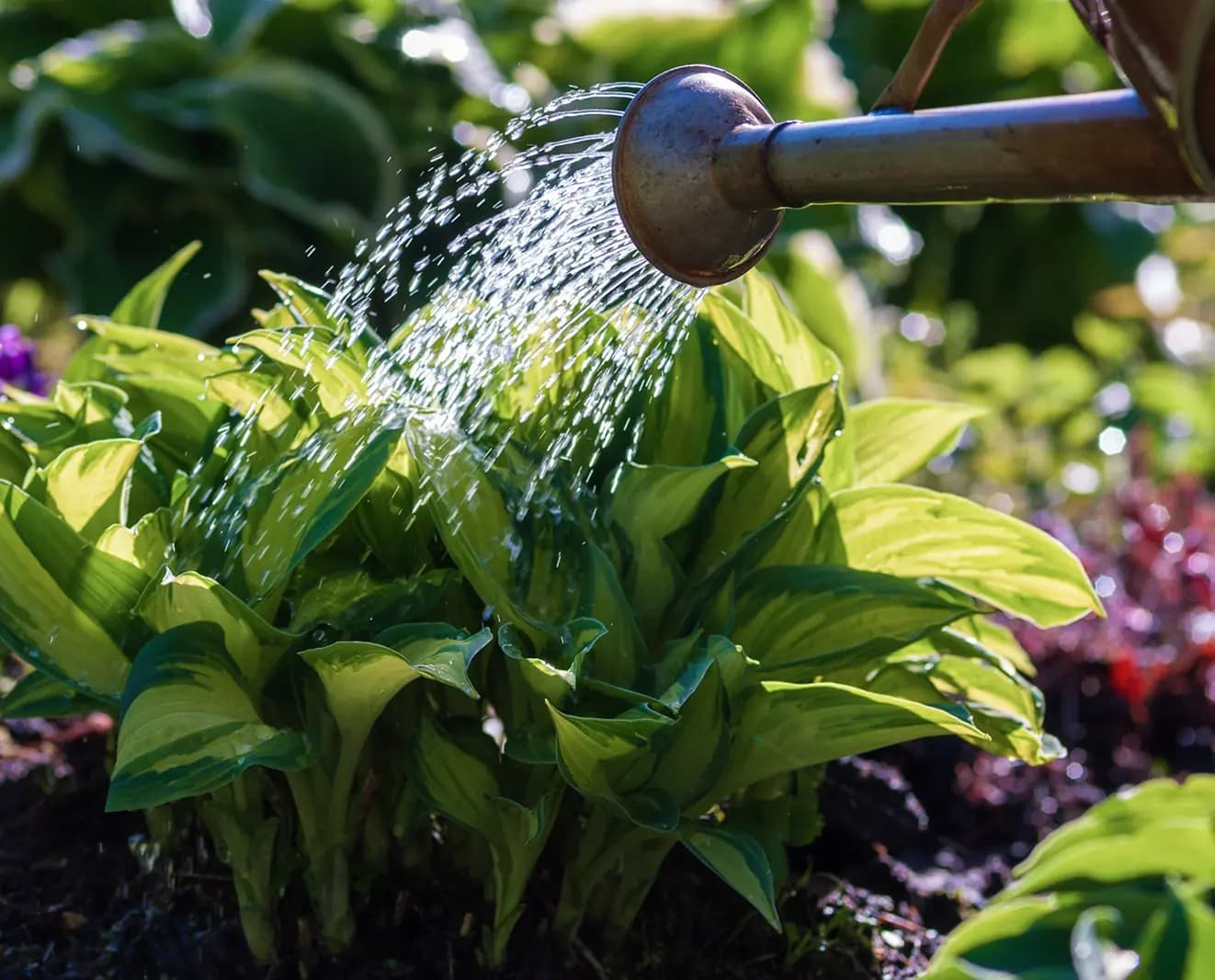
Watering a plant with a copper watering can
Best Water for Plants – How to Choose the Right Type

7 min read · 13 Aug 2026

Best Water for Plants – How to Choose the Right Type

Rainwater, filtered, distilled, and tap water affect plants differently. Learn which types support healthy growth and which cause slow damage. Match each to your plants and discover how to easily improve tap water quality.

Plant Care
Best Water for Plants – How to Choose the Right Type
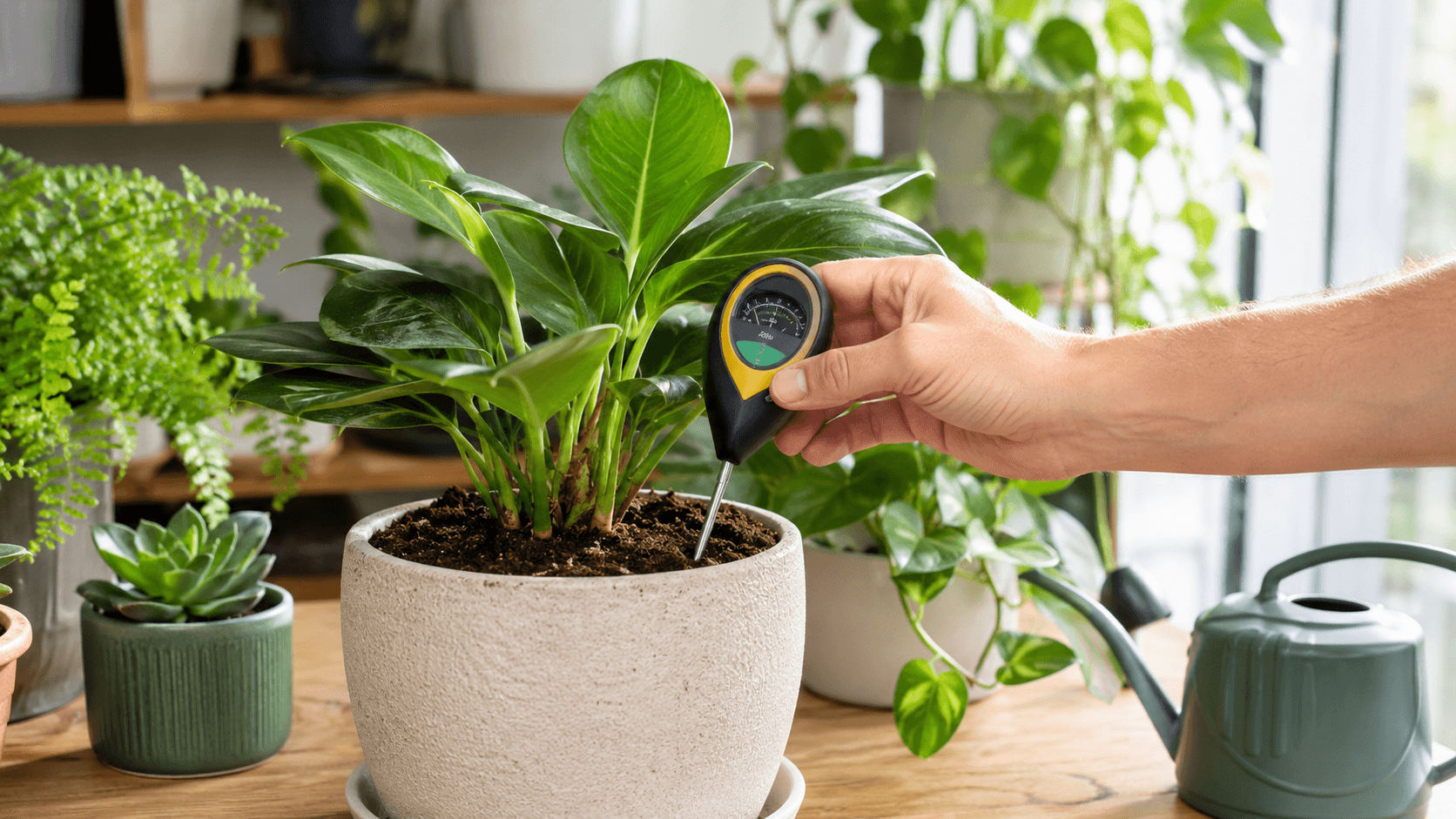
How to Use a Moisture Meter for Plants

5 min read · 4 Sept 2026

How to Use a Moisture Meter for Plants

Watering by feel kills plenty of houseplants. A moisture meter checks the soil for you, and takes the guesswork out of it. This guide will show you how to use it correctly, from the first touch to the final reading.

Beginner Guides
How to Use a Moisture Meter for Plants
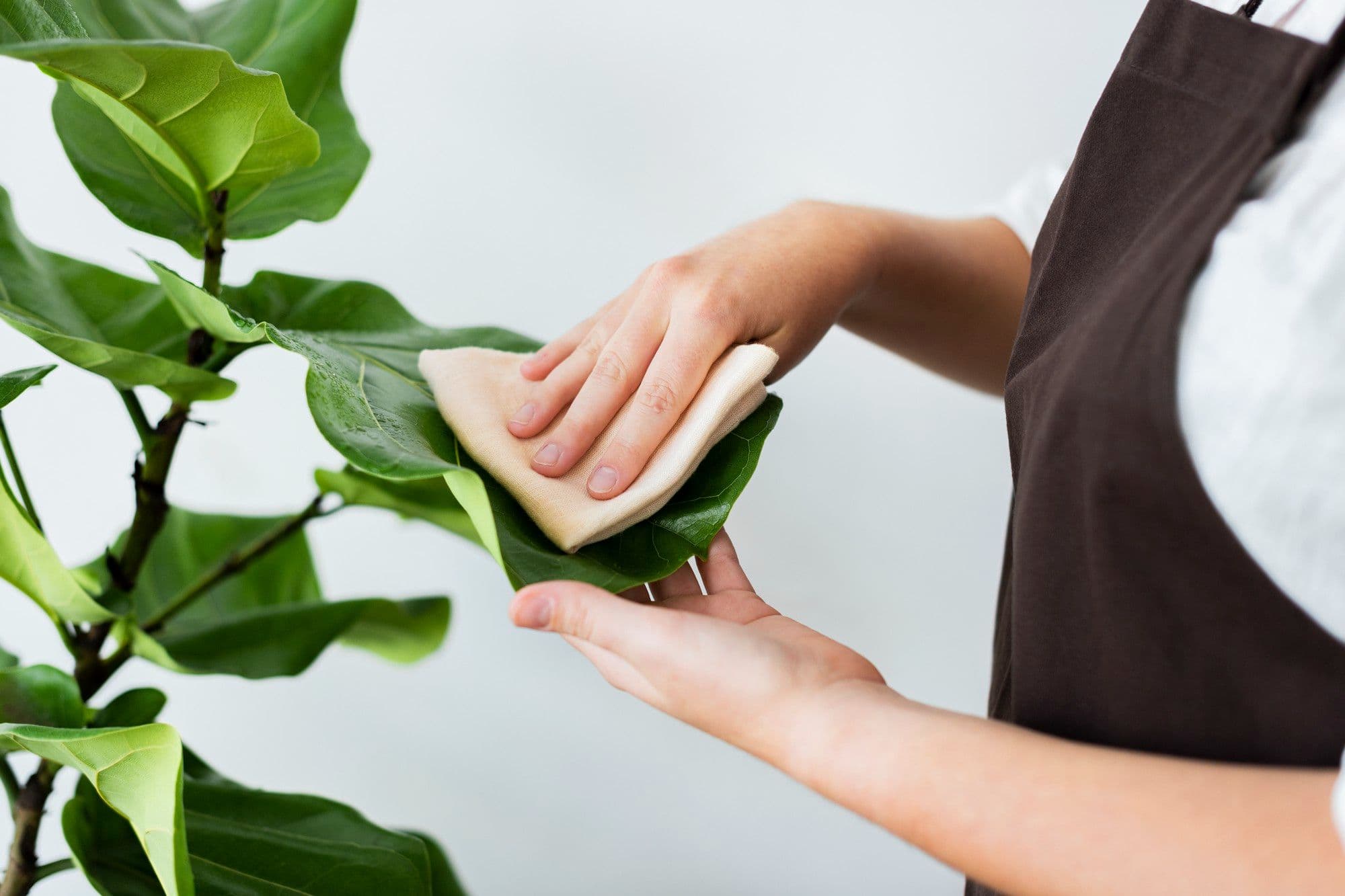
How to Clean Plant Leaves: A Simple Care Guide

6 min read · 4 Aug 2026

How to Clean Plant Leaves: A Simple Care Guide

Dusty leaves look dull and don't absorb light well. Below, you'll find simple ways to clean them, which tools are truly effective, how often you should do it, and what causes damage.

Beginner Guides
How to Clean Plant Leaves: A Simple Care Guide