Windmill palm (Trachycarpus fortunei) Watering Guide

This page explains when, how often, and how much to water Trachycarpus fortunei for steady, healthy growth.

Water Requirements

Moderate Water

Trachycarpus fortunei Watering

This hardy palm prefers moderate, steady moisture rather than extremes. In its native cool, mountain regions of Asia, Trachycarpus fortunei experiences regular rainfall with brief drier spells.

For watering Windmill palm, aim for soil that is slightly moist, not saturated or bone dry. Outdoor plants usually rely more on natural rainfall, while container or indoor specimens depend on more controlled, attentive watering. This overview sets the stage before exploring detailed needs by climate and planting location.


Let the top 1–2 inches (3–5 cm) of soil dry out before watering again, whether the palm grows in a pot or in the ground. In containers, this typically means watering about once a week in warm weather, less often in cool seasons or deep shade.

Water Windmill palm when the top 1-2 inches (3-5 cm) of soil feel dry, using slow, deep soaking.

  • Pour water slowly around the base of the trunk, circling the plant so moisture reaches the entire root zone.
  • Apply enough water to moisten soil to spade depth, ensuring it feels evenly damp but not waterlogged afterward.
  • Allow water to drain freely from planting area or container, then empty any saucers or catch trays to prevent standing water.
  • Keep the crown and fronds mostly dry while watering, directing the flow onto the soil instead of over the leaves.

Incorrect moisture around Trachycarpus fortunei can gradually trigger several avoidable growth and health problems.

Yellowing Lower Fronds:

Older leaves turn uniformly yellow when soil stays slightly wet too often between deep waterings.

Drooping Crown Leaves:

The canopy sags and feels limp when root zone moisture swings between very dry and saturated.

Brown Leaf Tips:

Tips crisp and brown from chronic underwatering combined with hot, drying wind exposure.

Soft Trunk Base:

Lower trunk becomes spongy where persistent soggy soil encourages decay around main roots.

Sour-Smelling Potting Mix:

Container soil smells fermented when drainage fails and excess water excludes necessary root oxygen.

Maintain deep, infrequent watering in freely draining soil, letting the top layer partly dry between soakings.

Unsuitable watering habits can stress Trachycarpus fortunei, leaving Windmill palm less resilient to temperature swings, pests, and transplant shock.

  • Strict calendar schedule: Watering by date instead of checking soil moisture leads to stress; feel the top layer and water only when it has dried slightly.
  • Heavy, poorly drained mix: Using dense garden soil traps water around the roots; choose a gritty, fast-draining mix with added perlite or coarse sand.
  • Letting saucers stay full: Leaving runoff in a saucer keeps roots sitting in water; empty saucers shortly after watering so excess can fully drain.

Aim for deep, occasional watering into a draining, airy mix, guided by soil dryness rather than routine or leftover standing water.

  • Spring: Active growth resumes; water when the top 1–2 inches of soil dry, but reduce if seasonal rainfall already keeps soil lightly moist.
  • Summer: In sustained heat or drying winds, increase watering frequency, keeping soil evenly moist but not waterlogged, especially for container-grown specimens.
  • Fall: Gradually extend the interval between waterings as growth slows, ensuring soil dries slightly deeper to prepare the palm for cooler conditions.
  • Winter: During cool dormancy, water sparingly, allowing soil to dry well between waterings; further reduce if planted outdoors in rainy climates.

Track Watering. Catch Problems Early

Use Botan for a clear watering guide and simple care routines for your Windmill palm, plus gentle photo-based checkups to spot emerging issues before they become serious.

Botan plant care app — identify plants on mobile

Interesting Watering Facts

Cold‑wet tolerance combo

Unlike many palms, Trachycarpus fortunei tolerates cool, wet soils better than prolonged summer drought, reflecting its origin in monsoonal, temperate Asian mountain regions with cool, moist winters and wetter growing seasons.

Moisture‑aided cold hardiness

Field observations show that well‑hydrated Trachycarpus fortunei handles subfreezing temperatures more reliably than water‑stressed plants, since adequate root moisture supports cell turgor and reduces cold‑related desiccation injury.

Shallow yet fibrous roots

Trachycarpus fortunei develops a dense, fibrous, relatively shallow root system that rapidly exploits surface rainfall, so consistent moderate moisture at the soil surface supports better establishment than deep but infrequent soaking alone.

FAQ

Yes. Water thoroughly right after applying fertilizer to move nutrients into the root zone and prevent root burn. Use enough water for slight drainage, then return to your normal how often to water schedule once the top soil dries.

More Plant Watering Guides

Is Your Watering Routine Hurting Your Windmill palm?

Use Botan to review watering patterns and see if moisture timing needs adjustment.

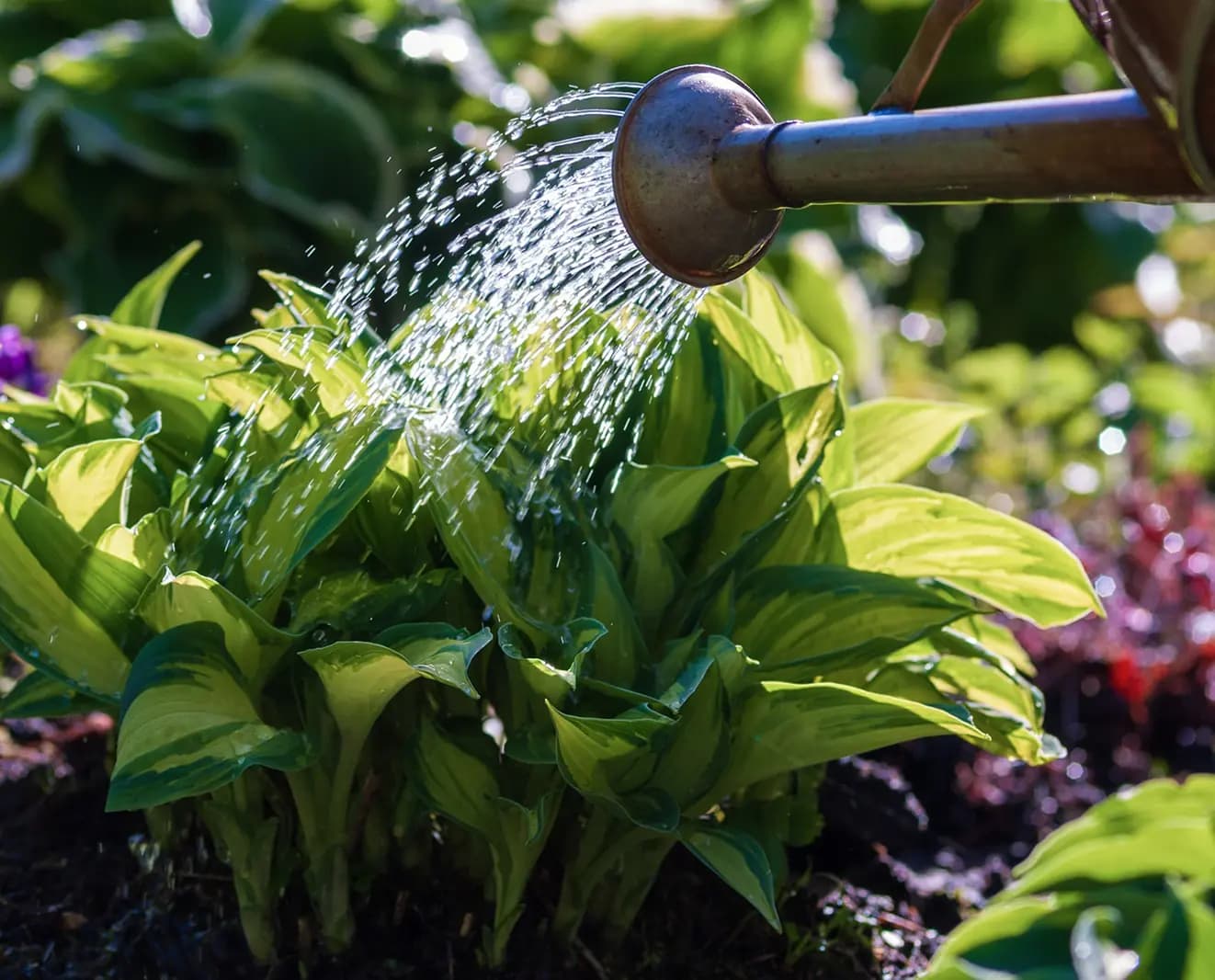
Watering a plant with a copper watering can
Plants That Repel Bugs – 20 Effective Options

12 min read · 16 Jul 2026

Plants That Repel Bugs – 20 Effective Options

Mosquitoes on the patio? Gnats in the kitchen? Some plants keep them away with the scent of their own leaves. Here are 20 that deal with mosquitoes, flies, aphids, and more, plus where to put them so they help.

Plant Recommendations
Plants That Repel Bugs – 20 Effective Options
Thorny Plants: A Comprehensive Guide

10 min read · 25 Aug 2026

Thorny Plants: A Comprehensive Guide

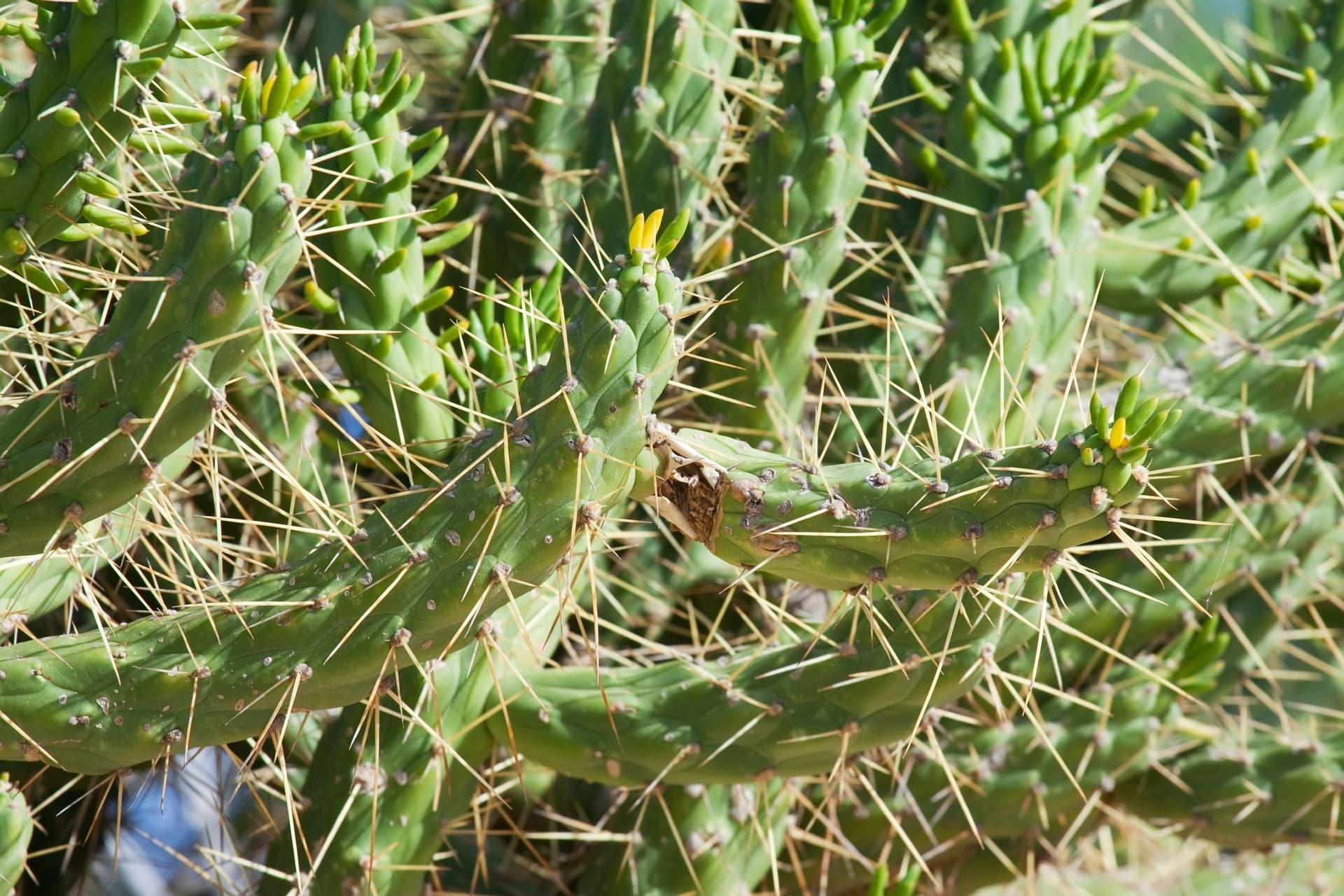
Many plants defend themselves with sharp thorns. This guide explores over 20 examples among flowers, shrubs, trees, and vines. You'll learn what each plant looks like, why it grows thorns, and how to quickly identify them.

Plant Recommendations
Thorny Plants: A Comprehensive Guide
How to Use a Moisture Meter for Plants

5 min read · 4 Sept 2026

How to Use a Moisture Meter for Plants

Watering by feel kills plenty of houseplants. A moisture meter checks the soil for you, and takes the guesswork out of it. This guide will show you how to use it correctly, from the first touch to the final reading.

Beginner Guides
How to Use a Moisture Meter for Plants