


calamondin (Citrus × microcarpa) Watering Guide

This page explains when, how often, and how much to water Citrus × microcarpa in straightforward, practical terms.

Water Requirements

Moderate Water

Citrus × microcarpa Watering

This compact citrus prefers steady moisture without staying soaked, reflecting its origins in seasonally wet, quickly draining soils. Citrus × microcarpa typically grows where rains come regularly, but roots can dry slightly between showers.

For watering calamondin, aim for evenly moist soil that never feels waterlogged, adjusting frequency to light, temperature, and pot size. Indoors and in containers, moisture changes faster than in-ground plants, so monitoring soil conditions matters more than the calendar.

This citrus is ready for more water when the top 1–2 inches (3–5 cm) of soil feel dry and slightly lighter in color. Indoors, Citrus × microcarpa typically needs watering about once a week in bright light, less in winter, while outdoor plants in heat and full sun may need water more often.

Water calamondin when the top 1–2 inches (3–5 cm) of soil feel dry, using slow, thorough applications.

  • Pour room-temperature water slowly over the soil surface, circling the pot to distribute moisture evenly around the root zone.
  • Continue adding water until liquid begins to drain from the bottom holes, confirming the entire root ball is moistened.
  • Empty saucers or decorative covers within 10–15 minutes so the pot does not stand in leftover water.
  • Keep water directed at the soil only, avoiding constant wetting of leaves and stems to reduce unnecessary moisture on foliage.

Improper moisture balance can trigger several growth problems for Citrus × microcarpa indoors or outdoors.

Yellowing Leaves:

Older foliage turns uniformly pale while soil stays wet, indicating chronic overwatering and reduced root function.

Leaf Drop:

Foliage suddenly sheds after swings between drought and soaking, stressing shallow feeder roots severely.

Leaf Curling:

Leaves curl inward and feel dry when the root zone repeatedly dries deeper than intended.

Sour-Smelling Soil:

Potting mix smells fermented or musty from persistent saturation, suggesting poor drainage and developing root rot.

Cracked Fruit:

Ripening fruit splits after heavy watering follows prolonged dryness, reflecting abrupt internal pressure changes.

Keep soil lightly moist with thorough, infrequent watering and strong drainage, avoiding both drought and waterlogging.

Poor watering habits can stress Citrus × microcarpa, reducing flowering, fruit set, and overall vigor, especially in containers indoors or on patios.

  • Watering by calendar: Following a fixed schedule ignores seasonal changes; instead, water only when the top soil layer feels dry and the pot feels lighter.
  • Heavy, compact soil: Using dense garden soil holds moisture too long; choose a loose, gritty citrus mix that drains fast yet retains slight moisture.
  • Letting saucers fill: Leaving water in saucers keeps roots saturated; after each watering, empty excess so the root zone can re-oxygenate.

Healthier calamondin watering relies on checking soil moisture and drainage each time, then adjusting volume rather than following rigid routines.

  • Spring: As growth resumes, monitor for quicker drying and water when the top soil slightly dries, avoiding long periods of saturation.
  • Summer: In strong heat or outdoor sun, soil may dry rapidly; check moisture more often and water deeply when the upper layer feels dry.
  • Fall: As light and growth slow, extend the interval between waterings, keeping soil lightly moist but not consistently wet around the roots.
  • Winter: In cooler, lower-light conditions, reduce watering frequency, letting more of the soil dry while preventing complete, prolonged dryness.

Your calamondin Care Companion

Use Botan for a clear watering guide and practical care steps for calamondin. The app can also review plant photos to help notice early signs of stress or pests.

Botan plant care app — identify plants on mobile

FAQ

Use room-temperature water, about 65–75°F (18–24°C). This is close to the root-zone temperature and helps avoid stress, leaf drop, or slowed growth caused by sudden hot or cold water shocks.

Everything About calamondin

More Plant Watering Guides

Is Your Watering Routine Hurting Your calamondin?

Botan evaluates your watering pattern so adjustments are simple and targeted.

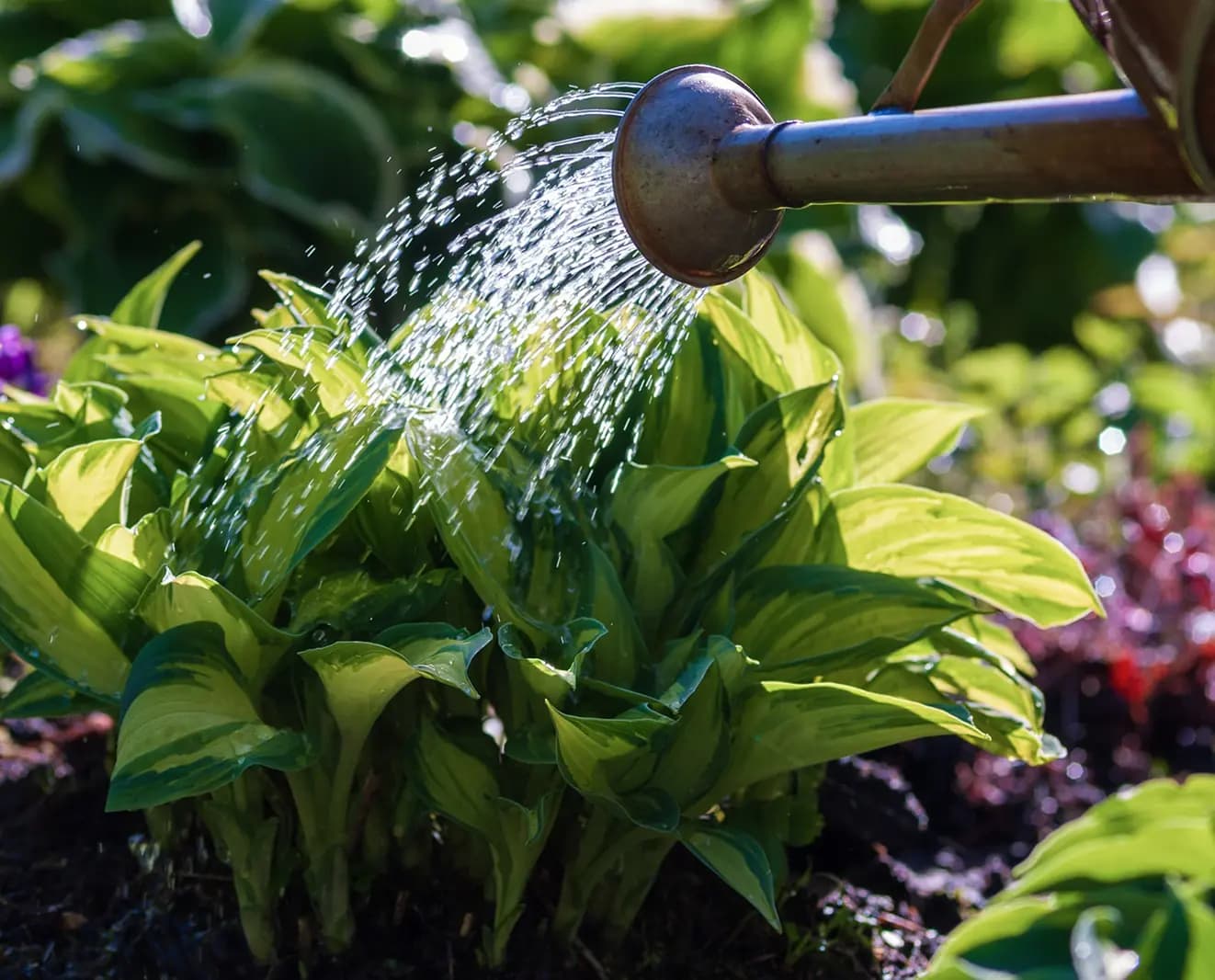
Watering a plant with a copper watering can
How Fast Does Bamboo Grow Per Day, Month, and Year

10 min read · 7 Jul 2026

How Fast Does Bamboo Grow Per Day, Month, and Year

Bamboo grows extremely fast: some species can reach 5-6 m in just 3-4 months under the right conditions. This guide explains how much bamboo can grow per day, week, and year, and what affects its growth rate.

Plant Recommendations
How Fast Does Bamboo Grow Per Day, Month, and Year
Plants That Repel Mosquitoes – 10 Effective Choices

8 min read · 6 Jul 2026

Plants That Repel Mosquitoes – 10 Effective Choices

Plants that repel mosquitoes can help mask human scent naturally and make outdoor spaces more comfortable. Explore the most effective options, their benefits and drawbacks, and choose the right plant for your space.

Plant Recommendations
Plants That Repel Mosquitoes – 10 Effective Choices
13 Best Front Yard Trees for Every Home and Yard

12 min read · 7 Aug 2026

13 Best Front Yard Trees for Every Home and Yard

A front yard tree can stay for decades. Therefore, choosing one deserves serious consideration. Here are 13 trees that have proven themselves, sorted by their purpose. You'll also find five species to avoid and basic planting information.

Plant Recommendations
13 Best Front Yard Trees for Every Home and Yard