

5 min read · 11 Sept 2026
Top 5 Best Indoor Plants for Air Quality
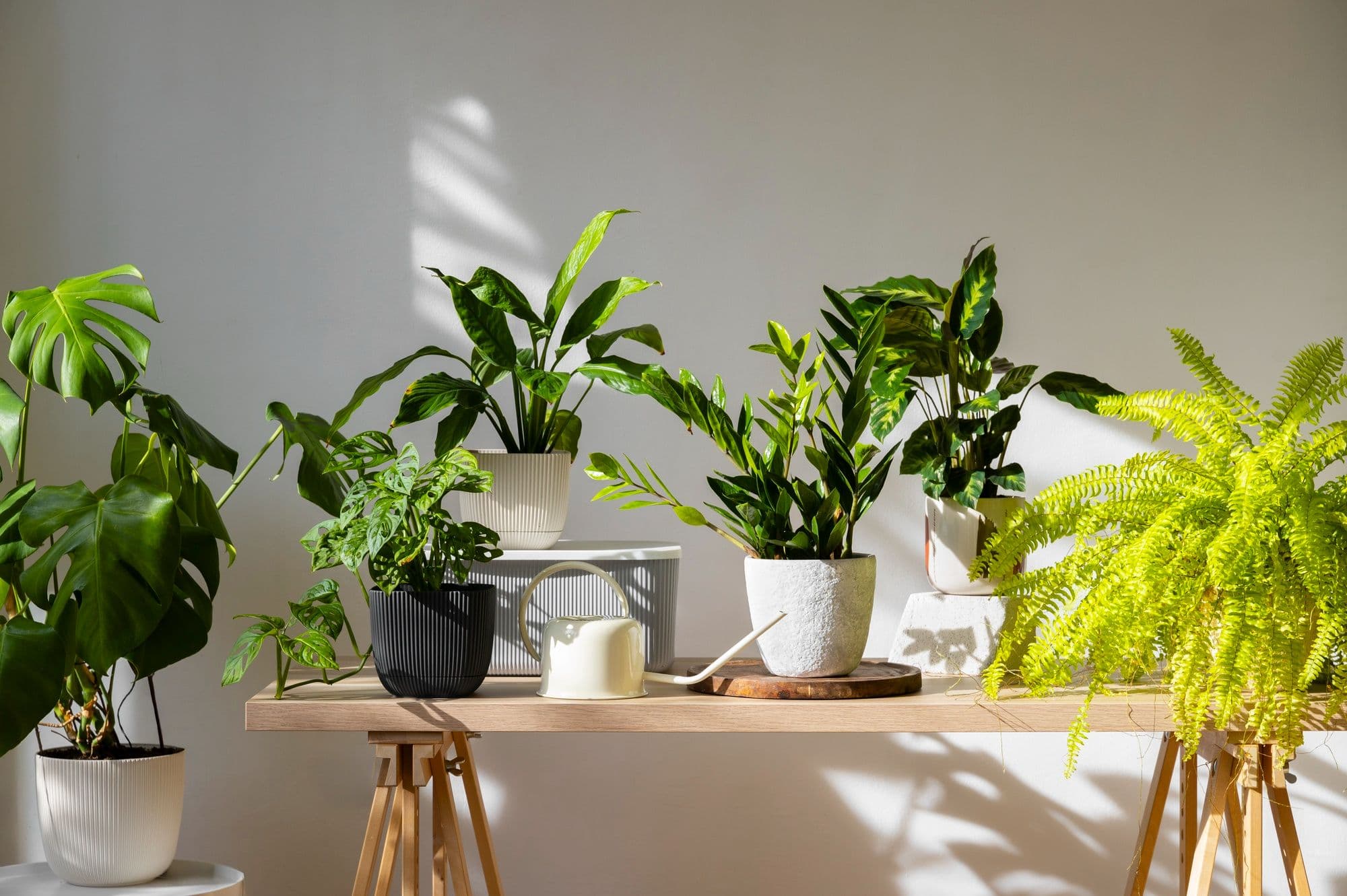
Indoor plants can make a room feel fresher thanks to their air-purifying qualities. Here are 5 of the most suitable choices for your routine and living space.
Plant Recommendations

This page explains when, how often, and how much to water Panicle Hydrangea for steady, reliable care.

Water Requirements
Regular Water
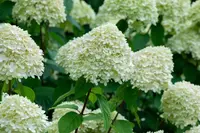
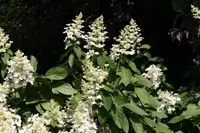
Garden-grown Phantom hydrangeas thrive where summers bring regular rainfall and soil stays evenly moist but not saturated. Hydrangea paniculata 'Phantom' prefers steady moisture over frequent drying, reflecting its origins in temperate, seasonally moist habitats.
Watering Panicle Hydrangea focuses on maintaining that gentle, consistent moisture level, adjusting for heat, rainfall, and soil type. In containers, moisture fluctuates faster than in garden beds, so monitoring soil dryness becomes more frequent than for in-ground plants.
For Hydrangea paniculata 'Phantom', check moisture instead of following a strict schedule. Water again when the top 1–2 inches (3–5 cm) of soil feel dry and crumbly. In warm, sunny conditions or smaller containers, this point usually arrives sooner than in cooler weather or larger beds.
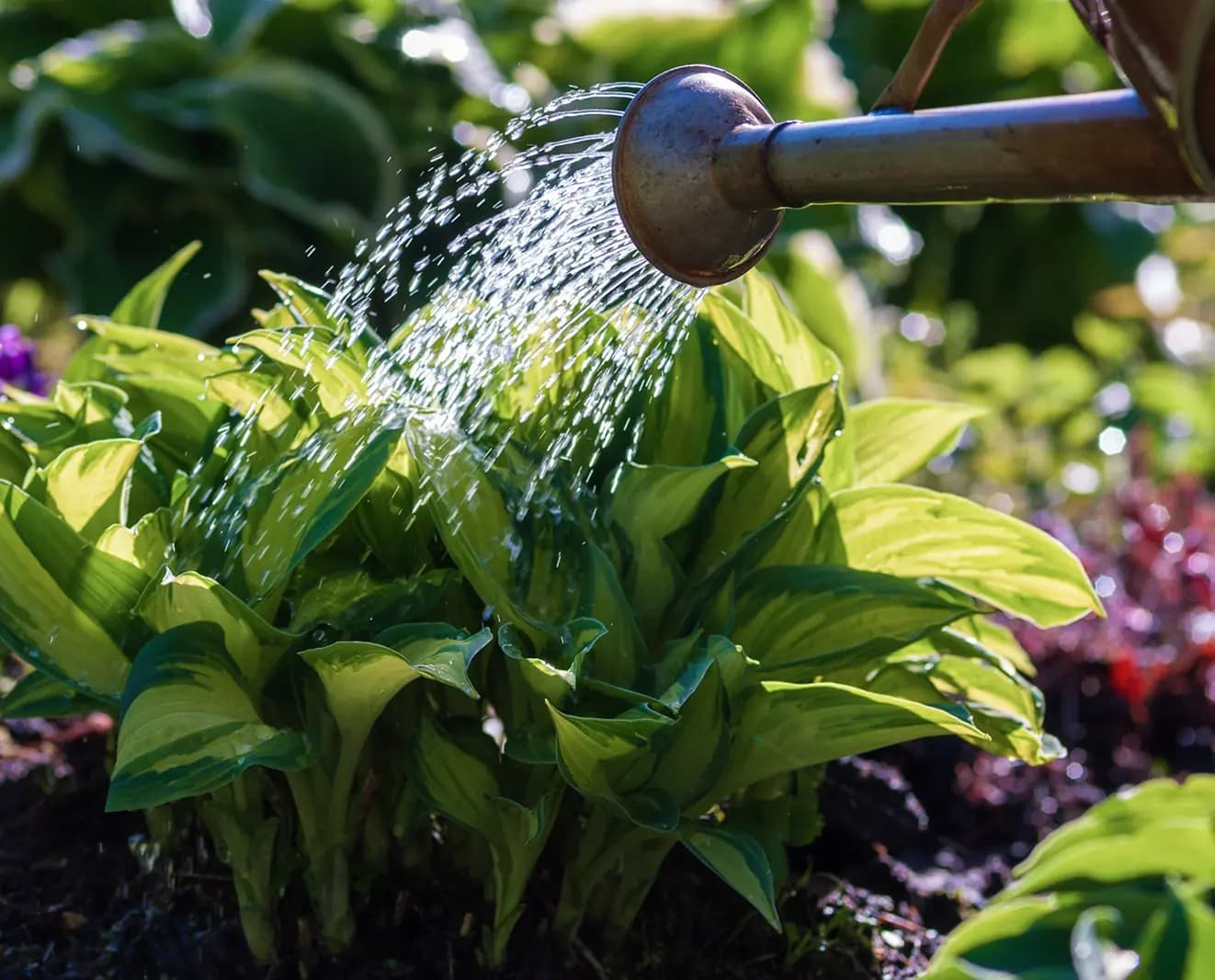
Water Panicle Hydrangea when the top 1-2 inches (3-5 cm) of soil feel dry, aiming for deep, even moisture.
Incorrect moisture levels can stress Hydrangea paniculata 'Phantom', weakening growth and limiting flowering performance.
Leaves droop in afternoon sun from shallow roots and inconsistent moisture, especially during summer heatwaves.
Outer margins dry and brown when soil repeatedly dries too deeply between thorough waterings.
Oldest leaves turn pale and drop from chronically soggy soil and reduced root oxygen.
Underdeveloped blooms follow drought stress during bud formation when soil moisture drops too low.
Keep soil steadily moist but not waterlogged, adjusting frequency with temperature, rainfall, and plant size.
Unsuitable watering habits can stress Hydrangea paniculata 'Phantom', reducing blooms and vigor, especially during heat or in containers.
Aim for consistently moist, well-drained soil, adjusting watering to weather, plant size, and container conditions rather than fixed rules.
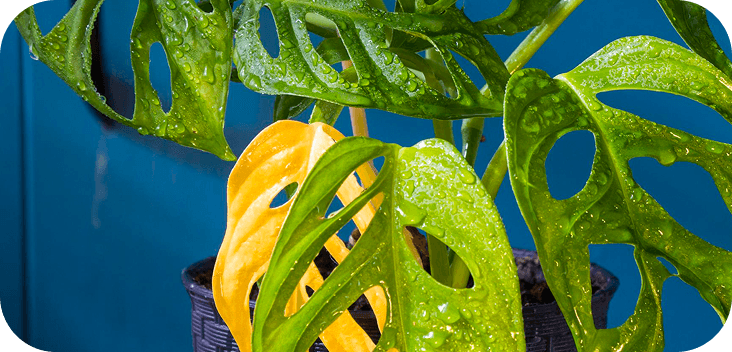
Is It Time to Water?
See whether your plant is ready for watering or needs more time to dry.
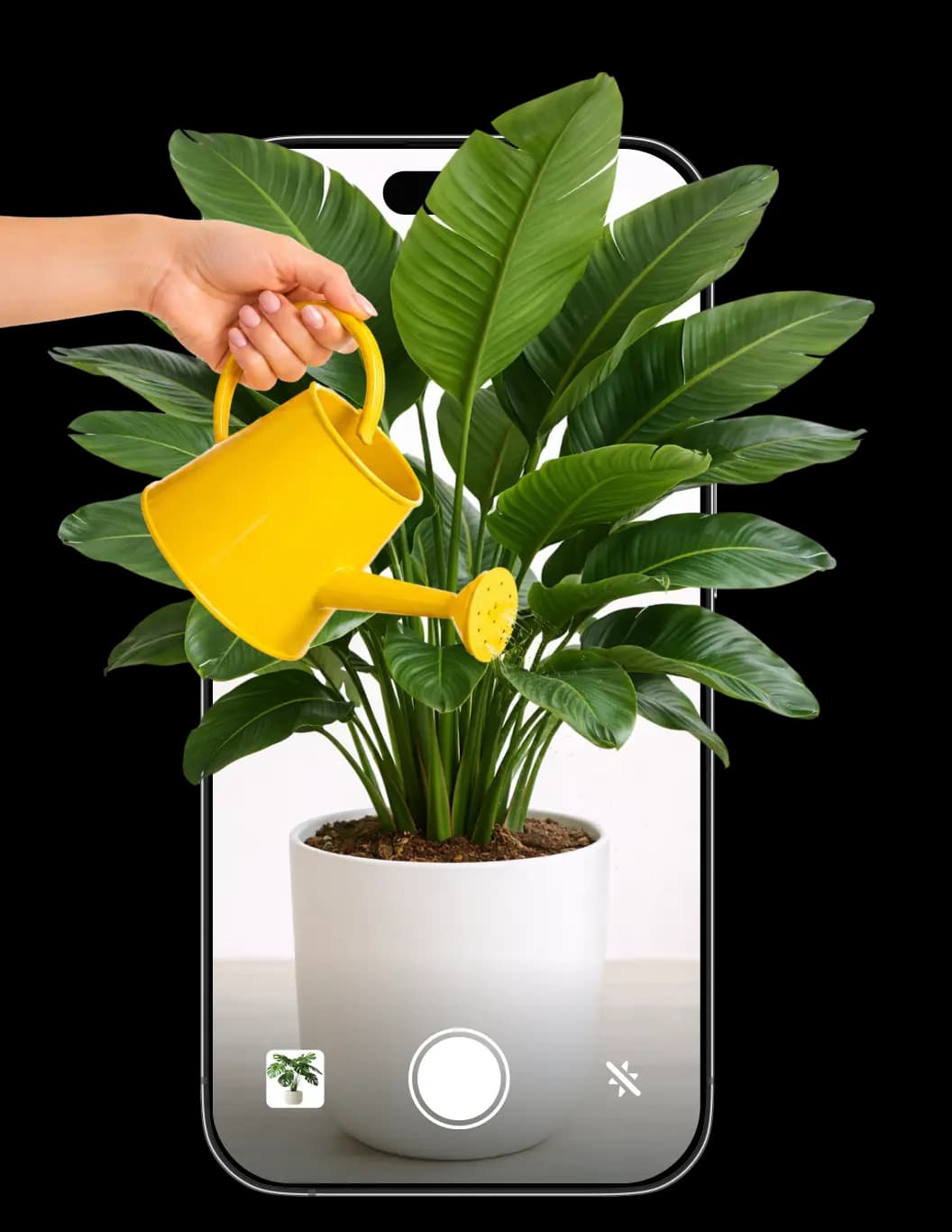
Use Botan for a clear watering guide and practical care steps for Hydrangea paniculata 'Phantom', plus gentle photo-based issue checks to spot leaf, stem, or soil problems early.
Let the top few inches of soil dry, then water only when that layer feels dry. Improve drainage with compost and, if in a pot, ensure drainage holes are clear. Remove badly rotted roots when repotting.
Botan reviews your watering routine so moisture stays in a healthy range.
5 min read · 11 Sept 2026
Indoor plants can make a room feel fresher thanks to their air-purifying qualities. Here are 5 of the most suitable choices for your routine and living space.
9 min read · 17 Jul 2026
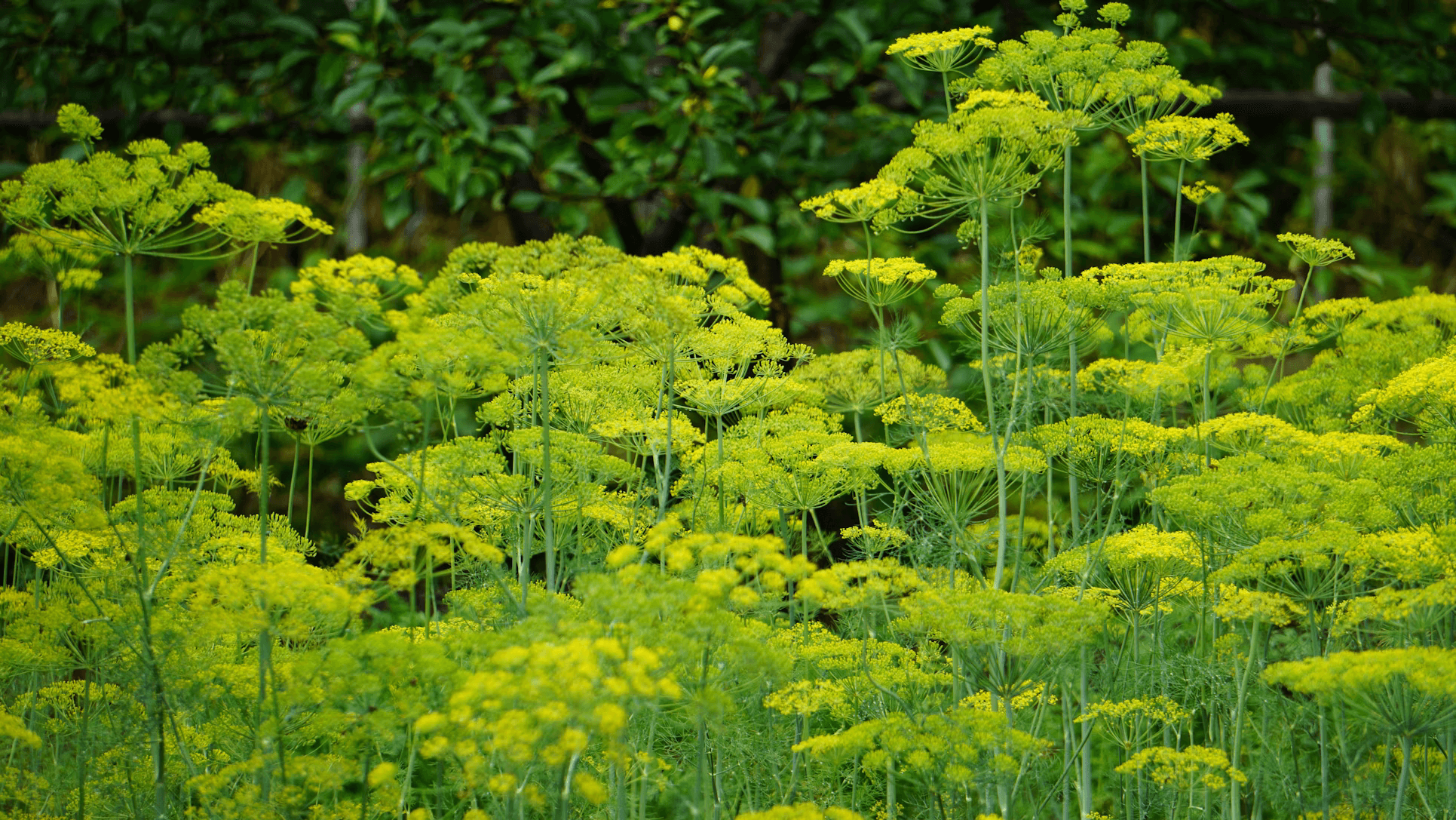
Dill is an easy-to-grow plant that gets along well with many vegetables. This guide describes 15 plants that can be planted alongside it, a few to avoid, and mistakes that can quietly sabotage the entire process.
8 min read · 16 Oct 2026
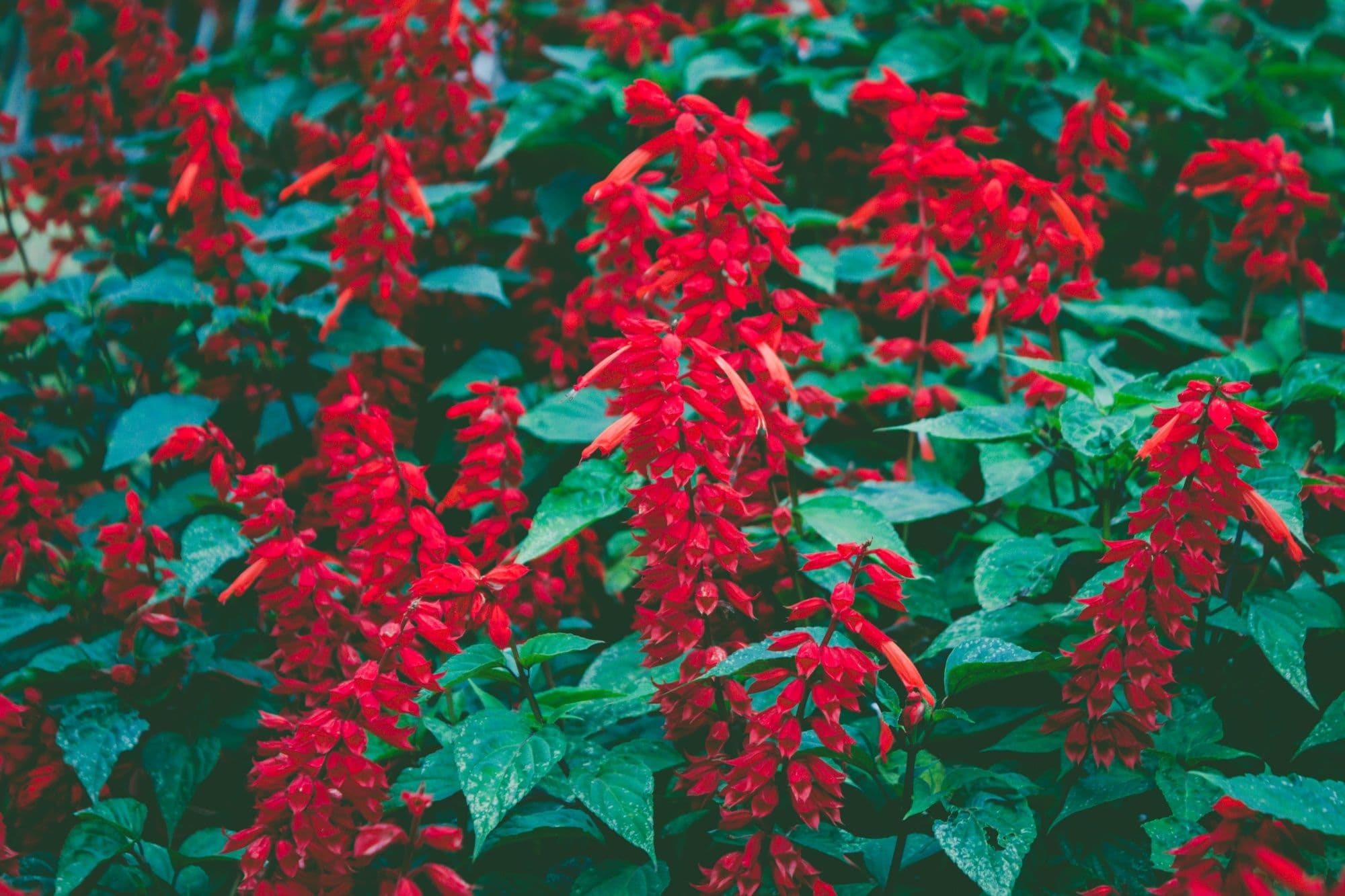
Some plants carry names that sound like jokes. This guide explains the origins of 20 funny plant names. You will also see which of these plants you can grow at home.