


Salt-wind acclimation
When planting near coasts, harden plants off by exposing them to increasing levels of salt wind over 2–3 weeks to reduce leaf burn and help stems lignify, especially important when growing yellow necklacepod in exposed sites.

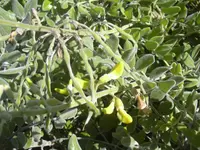
Yellow necklacepod, Sophora tomentosa, is a warm-climate evergreen shrub or small tree valued for its long, hanging clusters of bright yellow pea-like flowers. It often develops an open, somewhat irregular form with gray-green, softly hairy leaves that give it a slightly silvery look. In nature it grows in coastal areas, dunes, and sandy shores in tropical and subtropical regions. This background makes it well suited to sun, wind, and salt, but less tolerant of cold or heavy, wet soils. For gardeners learning how to care for yellow necklacepod, its drought tolerance and low nutrient needs make it relatively easy, as long as it receives good light and free-draining soil.

Care Difficulty
Easy Care

Light Preference
Full Sun

Water Requirements
Low Water

Temperature Preference
Tropical / Frost Sensitive

Hardiness Zone
10–11

Soil Texture
Sandy, Loamy

Soil pH
Slightly acidic (6.5–7.0), Neutral (7.0)

Soil Drainage
Well-drained

Fertilization
Minimal (feed rarely)
Scan your plant to receive care tips personalized for your specific plant
Available on iOS and Android
Sophora tomentosa grows best in bright, direct coastal-type light with some protection from harsh extremes.
This shrub prefers deep but infrequent watering once established, with time for the soil to dry slightly between soakings.
This coastal shrub prefers warm, frost-free conditions and handles heat better than cold.
This coastal shrub tolerates a wide humidity range and rarely needs special humidity management indoors or outdoors.
This species prefers lean, sandy, well-drained soil that mimics coastal habitats and prevents root rot.
This shrub can be grown successfully in containers where climate or space limits in-ground planting.
This coastal shrub grows in lean soils but benefits from light feeding when grown as an ornamental yellow necklacepod.
Pruning Sophora tomentosa is mainly used to manage size, remove damage, and encourage tidy flowering growth.
This shrub is usually grown in the ground, so focus on careful transplanting rather than frequent repotting.
Propagation of Sophora tomentosa is moderately reliable from both seed and semi-ripe cuttings with the right preparation.
In mild coastal climates this shrub needs minimal winter care, but it is frost sensitive in colder areas.

Plant Health Check
Not sure what's wrong with your plant? Check your plant's health inside the app.
This shrub naturally colonizes coastal dunes, and its deep, spreading root system helps bind loose sand and reduce erosion along tropical and subtropical shorelines.
The plant tolerates high salinity, salt spray, and strong onshore winds, which allows it to thrive just above the high-tide line in many coastal habitats.
After flowering, it develops pendant pods with distinctly rounded, bead-like segments that inspired the common name yellow necklacepod and provide food and cover for wildlife in its native range.

Sophora tomentosa is a legume that forms specialized root nodules housing nitrogen-fixing bacteria, allowing it to enrich poor, sandy coastal soils with usable nitrogen and gradually improve conditions for other plant species.
Lack of flowers often comes from too much shade, heavy pruning at the wrong time, or excess nitrogen fertilizer. Ensure strong light, avoid cutting new wood, and use a balanced, low-nitrogen product to support bud formation.
Keep your plants happy and healthy with plant identification, disease detection, and easy care guidance.

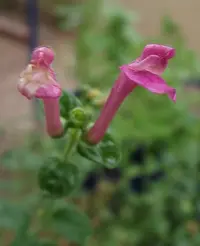
Cherry Skullcap
Scutellaria suffrutescens
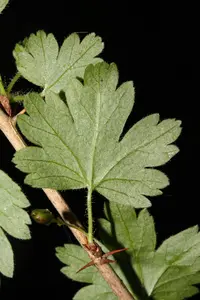
spreading gooseberry
Ribes divaricatum
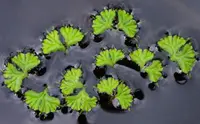
fringed heartwort
Ricciocarpos natans
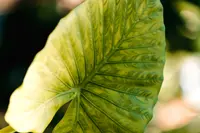
Elephant Ear
Colocasia esculenta Royal Hawaiian Maui Gold
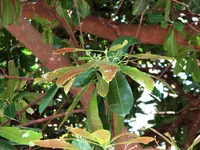
satinwood
Buchanania arborescens
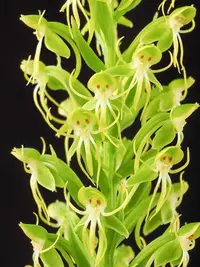
Waterspider bog orchid
Habenaria repens
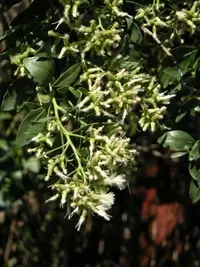
eastern baccharis
Baccharis halimifolia
Natal giant cycad
Encephalartos natalensis