Waterspider bog orchid Care (Habenaria repens)

Waterspider bog orchid

About Waterspider bog orchid

Waterspider bog orchid (Habenaria repens) is a semi-aquatic terrestrial orchid often found in shallow water, marsh edges, and boggy ditches. It typically forms loose colonies along slow-moving streams and ponds.

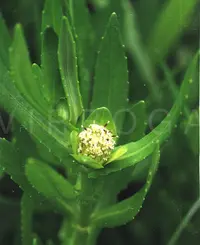
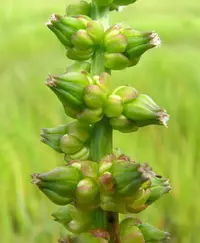
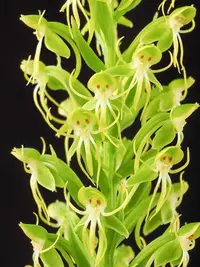
The plant produces slender, upright stems with narrow leaves and green, spidery flowers that can bloom in showy clusters. Flowers often appear slightly above the water surface, giving a delicate, floating effect.

Native to the southeastern United States, the Caribbean, and parts of Central and South America, it prefers warm, humid climates and consistently wet, low-nutrient substrates. These natural conditions make it more challenging to grow than common houseplants, so learning how to care for Waterspider bog orchid is important for long-term success.

Main Plant Requirements

Care Difficulty

Hard Care

Light Preference

Partial Sun

Water Requirements

Aquatic

Temperature Preference

Tropical / Frost Sensitive

Hardiness Zone

7–11

Soil Texture

Sandy, Loamy, Organic-rich

Soil pH

Acidic (5.5–6.5)

Soil Drainage

Waterlogged tolerant

Fertilization

Light (every 4–6 weeks)

Get Personalized Care Plan

Scan your plant to receive care tips personalized for your specific plant

Available on iOS and Android

How to Care for the Waterspider bog orchid

This semi-aquatic orchid prefers bright, gentle light similar to open, moist wetlands.

  • Provide 3–5 hours of soft morning sun with bright, filtered light the rest of the day; avoid strong midday and late afternoon sun that can scorch leaves.
  • Tolerates light shade, but stems may elongate and flowering can decrease if grown in dense shade or under less than 2–3 hours of indirect brightness.
  • Outdoors, place Waterspider bog orchid where taller plants give dappled shade in summer, ensuring winter sun is not blocked in mild climates.

This wetland orchid requires consistently moist to saturated conditions, especially during active growth.

  • Maintain soil or substrate constantly moist; in boggy or shallow-water setups, the crown should sit just above water, with roots often submerged.
  • During the main growing season, do not allow the top 1–2 cm to dry; slight surface drying signals the need to top up water, not a deep dry cycle.
  • Signs of overwatering include sour odor and slimy, collapsing roots, while underwatering shows in drooping, wrinkled foliage and stalled growth in Habenaria repens.

This species prefers warm, frost-free conditions similar to its native southeastern US wetlands.

  • Aim for 70–85°F (21–29°C) during active growth, with stable warmth and high humidity supporting strong leaves and flowering.
  • Protect from cold; growth slows below 60°F (16°C), and prolonged exposure under 40°F (4°C) or any hard frost can kill tubers and roots.
  • In hot spells above 90°F (32°C), ensure constant moisture and some extra shade, as overheated, dry conditions cause leaf scorch and stress.

This wetland orchid needs consistently high humidity to stay healthy.

  • Aim for 70–90% humidity, similar to its bog habitat, to support vigorous growth.
  • Dry air below about 50% leads to limp leaves, brown edges, slow growth, and bud blast.
  • Increase humidity with trays of water and pebbles under the pot, grouping plants, or using a small humidifier near the Waterspider bog orchid.

This species needs a constantly moist, airy, organic medium that mimics shallow bog conditions.

  • Use a mix such as 50% fine orchid bark, 30% sphagnum moss, and 20% perlite to hold moisture while staying airy.
  • Keep drainage fast so water moves through but never allow the mix to dry out completely.
  • Target slightly acidic conditions around pH 5.5–6.5, avoiding lime or strongly alkaline components.
  • Avoid dense garden soil or pure peat that compacts, reduces aeration, and can suffocate Habenaria repens tubers.

This bog orchid can be grown in containers when moisture and stability are carefully managed.

  • Choose a wide, shallow pot to allow horizontal rhizome spread while keeping the root zone evenly moist.
  • Select plastic or glazed ceramic to slow evaporation, which helps maintain the constantly damp medium this species prefers.
  • Place the container inside a waterproof cachepot or tray to catch drained water without letting the pot sit directly in deep standing water.

Habenaria repens benefits from light, careful feeding but is sensitive to excess salts.

  • Use a balanced liquid NPK fertilizer at 1/4 strength for Waterspider bog orchid during active growth.
  • Apply every 3–4 weeks in spring and summer, always onto pre-moistened substrate to avoid root burn.
  • Skip fertilizer or feed once at very weak strength in fall as growth slows; do not fertilize dormant tubers in winter.
  • Avoid slow-release pellets in very wet mixes, which can concentrate nutrients around delicate roots.

Pruning needs for Habenaria repens are minimal and focus on hygiene rather than shaping.

  • Cut spent flower spikes at the base after blooming using clean, sharp scissors or snips.
  • Remove yellowing, dead, or diseased leaves promptly to reduce fungal and bacterial problems.
  • Avoid cutting green, healthy foliage, since it supports tuber development for the next growth cycle.
  • Disinfect tools with alcohol before and after use to limit pathogen spread in dense, moist setups.

This species dislikes disturbance, so repotting or transplanting should be infrequent and gentle.

  • Repot or divide only every 2–3 years, when roots circle the pot, medium breaks down, or growth declines.
  • Time repotting for late winter to early spring, just before new shoots of Habenaria repens emerge.
  • Lift the plant carefully, retain as much surrounding medium as possible, and handle tubers by the base, not the growing tips.
  • Replant into a shallow container with fresh, airy, moisture-retentive mix, then keep slightly drier for 3–5 days to limit shock.

Propagation of Habenaria repens is possible but requires attention to timing and moisture conditions.

  • Divide clumps in late winter or very early spring, separating tubers with at least one healthy bud each.
  • Replant divisions into a fine, moist, well-aerated mix and keep humidity high but substrate only lightly wet.
  • Seed propagation is specialized, typically requiring symbiotic fungi or sterile lab methods, and is rarely done at home.
  • Label divisions with date and parent plant to track vigor and adaptation to specific growing setups.

In mild, frost-free climates this species overwinters with little intervention, but it is not frost tolerant.

  • In regions below 32°F, lift containers indoors to a bright, cool, frost-free spot for dormancy.
  • Allow foliage to die back naturally, then keep the medium just barely moist around resting tubers.
  • Outdoors in warm zones, use a thin mulch to buffer temperature swings without waterlogging the crown.

Care Tips

Shallow Container Choice

Use a wide, shallow container or tray with 5–10 cm depth to mimic bog margins and allow the rhizomes to spread horizontally without rotting in deep, stagnant water.

Controlled Water Table

Stand pots in a shallow saucer or tray with 1–3 cm of low-mineral water, keeping the lower medium constantly moist while allowing the upper layer to stay slightly less saturated to protect the neck of the plant from rot.

Seasonal Rest Management

When foliage yellows and dies back, gradually reduce water depth and keep the medium just barely moist for several months to allow a dryish dormancy, then increase moisture again when new shoots appear.

Division Timing Strategy

Divide clumps only when new growth tips are just emerging in late winter or early spring so that disturbed rhizomes can re-establish quickly and resume growth during the active season.

Mosquito-Safe Water Trays

If using standing water trays outdoors for growing Waterspider bog orchid, refresh the water at least weekly or add a biological mosquito control product labeled safe for aquatic life to prevent larvae without harming roots.

Common Pests and Diseases

Aquatic snails

This pest frequently grazes on submerged leaves and flower spikes, creating ragged holes and missing tissue on Habenaria repens in ponds and bog containers. Symptoms include notched leaf margins and chewed flower buds, often with visible snails nearby.

Solution

Hand-pick snails at dusk or dawn, use shallow dish traps with lettuce or other leafy bait, and reduce excess decaying plant material that shelters them. In contained water gardens, floating snail collars or barriers around baskets can help protect new growth without harming the orchid or other aquatic life.

Aphids

These insects often cluster on soft stems, buds, and undersides of emergent leaves, sucking sap and causing curling, distortion, and sticky honeydew on this aquatic bog orchid. Symptoms include stunted new growth and sooty mold developing on the honeydew in humid, still air around the water surface.

Solution

Rinse infested shoots gently with clean water, then treat emergent parts with a dilute insecticidal soap or neem oil, keeping oils off open water where fish or beneficial insects live. Improving air movement around the planting and pruning heavily infested flower spikes also limits reinfestation and supports long-term Habenaria repens care.

Spider mites

This pest appears mainly when water levels drop or humidity around emergent foliage becomes low, leading to fine webbing, pale speckling, and a dull, gray-green cast on leaves. Symptoms include weakened foliage that yellows prematurely and reduced flowering if the infestation persists.

Solution

Raise ambient humidity around emergent foliage, regularly mist leaves above the waterline, and gently hose off both leaf surfaces to remove mites and webs. For persistent infestations, apply insecticidal soap to the emergent parts only at cooler times of day and maintain stable moisture so the plant does not experience drought stress.

Leaf spot fungus

This disease develops on emergent leaves and stems, especially in warm, stagnant air, causing small water-soaked spots that enlarge into brown or black lesions. Symptoms include yellow halos around spots and premature leaf dieback, particularly in crowded pond baskets or bog trays.

Solution

Remove and discard affected leaves, thin overcrowded growth, and improve air movement over the water surface to reduce leaf wetness duration. If the problem recurs, treat emergent foliage with a broad-spectrum fungicide labeled for ornamental aquatics, avoiding contact with open water where possible, and keep splashing to a minimum when watering from above.

Bacterial soft rot

This disease attacks thickened stems, tubers, and leaf bases, especially in warm, oxygen-poor water or saturated, anaerobic substrates, leading to mushy, foul-smelling tissue that collapses quickly. Symptoms include sudden wilting of shoots above the rot and a watery, translucent appearance at the infection site.

Solution

Remove and discard all affected plant parts and any foul-smelling substrate, then replant healthy divisions in fresh, clean aquatic medium with good water exchange. Avoid overfertilizing, prevent thick layers of decomposing organic debris around the rhizomes, and maintain gently moving, well-oxygenated water to reduce bacterial buildup and support healthier growing Waterspider bog orchid conditions.

Interesting Facts

Floating orchid habit

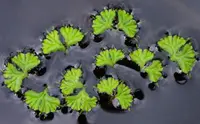
This species naturally forms dense, floating mats on the surface of slow-moving or still freshwater such as ponds, ditches, and boggy streams, an unusual lifestyle for an orchid. Its creeping rhizomes and rooting nodes anchor into submerged organic debris while leaves and flower stalks remain at or above the water.

Night-scented flowers

The small greenish flowers open mainly in summer and often release a stronger fragrance toward evening and night. This timing aligns with the activity of its primary moth pollinators, which are attracted by both scent and the flower’s pale markings.

Specialized nectar spur

Each flower bears a long, narrow nectar spur at the back, which stores nectar accessible only to insects with suitably long proboscises, especially sphinx moths. This floral structure promotes precise pollen transfer between plants and reduces wasted pollen.

Botan icon

Did you know?

Habenaria repens is one of the few orchids native to the southeastern United States that can form extensive floating rafts large enough to significantly alter small wetland habitats, providing shelter for aquatic invertebrates, amphibians, and small fish beneath its root-filled mats.

FAQs about Waterspider bog orchid

Lack of flowering usually comes from insufficient winter rest, too little light, or nutrients out of balance. This species needs a cooler, slightly drier rest period and steady moisture and nutrition during the growing season to set buds.

Grow Healthy Plants with Botan Care

Keep your plants happy and healthy with plant identification, disease detection, and easy care guidance.

Botan plant care app — identify plants on mobile

Explore More Plants