Agave (Agave 'Blue Glow') Watering Guide

This page explains when, how often, and how much to water Agave 'Blue Glow' in simple, practical terms.

Water Requirements

Low Water

Agave 'Blue Glow' Watering

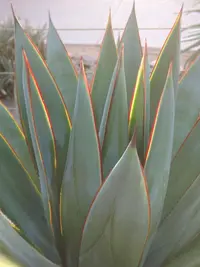
In its arid native habitats, Agave 'Blue Glow' experiences dry soil with brief, infrequent rainfall. This background means the plant prefers soil that dries between sessions rather than consistent moisture.

For watering Agave indoors or in containers, allow more drying time than most houseplants, while outdoor plants handle natural rain better. Overall, aim for a lean, drought-style watering rhythm, then adjust slightly as light, temperature, and potting conditions change.

For Agave 'Blue Glow', let the potting mix dry out completely between waterings. Indoors, this typically means watering about every 2–4 weeks, but timing varies. In brighter light or outdoor summer heat, the soil dries faster, so check dryness before watering instead of following a fixed schedule.

Water Agave ‘Blue Glow’ when the potting mix is completely dry, then give a deep, brief soak that drains quickly.

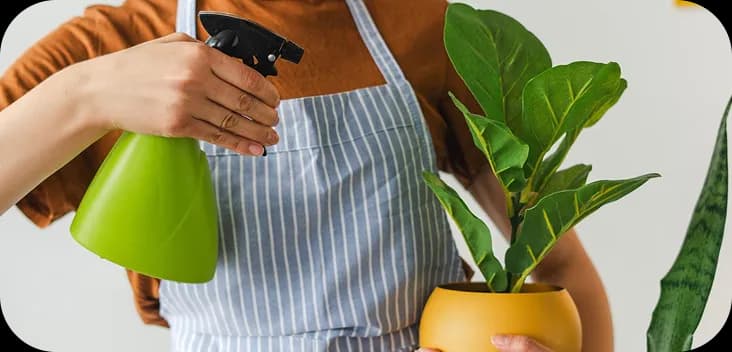
  • Pour room-temperature water slowly over the soil surface, keeping the central rosette and leaves dry to prevent trapped moisture.
  • Continue adding water until it runs from the drainage holes, ensuring the entire root zone is evenly moistened.
  • Let the pot drain freely for several minutes, then empty saucers or cachepots so no water remains standing underneath.
  • Use top watering rather than bottom watering, as fast in-and-out flow better mimics this succulent’s brief natural rain events.

Incorrect moisture levels can stress Agave 'Blue Glow' and gradually weaken overall growth.

Yellowing Lower Leaves:

Older leaves turn dull yellow and mushy from chronic overwatering or slow-draining, compacted potting mix.

Shriveled Leaf Margins:

Leaf edges wrinkle inward when soil stays dry too long and roots cannot access stored moisture.

Blackened Leaf Base:

Dark, soft tissue at the rosette base indicates lingering wet soil and early crown rot risk.

Soggy, Sour-Smelling Soil:

Persistently wet, foul-smelling mix signals poor drainage and likely root suffocation beneath the surface.

Stunted New Growth:

Central leaves emerge small and tight when alternating overwatering and underwatering repeatedly stress root function.

Allow soil to dry deeply between waterings, relying on fast drainage and infrequent, careful soaking.

Unsuitable watering habits weaken Agave 'Blue Glow' by stressing its drought-adapted roots and encouraging problems that dry, rocky habitats naturally prevent.

  • Watering by calendar: Following a fixed schedule ignores pot size, light, and season; instead, water only when the mix is fully dry through the root zone.
  • Poor, moisture-holding soil: Using peat-heavy or dense potting soil traps water around the roots; choose a fast-draining cactus mix with added mineral grit.
  • No drainage or trapped runoff: Keeping the plant in a pot without holes or leaving water in the saucer suffocates roots; discard all runoff promptly.

Base watering on dryness in a fast-draining mix, strong light, and full drainage so this compact agave stays resilient.

  • Spring: Resume light watering as days brighten, letting soil dry completely between drinks to support slow, steady new leaf growth.
  • Summer: In hot, dry heat, water slightly more often, but only when soil is fully dry and night temperatures stay consistently above 60°F.
  • Fall: Gradually extend the dry period between waterings as growth slows, especially if days shorten and indoor light levels drop.
  • Winter: Provide very sparse water, just enough to prevent leaf shriveling, keeping soil nearly dry when temperatures are cool and light is low.

Track Watering. Catch Problems Early

Use Botan to set a simple watering guide and care steps for Agave ‘Blue Glow’, and quickly check plant issues from photos before they become harder to manage.

Botan plant care app — identify plants on mobile

FAQ

Indoors, let the potting mix dry at least 80–100% between waterings. In bright light this may mean every 2–4 weeks. In lower light or cooler rooms, extend intervals and always check soil dryness first.

Everything About Agave

More Plant Watering Guides

Is Your Watering Routine Hurting Your Agave?

Botan reviews your watering pattern so adjustments are straightforward and timely.

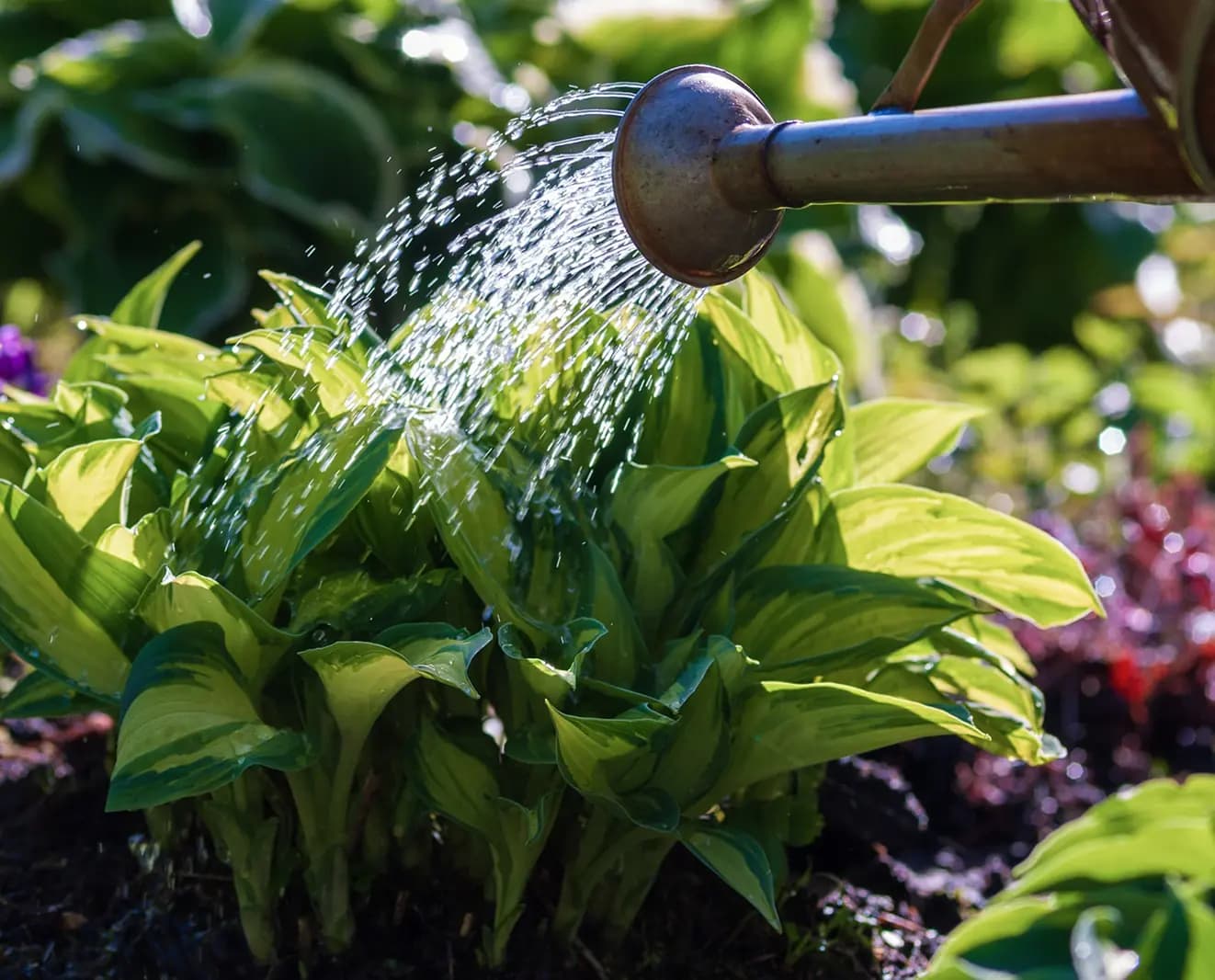
Watering a plant with a copper watering can
Plants That Repel Mosquitoes – 10 Effective Choices

8 min read · 6 Jul 2026

Plants That Repel Mosquitoes – 10 Effective Choices

Plants that repel mosquitoes can help mask human scent naturally and make outdoor spaces more comfortable. Explore the most effective options, their benefits and drawbacks, and choose the right plant for your space.

Plant Recommendations
Plants That Repel Mosquitoes – 10 Effective Choices
Plants That Repel Bugs – 20 Effective Options

12 min read · 16 Jul 2026

Plants That Repel Bugs – 20 Effective Options

Mosquitoes on the patio? Gnats in the kitchen? Some plants keep them away with the scent of their own leaves. Here are 20 that deal with mosquitoes, flies, aphids, and more, plus where to put them so they help.

Plant Recommendations
Plants That Repel Bugs – 20 Effective Options
Best Fertilizer for Vegetable Gardens – What to Use for Each Plant

11 min read · 20 Jul 2026

Best Fertilizer for Vegetable Gardens – What to Use for Each Plant

Here, you’ll find the right fertilizer formula for vegetables in your garden. Learn how to adjust feeding correctly throughout the growing cycle, spot nutrient deficiencies by their symptoms, and keep your plants healthy and prolific.

Plant Recommendations
Best Fertilizer for Vegetable Gardens – What to Use for Each Plant