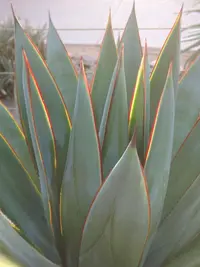


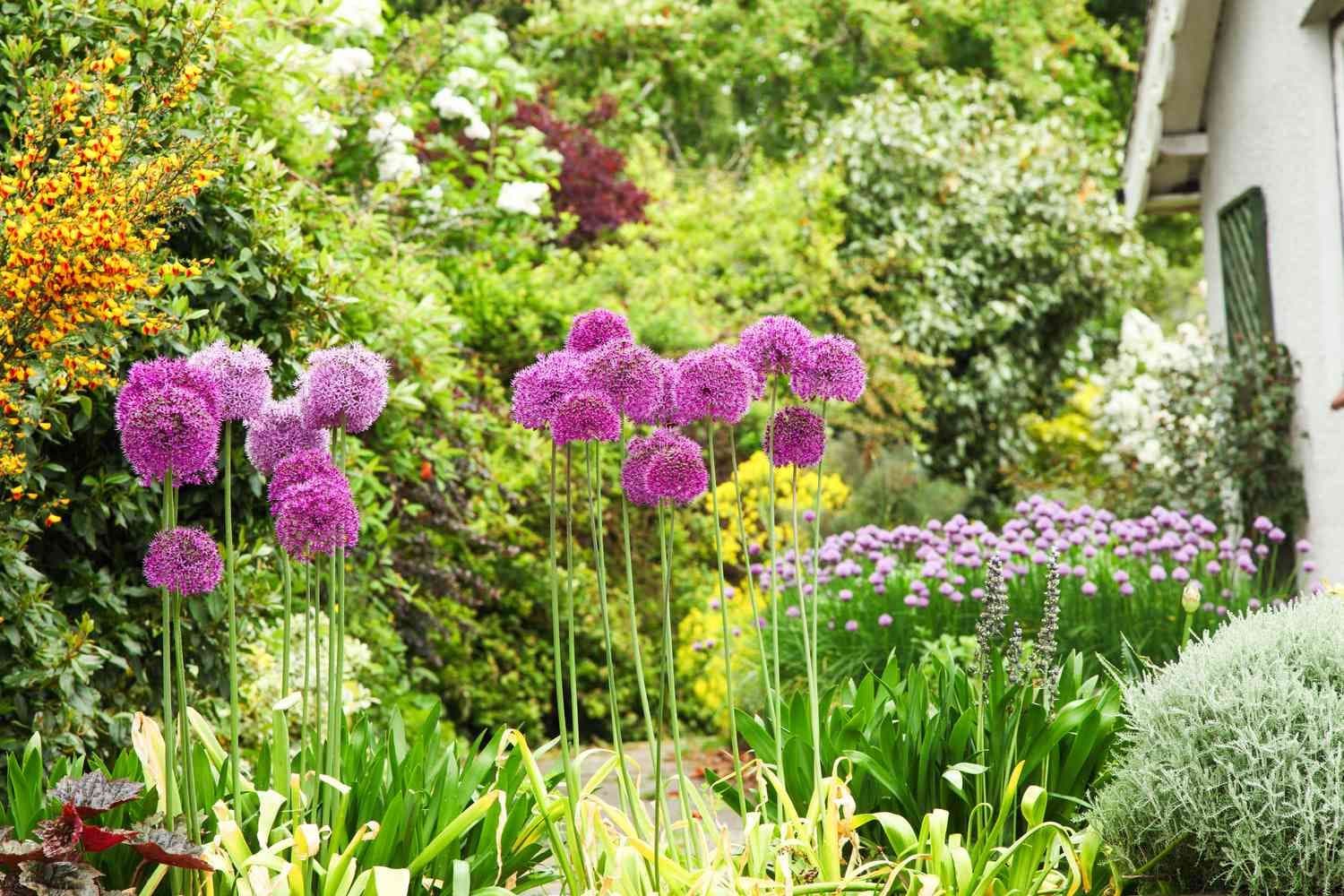
Agave (Agave 'Blue Glow') Light Needs

Agave grows best in full sun, with several hours of direct light and bright exposure for the rest of the day.

Light Preference

Full Sun

Agave 'Blue Glow' Light Requirements

Agave 'Blue Glow' is a cultivated hybrid, so it does not have a single wild native range. Its parentage comes from arid and semi-arid habitats where plants grow in open, rocky sites with strong sun, fast drainage, and occasional light shade from terrain or neighboring vegetation.

In cultivation, that background translates to strong light and good sun exposure. Preferred light is full sun.

  • Ideal exposure:

    Agave 'Blue Glow' needs about 6–8 hours of bright light daily, ideally full sun, including about 4–6 hours of direct sun.

  • Direct sun:

    Established plants tolerate full sun well, but newly moved or greenhouse-grown plants need gradual exposure to avoid sunburn.

  • Lower light:

    Partial sun is tolerated, especially with strong morning light, but shade leads to weaker, less compact growth.

  • Afternoon sun:

    In very hot sites, a little protection from harsh late-afternoon sun can reduce surface scarring.

Indoor placement works only if the plant receives very strong light near the glass.

NPoor
North-facing window:

A north-facing window is usually too dim and leads to stretched, weak growth over time.

ESuitable
East-facing window:

An unobstructed east window can work if it gives several hours of direct morning sun and bright light afterward.

SBest
South-facing window:

A south-facing window is the best indoor option because it provides the longest, brightest exposure.

WSuitable
West-facing window:

A west-facing window can be suitable, but hot afternoon rays may need light filtering during summer heat.

Place it where light is strongest, and expect outdoor growing conditions to give the most compact form.

Strong sun is usually tolerated, but sudden intensity can scar the leaves.

Bleached patches:

Pale cream or whitish areas on the sun-facing side may appear after a fast move into harsher exposure.

Tan scars:

Dry, tan, corky marks can form where tissue was burned and may remain visible on older leaves.

Sunken spots:

Flat or slightly sunken patches are more likely after heat reflected from walls, patios, or windows.

Uneven pattern:

Damage usually appears on the most exposed outer leaves rather than evenly across the whole rosette.

Move Agave 'Blue Glow' to bright light with gentler morning sun or light afternoon filtering. Increase direct sun again in stages over 1–2 weeks.

Weak light changes the plant’s shape before it causes obvious damage. Agave 'Blue Glow' should stay compact when light is adequate.

  • Open rosette:

    New leaves may spread wider apart, giving the rosette a looser look than normal.

  • Stretching center:

    The central growth can look taller or drawn upward as it reaches toward brighter light.

  • Leaning growth:

    A container plant may angle toward the strongest light source instead of growing evenly.

  • Duller color:

    The blue-green leaf color may look flatter, and the edge contrast can be less distinct.

  • Slow active growth:

    Very little new growth during warm, bright months can point to inadequate exposure when other care is steady.

Move it gradually into stronger light, aiming for several hours of direct sun. Avoid shifting a shaded plant straight into hot afternoon exposure.

If ideal full sun is not available, choose the brightest outdoor or indoor spot and prioritize at least 4 hours of direct sun. Partial sun is a workable compromise, but shade is not a good long-term setup.

Rotate containers every few weeks so each side receives similar exposure and the rosette stays even.

Avoid placing it several feet from bright glass or under dense cover, because indirect room light alone is usually too weak.

Get Personalized Care Plan

Scan your plant to receive care tips personalized for your specific plant

FAQ

The best light for Agave is full sun, with about 6–8 hours of bright exposure and roughly 4–6 hours of direct sun when conditions are not extreme.

Everything About Agave

More Plant Light Guides

Get the Botan App

Discover how to care for your plants with Botan.

Botan app identifying a plant with a phone camera
Plants That Repel Mosquitoes – 10 Effective Choices

8 min read · 6 Jul 2026

Plants That Repel Mosquitoes – 10 Effective Choices

Plants that repel mosquitoes can help mask human scent naturally and make outdoor spaces more comfortable. Explore the most effective options, their benefits and drawbacks, and choose the right plant for your space.

Plant Recommendations
Plants That Repel Mosquitoes – 10 Effective Choices
Plants That Repel Bugs – 20 Effective Options

12 min read · 16 Jul 2026

Plants That Repel Bugs – 20 Effective Options

Mosquitoes on the patio? Gnats in the kitchen? Some plants keep them away with the scent of their own leaves. Here are 20 that deal with mosquitoes, flies, aphids, and more, plus where to put them so they help.

Plant Recommendations
Plants That Repel Bugs – 20 Effective Options
Best Fertilizer for Vegetable Gardens – What to Use for Each Plant

11 min read · 20 Jul 2026

Best Fertilizer for Vegetable Gardens – What to Use for Each Plant

Here, you’ll find the right fertilizer formula for vegetables in your garden. Learn how to adjust feeding correctly throughout the growing cycle, spot nutrient deficiencies by their symptoms, and keep your plants healthy and prolific.

Plant Recommendations
Best Fertilizer for Vegetable Gardens – What to Use for Each Plant