okra (Abelmoschus esculentus) Watering Guide

This page explains when, how often, and how much to water Abelmoschus esculentus for steady, healthy growth.

Water Requirements

Regular Water

Abelmoschus esculentus Watering

Healthy growth begins with understanding that this warm-season crop prefers steady moisture in well-aerated soil. In its native tropical and subtropical regions, rainfall is frequent but brief, so soil rarely stays waterlogged.

Abelmoschus esculentus responds best when the soil surface dries slightly between thorough waterings, not prolonged dryness. For watering okra, outdoor beds generally demand deeper, less frequent sessions than container plants, which dry faster and need closer monitoring.

Water when the top 1–2 inches (3–5 cm) of soil feel dry, as this crop prefers consistent but not soggy moisture. In warm growing weather, okra in the ground typically needs watering about every 2–4 days, with hotter, windy conditions shortening this interval and cooler periods extending it.

Water okra when the top inch of soil feels dry and crumbly, using slow, deep watering to reach the full root zone.

  • Apply water at soil level around each plant, keeping stems and foliage as dry as possible to limit disease spread.
  • Pour slowly so moisture penetrates 6–8 inches (15–20 cm) deep, avoiding fast runoff across the bed surface.
  • Irrigate in a wide circle around the base to encourage broad, stable roots rather than shallow, concentrated rooting.
  • Ensure the bed or container drains freely, and empty any standing water from trays or saucers shortly after watering.

Incorrect moisture levels can stress Abelmoschus esculentus and reduce growth or harvest quality.

Yellowing Lower Leaves:

Older leaves yellow and drop when roots sit in saturated soil without enough drainage and aeration.

Wilting In Hot Sun:

Plants droop midday when shallow watering encourages surface roots that dehydrate quickly in heat.

Blossom Drop:

Flowers abort prematurely when soil alternates between drying out completely and sudden heavy soaking.

Cracked Or Woody Pods:

Pods become tough or split when plants face irregular watering and rapid swings in soil moisture.

Stunted Seedlings:

Young plants stay small when seedling beds remain waterlogged, limiting oxygen and early root development.

Keep soil consistently moist but never waterlogged, using deep, infrequent watering adjusted for heat and rainfall.

Poor watering habits can stress Abelmoschus esculentus, limiting flowering and pod production even when light and temperature are correct.

  • Following a fixed schedule: Watering by calendar instead of checking soil moisture can drown roots; test the top layer and adjust to weather changes.
  • Using heavy, dense soil: Planting okra in compact, poorly drained soil traps water around roots; choose loose, sandy or loamy mixes that drain quickly.
  • Letting runoff sit in saucers: Leaving pots in collected runoff keeps roots saturated; empty saucers soon after watering so excess moisture can escape.

Successful okra watering keeps soil evenly moist but never waterlogged, guided by soil feel and drainage rather than rigid timing.

  • Spring: As soil warms and seedlings establish, keep soil consistently moist but not soggy, easing off once roots deepen and growth steadies.
  • Summer: During hot fruiting periods, water deeply and more often, especially in sandy or raised beds that dry faster between irrigations.
  • Fall: As temperatures drop and flowering slows, reduce watering slightly, allowing the topsoil to dry a bit more between waterings.
  • Winter: In frost-free regions with lingering plants, water sparingly; in cold regions, plants usually die back and need no watering.

Get Your okra Watering Schedule

Use Botan for a simple watering guide and care steps for Abelmoschus esculentus, plus gentle photo-based checks that help spot emerging leaf, stem, or soil issues early.

Botan plant care app — identify plants on mobile

Interesting Watering Facts

Heat‑tolerant moisture user

Okra maintains growth and pod production in hot, semi‑arid conditions if soil moisture is steady, which is why it is widely grown in regions with intense sun and episodic rainfall. It prefers consistent moisture at the root zone rather than frequent light surface watering.


Shallow but thirsty roots

The main root system of okra tends to stay relatively shallow in cultivated beds, so the plant responds best to deep, occasional watering that penetrates the top 6–8 inches (15–20 cm) of soil, rather than brief, daily sprinkling that wets only the surface.

Water stress affects pods

Short dry spells during flowering and pod set cause misshapen, fibrous pods and lower yields in okra. Even mild water stress at this stage can reduce tenderness and uniformity, so growers aim to keep soil moisture more even once buds and young pods appear.

FAQ

Yellowing right after watering often signals waterlogged soil, poor drainage, or compacted roots. Check that the container drains freely, loosen heavy soil, and allow the top 1–2 inches to dry before the next drink.

Everything About okra

More Plant Watering Guides

Is Your Watering Routine Hurting Your okra?

Use Botan to review watering patterns and see if moisture levels stay consistent.

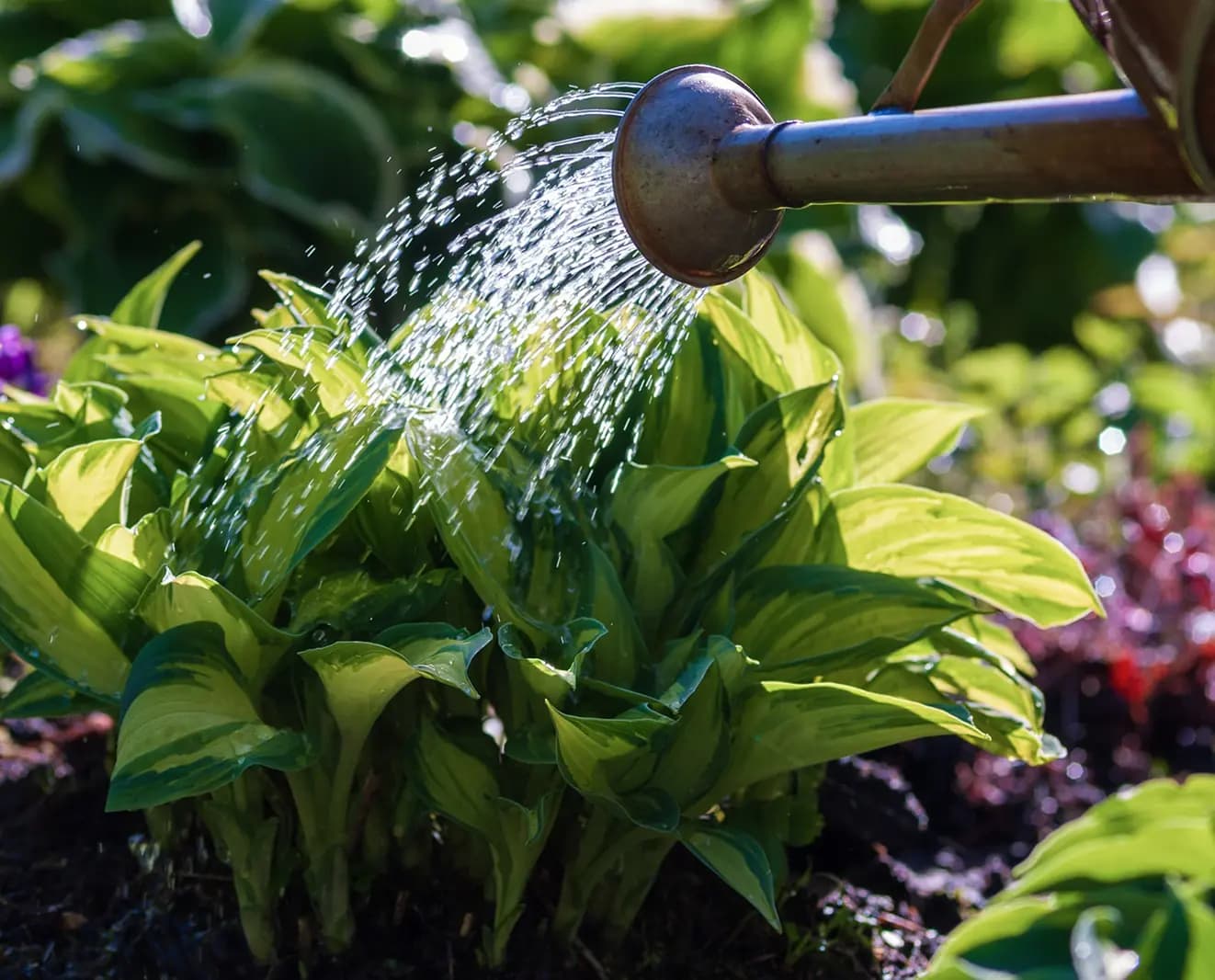
Watering a plant with a copper watering can
How to Water Houseplants: Watering Guide

7 min read · 24 Aug 2026

How to Water Houseplants: Watering Guide

Learn how often to water indoor plants, key factors for proper watering, and how to adjust the care routine by plant type, season, pot size, light, and indoor conditions.

Plant Care
How to Water Houseplants: Watering Guide
How to Group Plants in Landscaping: A Practical Layout Guide

8 min read · 31 Aug 2026

How to Group Plants in Landscaping: A Practical Layout Guide

Good plant grouping can mean the difference between a well-planned garden and one that looks sloppy. This guide explores layers, spacing, cluster shapes, and the plants that thrive when you group them.

Plant Care
How to Group Plants in Landscaping: A Practical Layout Guide
Plant Pot Sizes: How to Choose the Right Plant Container

7 min read · 20 Aug 2026

Plant Pot Sizes: How to Choose the Right Plant Container

Plant pot sizes can be confusing because the number on the label only tells you part of the required information. A container may look spacious but actually be too shallow. So, how to choose pot size for plant species?

Beginner Guides
Plant Pot Sizes: How to Choose the Right Plant Container