



7 min read · 24 Aug 2026
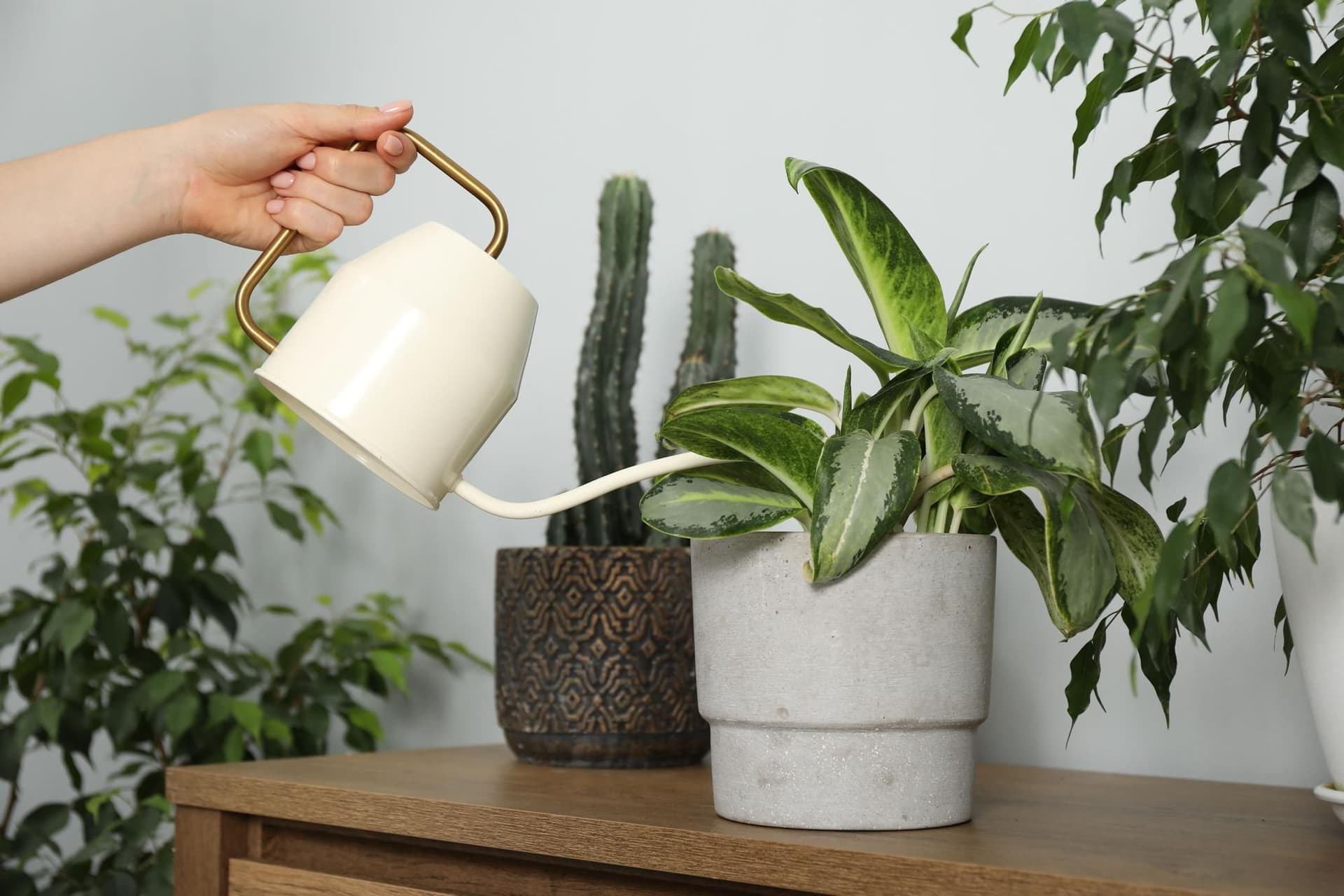
How to Water Houseplants: Watering Guide
Learn how often to water indoor plants, key factors for proper watering, and how to adjust the care routine by plant type, season, pot size, light, and indoor conditions.
Plant Care


Abelmoschus esculentus grows best in loose, fertile, well-drained soil that supports steady root development and good overall plant vigor.

Soil Texture
Sandy, Loamy, Organic-rich

Soil pH
Acidic (5.5–6.5), Slightly acidic (6.5–7.0)

Soil Drainage
Moist but well-drained
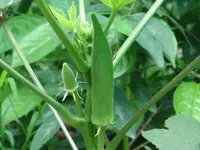
Warm-season growth depends on a loose, fertile root zone that stays evenly moist but drains well. Abelmoschus esculentus is widely grown in hot regions and is thought to have origins in tropical Africa, where warmth and seasonal moisture favor soils that are open, airy, and rich in organic matter rather than dense or sticky.
This plant forms a strong taproot, so okra soil should be deep and easy to penetrate. Sandy or loamy textures suit it best because they hold enough moisture for steady growth while still letting oxygen reach the roots. Slight acidity also supports healthy root function and nutrient uptake.
A simple homemade mix can give Abelmoschus esculentus the balance of structure and moisture control it needs in containers.
The finished blend should feel crumbly and light, hold together briefly when squeezed, and let extra water pass through without staying soggy.
A good target for okra is slightly acidic to near neutral soil, around 5.5–7.0 pH. That range supports steady access to key nutrients such as nitrogen, phosphorus, and potassium.
Outside that range, some nutrients become harder for roots to absorb even when they are present in the soil. This species can handle mild variation, but growth is usually more consistent when pH stays fairly stable.
Soil issues can slow growth or reduce pod production, especially in warm-season crops. In okra, check the root zone before assuming a larger care problem.
Compacted soil: slow growth and water sitting on the surface can mean poor air flow, so gently loosen the top layer and improve soil structure.
Waterlogged mix: a sour smell or soil that stays wet too long may point to excess moisture, so increase drainage and remove any trapped water.
Dry, shrinking soil: if the mix pulls away from the pot edge, rewet it gradually and restore more even moisture through the root zone.
Low organic content: weak, thin growth in tired soil can suggest limited nutrient holding, so work in finished compost or refresh part of the mix.

Plant Soil Guide
Find the right soil mix for your plant and support healthier root growth
Botan helps match the plant to a more suitable soil setup so it is easier to choose the right texture and drainage.
Yes. This species forms a strong taproot, so a deeper container supports better rooting and more stable moisture. Shallow pots dry unevenly and can limit development before the top growth catches up.
If a plant looks off, soil may be part of the cause. Botan’s photo-based assessment can help you decide what to check next.
7 min read · 24 Aug 2026
Learn how often to water indoor plants, key factors for proper watering, and how to adjust the care routine by plant type, season, pot size, light, and indoor conditions.
8 min read · 31 Aug 2026
Good plant grouping can mean the difference between a well-planned garden and one that looks sloppy. This guide explores layers, spacing, cluster shapes, and the plants that thrive when you group them.
7 min read · 20 Aug 2026
Plant pot sizes can be confusing because the number on the label only tells you part of the required information. A container may look spacious but actually be too shallow. So, how to choose pot size for plant species?