Huernia thuretii Care

Huernia thuretii

About Huernia thuretii

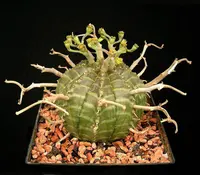
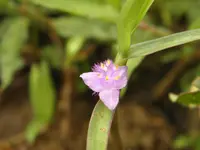
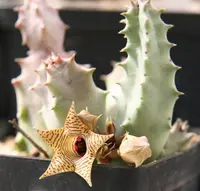
Huernia thuretii is a small, clumping succulent from arid regions of southern Africa. It forms low mats of thick, toothed, leafless stems that store water. In season, it produces unusual star-shaped flowers, often mottled or patterned, which appear along the sides of the stems and can attract close attention from collectors. This species suits containers, rock gardens, and bright indoor windowsills. It stays compact and grows slowly, which makes it suitable for small spaces. Understanding how to care for Huernia thuretii mainly involves providing strong light, very fast-draining soil, and careful watering that avoids prolonged wetness around the roots.

Main Plant Requirements

Care Difficulty

Moderate Care

Light Preference

Partial Sun

Water Requirements

Low Water

Temperature Preference

Tropical / Frost Sensitive

Hardiness Zone

10–11

Soil Texture

Sandy, Loamy, Rocky

Soil pH

Slightly acidic (6.5–7.0), Neutral (7.0)

Soil Drainage

Well-drained

Fertilization

Minimal (feed rarely)

Get Personalized Care Plan

Scan your plant to receive care tips personalized for your specific plant

Available on iOS and Android

How to Care for the Huernia thuretii

This compact succulent prefers bright, indirect light that mimics its native semi-desert habitat.

  • Provide 4–6 hours of bright, filtered light daily, such as an east or lightly shaded south exposure, to support compact, sturdy growth in Huernia thuretii.
  • Allow gentle morning sun but protect from harsh midday and afternoon sun, which can cause stem scorching, yellowing, or purple stress coloration on the fleshy stems.
  • In summer, increase shading during heat waves; in winter, move closer to the brightest window or use supplemental light to prevent weak, stretched growth.

This species stores moisture in its stems and needs infrequent, careful watering to avoid root rot.

  • Water only when the top 3–5 cm of soil are completely dry, then soak thoroughly and let excess drain away without leaving the pot standing in water.
  • In spring and summer, drying may take 7–21 days depending on light and temperature; in cooler, darker months, water much less often and allow longer dry periods.
  • Signs of overwatering include mushy, collapsing stems and a sour soil smell, while deep wrinkling and very lightweight soil signal that the plant is too dry.

This plant prefers warm, stable conditions with protection from frost and extreme heat.

  • Aim for 70–80°F (21–27°C) for strongest growth, with acceptable ranges of 60–85°F (16–29°C) if changes are gradual and not combined with overwatering.
  • Protect from temperatures below 40°F (4°C); short dips to 35°F (2°C) may be tolerated if soil is dry, but frost can permanently damage the soft stems.
  • In hot spells above 90°F (32°C), increase shade and airflow, avoid midday watering, and keep roots slightly drier to reduce stress and prevent rot.

This succulent prefers dry indoor air and usually does not need extra humidity management.

  • Aim for 30–50% humidity, similar to most heated or air-conditioned homes.
  • Huernia thuretii tolerates very dry air but may wrinkle slightly if combined with underwatering.
  • If stems shrivel despite moist soil, lower humidity and increase air movement to reduce rot risk.

This species needs a very fast-draining, mineral-rich mix that mimics desert soils.

  • Use a gritty mix such as 60–70% inorganic material (pumice, coarse perlite, or grit) with 30–40% cactus potting mix.
  • Keep structure loose and airy; avoid fine peat-heavy mixes that compact and hold water around roots.
  • Aim for slightly acidic to neutral pH, roughly 6.0–7.0, which most commercial cactus mixes already provide.
  • If water sits on the surface or the pot feels heavy for many hours, increase the proportion of coarse mineral components.

This species is well suited to container growing due to its compact, shallow root system.

  • Choose a wide, shallow pot that allows stems to spread while preventing prolonged moisture in deeper soil layers.
  • Select unglazed clay if extra evaporation is needed, or plastic in very dry climates to slow moisture loss.
  • Ensure drain holes stay clear by using a coarse top layer of grit so trailing stems do not block water flow.

Feeding needs are modest, as Huernia thuretii is adapted to low-nutrient, sandy habitats.

  • Use a balanced, low-nitrogen succulent fertilizer or diluted 10-10-10 at 1/4–1/2 strength.
  • Apply liquid feed every 4–6 weeks during the warm growing season when light is strong.
  • Avoid compost-rich mixes and high-organic fertilizers that stay wet too long.
  • Stop fertilizing in winter dormancy, when growth slows and roots use minimal nutrients.

Pruning Huernia thuretii mainly maintains plant health and a compact, tidy form.

  • Best timing is late spring to early summer, when growth is active and wounds seal faster.
  • Remove dead, shriveled, or blackened stems with clean, sharp scissors or small pruning snips.
  • Thin crowded, etiolated (stretched) stems to improve light penetration and airflow in the clump.
  • Cut just above a joint and allow cut surfaces to dry, which limits rot and encourages new shoots.

This succulent prefers tight pots and infrequent disturbance, so repot only when clear signs appear.

  • Check for roots circling the pot, emerging from drainage holes, or unexplained slow growth in good light.
  • Plan to repot every 2–3 years in spring, using a shallow container with excellent drainage holes.
  • Use a very gritty, fast-draining cactus mix and handle stems gently to avoid breaking brittle roots.
  • Lift the plant, shake off old soil, trim any rotten roots, then replant and keep soil slightly dry for 5–7 days.

Multiplying Huernia thuretii is commonly done from stem cuttings, which root well in warm, dry air.

  • Take healthy, firm stems in late spring or summer, cutting with a sterile knife or scissors.
  • Let cuttings air-dry for 2–5 days until a dry callus forms at the cut end to reduce rot risk.
  • Place callused stems upright on gritty, barely moist cactus mix in bright, indirect light.
  • Keep temperatures around 70–80°F with low–moderate humidity; water sparingly until new roots form.

Cold conditions can damage this tender succulent, so winter care focuses on temperature and moisture control.

  • Not frost hardy; keep above 40°F, ideally 50–60°F, to prevent stem damage or collapse.
  • In cold regions, move containers indoors to a bright windowsill or under grow lights before first frost.
  • Water very lightly, allowing soil to dry almost completely between sips, to avoid cold, wet root rot.
  • Ensure good air circulation away from drafts or heater vents that cause sudden temperature swings.

Care Tips

Shallow pot choice

Use a wide, shallow pot with several drainage holes to let the creeping stems root along the surface while avoiding moisture buildup in deeper soil layers.

Top-dressing with grit

Add a 0.5–1 cm layer of inert grit or pumice on the soil surface to keep the base of the stems dry, reduce rot risk, and prevent algae or fungus gnat larvae.

Strategic stem division

Every 2–3 years, lift and gently separate firm, unshrivelled stems with visible roots, then replant sections slightly spaced apart to refresh growth and reduce overcrowding.

Elevated display position

Place the pot on a plant stand or shelf edge so stems can hang slightly over the rim, which improves air circulation around the crown and makes bloom inspection for pests easier when caring for Huernia thuretii.

Controlled outdoor stint

In warm seasons, move the plant outdoors to a bright, shaded position with good airflow for 2–3 months, but harden it off over 7–10 days to prevent sun scorch and sudden stress.

Common Pests and Diseases

Mealybugs

This pest often hides in stem joints and along the ribbed surfaces, sucking sap and causing yellowing, stunted segments, and sticky honeydew. Symptoms include cottony white clusters that can quickly spread between crowded stems and nearby succulents.

Solution

Isolate the plant, then dab visible insects with cotton swabs dipped in 70% isopropyl alcohol and repeat weekly until no new clusters appear. Improve light and airflow, avoid overfertilizing, and if the infestation is extensive, use a ready-to-use insecticidal soap or systemic insecticide labeled for succulents, following directions carefully.

Root and stem rot

This disease affects plants kept in cold, damp, or poorly drained conditions, causing blackened, mushy roots and basal stems that collapse from the soil line upward. Symptoms include sour smell, shrinking stems, and segments that detach easily.

Solution

Remove the plant from its pot, trim away all soft or blackened tissue, and discard the old soil. Allow remaining healthy segments to dry for 1–2 days, then re-root them in a fresh, fast-draining cactus mix, and in future water deeply but infrequently, especially in cool weather, to support stable Huernia thuretii care instructions.

Soft scale

These insects appear as small, rounded or oval bumps on stems and along ridges, feeding on sap and weakening the plant. Symptoms include sticky honeydew, sooty mold growth, and gradual loss of vigor.

Solution

Gently scrape or wipe off scales with a soft brush or cloth dipped in diluted isopropyl alcohol, taking care not to damage the succulent tissue. Repeat every 7–10 days and, for persistent populations, apply horticultural oil or insecticidal soap, ensuring thorough coverage of stems and crevices.

Fungal leaf spot

This disease produces small, sunken, dark spots or lesions on the fleshy stems, often starting where water stays on the surface for long periods. Spots may expand, merge, and cause localized stem collapse in humid, poorly ventilated conditions.

Solution

Cut away and discard affected segments with a sterile blade, and allow cut surfaces to dry and callus for 1–2 days before replanting. Reduce overhead watering, provide stronger airflow and brighter light, and if new spots continue to appear, use a sulfur-based or copper fungicide labeled for succulents, following label instructions.

Interesting Facts

Carrion-scented flowers

Its star-shaped flowers emit a faint carrion-like odor that attracts specific fly species, which act as pollinators by mistaking the flower surface for decaying organic matter.

Raised nectar guide ridges

The inner surface of the corolla has raised, toothed ridges and contrasting spotting that act as visual and tactile guides, directing visiting insects toward the nectaries and improving pollination efficiency.

South African cliff specialist

This species is native to arid regions of South Africa and often grows in rock crevices or among stones, where partial shading and rapid drainage protect its shallow roots from overheating and rot.

Botan icon

Did you know?

Huernia thuretii has a characteristic five-pointed, fleshy corolla with thickened, slightly reflexed lobes that form a shallow cup, a floral shape considered diagnostic in separating it from closely related Huernia species in taxonomic studies.

FAQs about Huernia thuretii

Lack of blooms usually comes from insufficient light, overly rich soil, or frequent watering that keeps the roots damp. Cool, bright, dry conditions in late winter to early summer help trigger buds, while stable, modest feeding prevents excess vegetative growth.

Grow Healthy Plants with Botan Care

Keep your plants happy and healthy with plant identification, disease detection, and easy care guidance.

Botan plant care app — identify plants on mobile

Explore More Plants