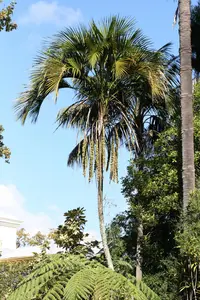
Cuneate Shadowpalm Care (Geonoma cuneata)

Cuneate Shadowpalm

About Cuneate Shadowpalm

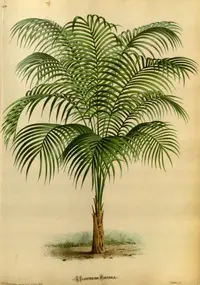
Geonoma cuneata, commonly called cuneate shadowpalm, is a small, understory palm native to tropical rainforests of Central and South America. It typically forms a slender trunk with narrow, often clustered leaves that create a graceful, layered look.

This species is adapted to low, filtered light and consistently moist, humus-rich forest soils. Its slow growth and preference for stable warmth and humidity make it more suited to patient growers or controlled indoor conditions.

Understanding how to care for Cuneate Shadowpalm starts with replicating its shaded, sheltered habitat and avoiding dry air or intense direct sun.

Main Plant Requirements

Care Difficulty

Hard Care

Light Preference

Partial Shade

Water Requirements

Keep Soil Moist

Temperature Preference

Tropical / Frost Sensitive

Hardiness Zone

11–12

Soil Texture

Loamy, Peaty, Organic-rich

Soil pH

Strongly acidic (4.5–5.5), Acidic (5.5–6.5)

Soil Drainage

Moist but well-drained

Fertilization

Light (every 4–6 weeks)

Get Personalized Care Plan

Scan your plant to receive care tips personalized for your specific plant

Available on iOS and Android

How to Care for the Cuneate Shadowpalm

This understory palm prefers soft, filtered light that mimics a forest floor environment.

  • Provide bright, indirect light or dappled shade for 6–8 hours daily; morning sun filtered through sheer cover is acceptable, but avoid harsh midday and afternoon rays.
  • Site Cuneate Shadowpalm where it receives high, shifting shade under taller plants or structures, as direct sun can scorch leaves and cause pale, dry patches.
  • If light is too low, new fronds emerge small and weak; in winter, move plants slightly closer to bright windows or brighter canopy gaps to compensate for shorter days.

This species favors consistently moist but not waterlogged soil, similar to a humid forest floor.

  • Before watering, check that the top 2–3 cm of soil feels just starting to dry; then water thoroughly so moisture reaches the root zone without leaving standing water.
  • Use a rich, well-draining mix and avoid compacted or heavy clay, which promotes root rot; improve drainage with fine bark or perlite if necessary.
  • In warm growing seasons, drying may occur faster, while in cooler months intervals lengthen; drooping, crisp leaf tips suggest underwatering, whereas yellowing lower fronds and a sour soil smell point to overwatering.

This palm thrives in warm, stable conditions and reacts poorly to cold or sudden temperature swings.

  • Aim for 70–80°F (21–27°C) for best growth, with acceptable ranges down to about 65°F (18°C) and up to 85°F (29°C) if humidity stays high.
  • Protect Geonoma cuneata from temperatures below 55°F (13°C); prolonged exposure near this level can stunt growth, and light frost can permanently damage fronds or kill young plants.
  • During hot spells above 85–90°F (29–32°C), increase shade and humidity and ensure soil does not dry out completely, while also providing airflow to prevent heat stress and fungal issues.

This understory palm prefers consistently moist air and reacts quickly to dry indoor conditions.

  • Aim for 60–80% humidity; prolonged levels below 45% often cause leaflet browning and crisp edges.
  • Use a room humidifier or place the pot on a pebble tray with water, keeping the pot base above the waterline.
  • Increase local humidity with grouped plants and avoid strong drafts or heating vents that rapidly dry Cuneate Shadowpalm foliage.

Geonoma cuneata prefers a loose, organic-rich mix that stays evenly moist yet drains freely.

  • Use a peat- or coco coir–based mix with 30–40% perlite and/or fine bark to create a light, fibrous texture.
  • Target slightly acidic to neutral pH around 6.0–7.0, which supports balanced nutrient availability for root growth.
  • Incorporate leaf mold or compost in modest amounts for structure and moisture retention, not as the dominant component.
  • Avoid heavy clay, compacted mixes, or pots that hold standing water, which promote root rot and suffocation of fine feeder roots.

This small palm adapts well to container growing when its shallow, fibrous roots are given stable, moist conditions without waterlogging.

  • Choose a tall, narrow pot that supports the upright stem while limiting excess wet substrate at the base.
  • Select a heavier material such as ceramic if the plant grows tall, to prevent tipping in light winds or minor knocks.
  • Ensure drainage holes stay clear and elevate the pot slightly so runoff can leave the container tray quickly.

This understory palm benefits from light, consistent feeding rather than heavy doses, especially in containers.

  • Use a balanced, dilute liquid fertilizer (around 10-10-10) at 1/4–1/2 strength every 4–6 weeks during spring and summer for Cuneate Shadowpalm.
  • Choose either a balanced NPK, slow-release palm formulation, or well-aged compost, not all at once.
  • Rinse the soil lightly before feeding if salt buildup (white crust on soil or pot) is visible.
  • Reduce or stop fertilizing in fall and winter when growth slows, to avoid weak, overly soft tissue.

Geonoma cuneata needs minimal pruning, focused mainly on cleanliness and safety rather than shaping.

  • Best time to prune is late winter to early spring, before strong new growth starts.
  • Remove only dead, yellowing, or badly damaged fronds at the base using clean, sharp pruners.
  • Leave healthy green fronds to support photosynthesis and maintain a natural, upright form.
  • Sterilize tools with alcohol between cuts to lower the risk of spreading disease.

This palm prefers stable conditions, so repotting or transplanting should be infrequent and gentle.

  • Repot container plants when roots circle the pot, drainage slows, or growth becomes noticeably weak.
  • Aim to repot in spring every 3–4 years, moving only 1 pot size up with a airy, well-drained mix.
  • Water well 1–2 days before moving the plant to reduce root stress and soil crumbling.
  • After repotting or transplanting, keep it shaded, evenly moist, and sheltered from wind for 1–2 weeks.

Geonoma cuneata is usually propagated from seed, which is slow and requires patience and stable warmth.

  • Collect fresh, fully ripe fruits, clean off pulp, and sow seeds promptly for best viability.
  • Use a sterile, very well-drained mix, keep around 75–85°F, and maintain high humidity for germination.
  • Provide bright, indirect light and consistent moisture, never waterlogged, during the long germination period.
  • Transplant seedlings only once they have several true leaves and a firm root system.

This tropical palm is frost sensitive and needs careful winter care in most temperate climates.

  • Avoid exposure to temperatures below about 40°F; freezing can damage foliage and stems.
  • In the ground, apply a 5–8 cm organic mulch layer around the root zone, keeping it off the trunk.
  • For containers, move plants indoors or into a heated greenhouse before the first frost, with bright, filtered light.

Care Tips

Sturdy pot choice

Use a tall, heavy-bottomed pot with a slightly wider base than top to counter the narrow, upright crown and reduce the risk of the palm toppling as it gains height and leaf mass.

Leaf frond hygiene

Wipe both sides of the leaflets every 2–4 weeks with a soft, damp microfiber cloth to remove dust, which improves light capture, reduces mite pressure, and keeps the delicate leaf tissue from clogging with residues.

Airflow without drafts

Position the plant where there is gentle, consistent air movement from a ceiling or oscillating fan on low, but avoid direct drafts from vents or open windows, which can desiccate the thin leaflets and cause browning edges.

Root monitoring routine

Check drainage holes monthly for visible roots and gently slide the root ball partway from the pot once or twice a year; if you see dense circling roots along the outer edge, plan a careful repot into the next pot size to prevent stunting.

Slow acclimation moves

When changing its position, especially to different light or humidity levels, shift the plant gradually over 1–2 weeks in small moves rather than all at once, which reduces stress and leaf drop when caring for Cuneate Shadowpalm.

Common Pests and Diseases

Scale insects

This pest feeds on palm leaf and stem sap, often appearing as small brown or gray bumps along the midrib and petioles. Symptoms include sticky honeydew, sooty black coating on leaves, and gradual yellowing or decline of fronds.

Solution

Remove localized infestations by gently scraping or wiping with cotton pads dipped in isopropyl alcohol, then rinse foliage with lukewarm water. In shaded, humid sites where scale persists, use repeated applications of a light horticultural oil, ensuring thorough coverage of the undersides of leaves and leaf bases while improving air movement around the plant.

Spider mites

These insects favor the warm, dry air often found around indoor or sheltered Cuneate Shadowpalm plants and cause fine stippling, bronzing, and eventual drying of leaflets. Symptoms include very fine webbing, especially along leaflet edges and in folded growth areas.

Solution

Increase humidity around the plant and hose or shower the foliage thoroughly, focusing on the undersides of leaflets to physically remove mites. For ongoing issues, apply insecticidal soap or a neem-based product every 5–7 days for several cycles, and avoid placing the plant in hot, dry air streams from heaters or vents.

Pink rot

This disease, often caused by fungal pathogens such as Nalanthamala vermoeseni (formerly Gliocladium), affects palms kept in cool, overly damp shade and leads to brown, water-soaked lesions and collapse of young spears or leaflet bases. Symptoms include soft, discolored tissue that may show pink or salmon spore masses under very humid conditions.

Solution

Remove and discard all affected fronds and spear tissue, cutting back to firm, healthy tissue with sterilized tools, and keep the crown area as dry as possible. Improve drainage, reduce overhead watering, and, in persistent or valuable specimens, use a labeled systemic fungicide for ornamental palms as a drench or crown treatment according to product directions.

Leaf spot

This disease produces scattered tan, brown, or dark purple spots on the thin leaflets, sometimes with a yellow halo, under conditions of prolonged surface moisture and poor air circulation. Symptoms include cosmetic blighting of older fronds and, in severe cases, partial leaflet death starting at the tips or along the margins.

Solution

Prune and dispose of heavily spotted fronds, avoid wetting foliage late in the day, and ensure adequate spacing and airflow around the plant. If new spots continue to develop, apply a palm-safe foliar fungicide based on copper or chlorothalonil at labeled intervals, focusing on new and recently expanded leaves.

Mealybugs

These insects hide in leaflet bases and along the rachis, appearing as white cottony clusters that excrete honeydew and weaken the palm over time. Symptoms include sticky residue, distorted new growth, and gradual yellowing where infestations are heavy and persistent.

Solution

Physically remove visible colonies with cotton swabs dipped in isopropyl alcohol, then rinse the plant thoroughly to dislodge remaining insects. For recurrent infestations, use repeated treatments with insecticidal soap or a low-rate systemic insecticide labeled for indoor palms, and isolate the plant from others until populations are clearly declining.

Interesting Facts

Understory shade specialist

This palm naturally grows in the deep shade of lowland to montane rainforests in Central and South America, forming part of the dense understory rather than the canopy.

Highly variable leaves

Populations of this species can show notable variation in leaf shape and division, ranging from simple, entire leaf blades to more divided forms, which has contributed to taxonomic confusion within the Geonoma genus.

Moist forest indicator

In the wild, this species is often associated with consistently moist, humid forest habitats, so its presence can indicate stable, shaded microclimates with relatively undisturbed soil and canopy cover.

FAQs about Cuneate Shadowpalm

Growth is slow to moderate. In suitable warm, humid conditions it may add roughly 10–20 cm of height per year. Container plants often grow more slowly, especially with limited root space or cooler indoor temperatures.

Grow Healthy Plants with Botan Care

Keep your plants happy and healthy with plant identification, disease detection, and easy care guidance.

Botan plant care app — identify plants on mobile

Explore More Plants