


Pinch For Bushiness
Pinch back 1–2 cm of soft shoot tips every 4–6 weeks during active growth to keep plants compact and encourage dense foliage rather than long, leggy stems.


Goldfussia (Strobilanthes anisophylla) is a compact, evergreen shrub grown mainly for its soft, glossy green leaves and small tubular purple flowers. It is often used as a low hedge, border plant, or container specimen in warm climates and bright indoor spaces.
This species comes from tropical regions of India and nearby areas, so it prefers consistently warm conditions and does not tolerate frost. It grows quickly in bright, filtered light with evenly moist, well-drained soil.
Because it reacts fairly quickly to drying out or low light with leaf drop or weak growth, it needs regular attention but is not demanding once its basic needs are understood. Many growers find it helpful to learn how to care for goldfussia before using it as a long-term indoor plant.

Care Difficulty
Moderate Care

Light Preference
Bright Indirect Light

Water Requirements
Keep Soil Moist

Temperature Preference
Tropical / Frost Sensitive

Hardiness Zone
10–11

Soil Texture
Loamy, Organic-rich

Soil pH
Acidic (5.5–6.5), Slightly acidic (6.5–7.0)

Soil Drainage
Moist but well-drained

Fertilization
Moderate (every 2–4 weeks)
Scan your plant to receive care tips personalized for your specific plant
Available on iOS and Android
This shrub prefers bright, gentle light to support dense foliage and flowering.
This plant benefits from consistently moist but not saturated soil.
This species grows best in warm, frost-free conditions.
This species prefers moderately high humidity for best leaf color and growth.
This plant grows best in a loose, moist but sharply draining substrate.
This species adapts very well to container culture for patios or as a seasonal feature.
This species responds well to modest, consistent feeding during its active growing season.
Strobilanthes anisophylla benefits from light structural pruning to stay dense and flowering.
Container-grown plants appreciate occasional repotting to maintain healthy, vigorous growth.
This ornamental shrub is most often multiplied through stem cuttings for consistent results.
This plant is frost tender and needs protection in climates with cold winters.

Plant Health Check
Not sure what's wrong with your plant? Check your plant's health inside the app.
This species typically shows anisophylly, meaning each node carries a pair of leaves of unequal size, a trait reflected in its species name anisophylla. The smaller and larger leaves can differ noticeably in shape and area on the same stem.
Young stems and leaf surfaces are clothed in fine, soft hairs, giving the plant a slightly velvety texture. These hairs help reduce water loss and can offer mild protection from small herbivores.
The plant produces slender, tubular, purple to violet flowers arranged near stem tips, typical of the Acanthaceae family. Their shape suggests adaptation to pollinators with longer mouthparts, such as certain bees or butterflies.
Lack of blooms usually comes from insufficient light, old woody stems, or skipped pruning after flowering. Lightly prune after each flush, feed with a balanced fertilizer, and avoid heavy shade to support growing goldfussia with reliable flowering.
Keep your plants happy and healthy with plant identification, disease detection, and easy care guidance.

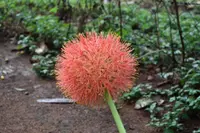
fireball lily
Scadoxus multiflorus
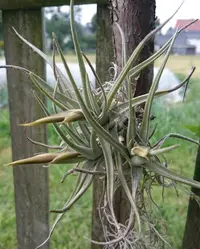
Tillandsia xiphioides
Tillandsia xiphioides

Wintercreeper
Euonymus fortunei var. radicans 'Emerald 'n Gold'
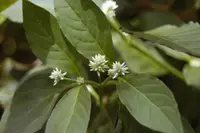
Brazilian joyweed
Alternanthera brasiliana
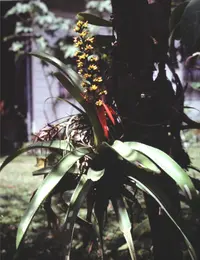
Aechmea mertensii
Aechmea mertensii

Coleus
Coleus scutellarioides 'Alabama Sunset'

hairy lip fern
Hemionitis lanosa
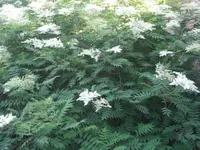
False spiraea
Sorbaria sorbifolia