Mulch For Root Coolness
Apply a 5–8 cm layer of pine bark or shredded conifer mulch over the root zone each spring to keep roots cool, conserve moisture, and maintain the acidic conditions this shrub prefers.

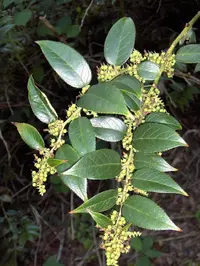
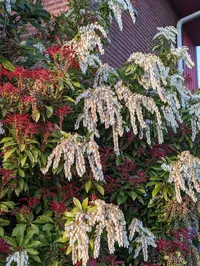
Highland doghobble (Leucothoe fontanesiana) is an evergreen shrub grown mainly for its arching stems and glossy, lance-shaped leaves. New foliage often emerges bronze or red before turning rich green.
In the wild it occurs in moist, wooded slopes and stream banks of the Appalachian Mountains in the eastern United States. It forms dense thickets and works well as a shade shrub or informal hedge.
This plant prefers consistently moist, acidic, well-drained soil and protection from harsh afternoon sun. Understanding these basic needs makes it easier to care for highland doghobble, especially in regions with mild, humid climates.

Care Difficulty
Moderate Care

Light Preference
Partial Shade

Water Requirements
Keep Soil Moist

Temperature Preference
Cold Hardy

Hardiness Zone
5–8

Soil Texture
Loamy, Peaty, Organic-rich

Soil pH
Strongly acidic (4.5–5.5), Acidic (5.5–6.5)

Soil Drainage
Moist but well-drained

Fertilization
Minimal (feed rarely)
Scan your plant to receive care tips personalized for your specific plant
Available on iOS and Android
Leucothoe fontanesiana prefers bright, indirect light with protection from intense midday sun.
This shrub thrives in consistently moist, cool, well‑drained soil.
This species prefers cool to mild conditions and tolerates winter cold once established.
This shrub prefers moderately moist air and benefits from stable humidity.
Leucothoe fontanesiana grows best in consistently moist, acidic, well-drained soil rich in organic matter.
This species can grow successfully in containers when moisture and root space are carefully managed.
Leucothoe fontanesiana benefits from light, targeted feeding rather than heavy fertilization.
Thoughtful pruning keeps Leucothoe fontanesiana dense, healthy, and attractive.
This shrub is usually grown in the ground, so focus on careful site planting and occasional transplanting rather than frequent repotting.
Leucothoe fontanesiana is commonly propagated from semi-ripe cuttings and simple layering for consistent results.
Leucothoe fontanesiana is generally cold hardy in suitable climates and needs only modest winter care outdoors.

Plant Health Check
Not sure what's wrong with your plant? Check your plant's health inside the app.
This species is naturally found along cool, moist Appalachian mountain streams and ravines, where its arching stems help stabilize steep, eroding banks.
Unlike many broadleaf shrubs, it keeps its foliage year-round in deep woodland shade, with leaves that can take on bronzy or purplish tones in colder weather.
In the wild it occurs almost exclusively in acidic, humus-rich soils, so its presence often signals nutrient-poor but organically rich forest conditions.
This species is an evergreen shrub in most temperate climates, retaining foliage year-round. Leaves may bronze, redden, or show partial drop in severe cold or drought, but the plant generally maintains a persistent leafy structure.
Keep your plants happy and healthy with plant identification, disease detection, and easy care guidance.