Japanese Pieris Care (Pieris japonica 'Mountain Fire')

Also known as: Andromeda, Japanese Andromeda, Lily of the Valley Shrub
Japanese Pieris

About Japanese Pieris

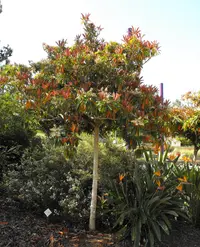
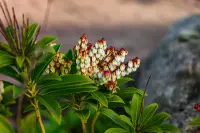
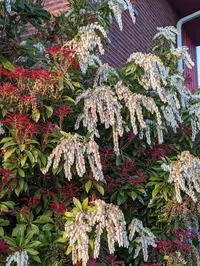
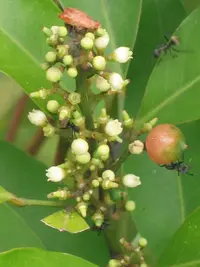
Pieris japonica 'Mountain Fire' is an evergreen shrub grown mainly for its striking red new foliage, which matures to glossy deep green. It forms a compact, bushy shape with tiers of leaves and dangling clusters of small, urn-shaped white flowers in early spring.

This plant is native to mountain woodlands of Japan and East Asia, where it grows as an understory shrub in cool, acidic, humus-rich soils. It prefers partial shade, consistent moisture, and protection from harsh wind, which guides how to care for Japanese Pieris.

Its preference for acidic, well-drained soil and dislike of drought or waterlogging can make it moderately demanding for beginners, but it is reliable when conditions are suitable.

Main Plant Requirements

Care Difficulty

Moderate Care

Light Preference

Partial Shade

Water Requirements

Regular Water

Temperature Preference

Cold Hardy

Hardiness Zone

5–8

Soil Texture

Loamy, Peaty, Organic-rich

Soil pH

Strongly acidic (4.5–5.5), Acidic (5.5–6.5)

Soil Drainage

Moist but well-drained

Fertilization

Light (every 4–6 weeks)

Get Personalized Care Plan

Scan your plant to receive care tips personalized for your specific plant

Available on iOS and Android

How to Care for the Japanese Pieris

This shrub prefers bright but gentle light to support healthy foliage color and flowering.

  • Provide 3–5 hours of direct morning sun with light afternoon shade; dappled light all day under high trees suits Japanese Pieris well.
  • Avoid harsh afternoon sun in hot summers, which can scorch new red leaves and bleach older foliage, especially in zones warmer than 7.
  • In cooler climates, give a bit more sun in winter and early spring, but monitor for pale, leggy growth as a sign of insufficient light.

This plant prefers consistently moist, cool soil that never stays waterlogged.

  • Water when the top 3–5 cm of soil feels dry, soaking the root zone thoroughly, then allow excess to drain away.
  • During hot, dry weather, expect to water more often, while in cool or rainy seasons watering may be needed only when soil starts to lose surface moisture.
  • Pieris japonica 'Mountain Fire' shows underwatering through drooping, crisp leaf edges, while overwatering leads to yellowing leaves and soft, darkened stems.

This shrub is cold-hardy yet dislikes extreme heat and sudden temperature swings.

  • Ideal growth occurs around 55–75°F (13–24°C), which supports steady root activity and bud development.
  • Mature plants tolerate down to about -10°F (-23°C) with mulch over the root zone; young shrubs benefit from wind protection in severe cold.
  • In summer, prolonged heat above 85°F (29°C) can stress foliage, so provide shade, mulch, and consistent soil moisture during hot spells.

This shrub prefers moderately moist air but usually adapts to typical outdoor humidity.

  • Aim for 40–60% humidity; brief dips lower are tolerated, but prolonged very dry air can stress Japanese Pieris, especially in containers.
  • Watch for browning leaf tips and marginal scorch on new red leaves as signs of low humidity stress combined with dry soil or wind.
  • Increase humidity by using wind protection, organic mulches over the root zone, and grouping shrubs near other evergreens to buffer drying conditions.

Pieris japonica 'Mountain Fire' needs consistently moist, acidic, well-aerated soil that drains freely.

  • Use a loose, organic-rich mix such as 50–70% composted pine bark with peat or coir plus 10–20% perlite for extra aeration.
  • Aim for acidic conditions with a pH of 4.5–6.0; avoid adding lime, and use acid-forming fertilizers only as needed.
  • Ensure water drains within a few minutes after thorough watering; if it pools, lighten the soil with more bark fines and perlite.
  • Avoid heavy clay, compacted, or alkaline soils, which can cause root suffocation, poor growth, and leaf yellowing from nutrient lockout.

This species is suitable for container growing when root space, drainage, and pot stability are carefully managed.

  • Choose a deep, slightly oversized pot to support its woody root system and reduce rapid drying between waterings.
  • Use a heavy or wide-based container to prevent the shrub from becoming unstable as the top growth gets denser and taller.
  • Select a pot material that matches your climate, such as thicker ceramic to moderate root-zone temperature and moisture fluctuations.

This shrub benefits from light, consistent feeding but is sensitive to excess salts and alkaline amendments.

  • Use an acid-forming, slow-release fertilizer or organic compost labeled for azaleas/rhododendrons, with a balanced NPK such as 10-10-10.
  • Feed once in early spring and again in mid-summer, lightly broadcast over the root zone and water in well.
  • Reduce or stop feeding Japanese Pieris from late summer through winter to avoid tender, frost-prone growth.
  • For liquid feeds, use at 1/2–1/4 label strength to limit root burn in this calcifuge, or lime-avoiding, species.

Pruning helps maintain structure and flowering performance in Pieris japonica 'Mountain Fire'.

  • Time any shaping or thinning for right after flowering in spring to avoid removing next year’s buds.
  • Remove dead, diseased, or storm-damaged wood first using sharp, clean bypass pruners or loppers.
  • Thin crowded interior branches selectively to improve light penetration and airflow while keeping the natural form.
  • Shorten overly long shoots by cutting back to a lateral bud or branch, which encourages denser, bushier growth.

This plant is most often grown in the ground, so focus on careful transplanting rather than frequent repotting.

  • Transplant in early spring or early fall when temperatures are mild and soil moisture is steady.
  • Look for signs such as roots circling the pot, water running off quickly, or stalled growth to decide on moving a container-grown plant.
  • Plan on shifting container plants every 3–4 years into a slightly larger pot with acidic, well-drained mix rich in organic matter.
  • Reduce root stress by watering deeply before and after transplanting, disturbing roots as little as possible, and shading the plant for 1–2 weeks.

Propagation is possible but slow, so it suits patient growers and small-scale production rather than quick turnover.

  • Use semi-ripe cuttings in late summer, 7–10 cm long, taken from non-flowering shoots with several leaf nodes.
  • Dip cut ends in rooting hormone and place in a moist, sharply drained, acidic medium under high humidity and bright, indirect light.
  • Maintain bottom warmth around 70–75°F if possible, and keep the medium just damp, not wet, to limit fungal problems.
  • Ground layering low, flexible branches in spring is another option, burying a wounded section and severing it once roots develop.

This cultivar is broadly cold hardy but benefits from some winter care in exposed or very cold sites.

  • Tolerates frost in USDA zones roughly 5–8, though young plants are more vulnerable to drying winds.
  • Apply 5–8 cm of organic mulch around the root zone, keeping it slightly back from the stem base.
  • In windy or very cold areas, use burlap screens or windbreaks to reduce leaf scorch and desiccation.
  • Move container-grown shrubs into a sheltered, unheated but frost-moderated spot, such as against a protected wall.

Care Tips

Protect From Late Frosts

In early spring, cover emerging red shoots with frost cloth or a light sheet on nights forecast below 30°F to prevent tip dieback that can reduce flowering and new growth all season.

Mulch For Cool Roots

Maintain a 5–8 cm layer of pine bark or shredded conifer mulch over the root zone, keeping it a few cm away from stems, to keep roots cool, reduce weeds, and slowly support the plant’s preferred acidic conditions.

Monitor For Lacebugs

Inspect the undersides of leaves every 2–4 weeks in warm months for tiny insects and speckled discoloration, and if found, prune out heavily infested shoots and use a strong water spray or horticultural oil according to label directions.

Underplant For Shade

Plant low, shallow-rooted groundcovers like ferns or heucheras nearby to create dappled shade over the root area, which helps stabilize soil moisture and reduces heat stress when growing Japanese Pieris in sunnier spots.

Rotate In Containers

If grown in a large container, turn the pot 90° every 4–6 weeks during the growing season so all sides receive similar light, which keeps the shrub symmetrical and prevents bare patches on the shaded side.

Common Pests and Diseases

Lace bug

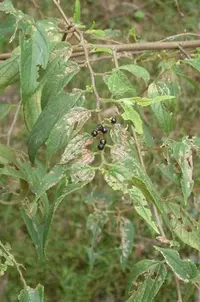
This pest feeds on the underside of leaves, causing pale stippling that can progress to bronzing and leaf drop in severe cases. Symptoms include tiny black varnish-like spots of excrement and the presence of flat, lacy-winged insects on the leaf undersides.

Solution

Monitor new growth regularly and hose down the undersides of leaves to dislodge nymphs. For ongoing infestations, use a horticultural oil or insecticidal soap directed at the leaf undersides, and keep the shrub well-watered and unstressed to improve resistance when growing Japanese Pieris.

Leaf spot

This disease causes small, brown to purplish spots that can merge into larger blotches, leading to premature leaf drop on older foliage. Symptoms include more severe spotting in dense, shaded, or poorly ventilated parts of the plant.

Solution

Prune and dispose of heavily spotted leaves to reduce spread, and thin dense growth to improve air circulation. Avoid overhead watering, water at soil level in the morning, and if needed use a labeled fungicide during wet periods, focusing on new foliage as it emerges.

Phytophthora dieback

This disease affects the roots and lower stem, leading to wilting, dull or off-colored foliage, and progressive dieback of shoots, often starting on one side of the plant. Symptoms include dark, discolored tissue at the root collar or in lower stems when the bark is peeled back.

Solution

Improve drainage immediately by amending soil or raising the planting area, and avoid waterlogged or compacted sites for Pieris japonica 'Mountain Fire' care. Remove and destroy severely affected plants and avoid replanting another Pieris or other susceptible ericaceous shrub in the same poorly drained location.

Scale insect

These insects appear as small, fixed bumps on stems and sometimes leaves, sucking sap and causing gradual weakening and yellowing. This pest often produces sticky honeydew, which can support black sooty mold on foliage.

Solution

Gently scrape off visible scales or prune out heavily infested twigs, then treat remaining stems with horticultural oil during the dormant or cool season to smother insects. Encourage natural predators such as lady beetles by avoiding broad-spectrum insecticides that could disrupt beneficial insects.

Bud blast

This disease affects flower buds, which turn brown or black, dry up, and fail to open, while leaves may remain largely unaffected. Symptoms include scattered dead buds that remain attached to the plant and can harbor the pathogen.

Solution

Remove and dispose of all affected buds and nearby twig tips to reduce inoculum, disinfecting pruning tools between cuts. Improve air movement around the shrub by thinning crowded branches and avoid wetting flower buds with overhead irrigation, using targeted fungicide sprays only if the problem recurs annually and is confirmed by a local extension service.

Interesting Facts

Juvenile foliage color shift

New leaves emerge bright, fiery red in early spring, then gradually shift through bronze to deep glossy green as they mature, creating a layered color effect on a single shrub.

Naturally compact growth

This cultivar was selected for its dense, compact habit, typically forming a rounded shrub without heavy pruning, which distinguishes it from many taller, looser Pieris japonica types.

Showy pendant flower trusses

In late winter to early spring, it produces abundant drooping clusters of small, urn-shaped white flowers that closely resemble those of heather and other members of the Ericaceae family.

Botan icon

Did you know?

Pieris japonica 'Mountain Fire' was developed as an ornamental cultivar specifically to intensify red spring foliage color compared with the wild-type species, making it one of the most widely used red-flush Japanese andromeda selections in landscape breeding and planting schemes.

FAQs about Japanese Pieris

Yellowing leaves usually indicate root stress from alkaline soil, poor drainage, or overwatering. This species prefers acidic, consistently moist but not soggy soil. Check pH, improve drainage, and avoid piling mulch directly against the stems.

Grow Healthy Plants with Botan Care

Keep your plants happy and healthy with plant identification, disease detection, and easy care guidance.

Botan plant care app — identify plants on mobile

Explore More Plants