Root zone mulching
Apply a 5–8 cm layer of coarse organic mulch around, but not touching, the trunk to keep the root zone cooler, conserve moisture, and protect surface feeder roots from mechanical damage.

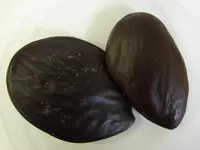
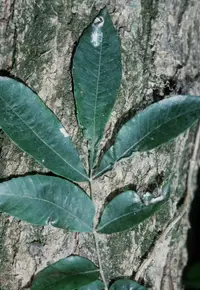
The oilbean tree, Pentaclethra macrophylla, is a large, evergreen legume native to humid tropical West and Central Africa. It often forms a broad, dense crown and can dominate farm or forest edges. Its leaves are finely divided and feathery, while long seed pods develop after flowering and contain large, oil-rich seeds. The tree is mainly grown in its home range for food, oil, shade, and soil improvement. This species prefers warm, frost-free climates, deep, well-drained soil, and consistent moisture. Due to its size, it suits farms and spacious gardens better than small yards. Understanding how to care for oilbean tree is important because it does not tolerate cold or prolonged drought well.

Care Difficulty
Moderate Care

Light Preference
Full Sun

Water Requirements
Regular Water

Temperature Preference
Tropical / Frost Sensitive

Hardiness Zone
11–12

Soil Texture
Loamy, Sandy, Organic-rich

Soil pH
Acidic (5.5–6.5), Slightly acidic (6.5–7.0)

Soil Drainage
Moist but well-drained

Fertilization
Minimal (feed rarely)
Scan your plant to receive care tips personalized for your specific plant
Available on iOS and Android
This fast-growing tropical tree needs strong light to build a dense, healthy canopy.
This species prefers consistently moist but not waterlogged soil, especially during establishment.
This tropical legume grows best in warm, frost-free conditions year-round.
This species grows best in fairly humid, lowland-tropical conditions but adapts moderately to cultivated settings.
This tree prefers deep, moist, well-aerated soil that mimics fertile tropical forest or savanna conditions.
This species can be grown in containers when maintained as a young tree or managed at a smaller size.
This nutrient-demanding tropical tree responds well to moderate, consistent feeding during active growth.
Pruning supports safe structure and manageable size in Pentaclethra macrophylla without reducing overall vigor.
This species is usually field-grown, so early transplanting decisions are more important than frequent repotting.
New plants are most often raised from seeds, with cuttings used less frequently.
This tropical tree is frost-sensitive and needs protection in regions with cool or freezing winters.

Plant Health Check
Not sure what's wrong with your plant? Check your plant's health inside the app.
The seeds are exceptionally rich in non-drying vegetable oil, traditionally extracted in West and Central Africa for food uses such as condiments and cooking fats.
As a member of the legume family, this tree forms symbioses with root bacteria that fix atmospheric nitrogen, improving soil fertility in fallow land and agroforestry systems.
The tree produces large, thick-walled pods that can reach about 15–50 cm, each containing a few heavy, flat seeds that are dispersed mainly by gravity and human collection.

This species ranks among the most economically important indigenous tree crops in parts of Nigeria and Cameroon, where its seeds, known as African oil bean, support local livelihoods through food processing, street vending, and regional trade.
This species grows relatively fast in warm, humid climates, often adding 60–120 cm per year when young. In the ground it may eventually reach 15–25 m tall with a broad, spreading crown.
Keep your plants happy and healthy with plant identification, disease detection, and easy care guidance.