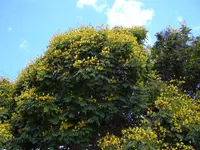
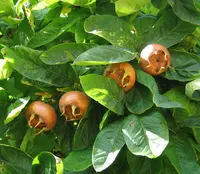
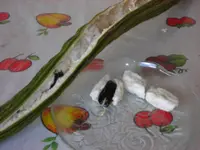
ghanja kola Care (Cola nitida)

Also known as: kolanut
ghanja kola

About ghanja kola

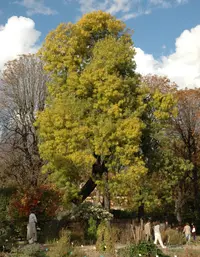
Ghanja kola, or Cola nitida, is an evergreen tree known for its glossy leaves and caffeine-rich kola nuts. It naturally occurs in the tropical rainforests of West Africa.

In cultivation it is usually grown as a small tree or large shrub, with dense foliage and upright growth. The plant prefers warm, humid conditions and does not tolerate frost.

It can be moderately challenging for beginners, mainly because it needs stable warmth, consistent moisture, and shelter from cold, dry air. A bright spot with indirect light and free-draining, slightly acidic soil supports healthy growth and helps care for ghanja kola.

Main Plant Requirements

Care Difficulty

Moderate Care

Light Preference

Partial Shade

Water Requirements

Regular Water

Temperature Preference

Tropical / Frost Sensitive

Hardiness Zone

11–12

Soil Texture

Loamy, Sandy, Organic-rich

Soil pH

Acidic (5.5–6.5), Slightly acidic (6.5–7.0)

Soil Drainage

Moist but well-drained

Fertilization

Minimal (feed rarely)

Get Personalized Care Plan

Scan your plant to receive care tips personalized for your specific plant

Available on iOS and Android

How to Care for the ghanja kola

Cola nitida prefers bright, warm conditions that resemble its native tropical forest edge light.

  • Provide 4–6 hours of gentle sun daily, ideally morning sun with light afternoon shade or filtered light under taller trees.
  • The plant tolerates partial shade, but dense shade reduces flowering and nut production; in shade, expect slower growth and sparser foliage when caring for ghanja kola.
  • Protect from intense midday sun, especially in hot climates, as prolonged exposure can scorch leaves and dry the soil too quickly.

Cola nitida prefers evenly moist, well-drained soil rather than constant wetness or repeated drying out.

  • Water when the top 3–5 cm of soil feels dry, allowing moisture to soak deeply so the root zone is damp but not soggy.
  • In warm growing seasons, expect more frequent watering, while in cooler months reduce frequency as growth slows and evaporation drops.
  • Watch for yellowing, soft leaves or a sour soil smell as signs of overwatering, and limp, curling leaves or dry, cracked soil as signs of underwatering.

This species performs best in consistently warm, frost-free conditions typical of lowland tropical climates.

  • Aim for 70–86°F (21–30°C) for active growth, with stable temperatures and minimal daily swings.
  • Cola nitida is very sensitive to cold; avoid exposure below 50°F (10°C) and protect from any frost, which can kill young shoots and damage bark.
  • In hot spells above 90°F (32°C), provide extra shade and soil moisture, as extreme heat combined with dry soil stresses the tree and slows growth.

Cola nitida prefers consistently warm, moderately humid air to support healthy foliage and steady growth.

  • Aim for 50–70% humidity, using a room humidifier or pebble tray if indoor air is dry.
  • It tolerates brief drops to 35–40%, but prolonged dry air leads to brown leaf tips and marginal scorch.
  • Curling leaves and slow growth indicate humidity stress; group ghanja kola near other plants to create a slightly more humid microclimate.

Cola nitida grows best in deep, airy, moisture-retentive but free-draining soil.

  • Use a loamy mix with high organic content, such as 50% composted bark or leaf mold, 30% loam, and 20% coarse sand or perlite.
  • Ensure rapid drainage while keeping slight moisture; water should pass through in seconds without pooling on the surface.
  • Target slightly acidic to neutral pH, around 6.0–7.0, which supports nutrient uptake and root activity.
  • Avoid heavy clay, compacted ground, or mixes with excessive peat that stay waterlogged and reduce oxygen around the roots.

This species can be grown in containers when given enough depth and stable support for its woody structure.

  • Choose a tall, heavy pot to balance the developing trunk and prevent tipping in wind or on balconies.
  • Select thick-walled clay or concrete containers outdoors to moderate root-zone temperature and reduce sudden moisture swings.
  • Use a deep, structured mix that does not collapse over time so roots can anchor firmly and keep the container stable as the plant gains height.

Cola nitida benefits from moderate feeding to support steady canopy and seed development when grown beyond its native forest soils, and these guidelines also apply when caring for ghanja kola in containers.

  • Use a balanced, slow-release fertilizer (around 10-10-10) or well-rotted compost at the start of the warm growing season.
  • Feed every 6–8 weeks during active growth, adjusting slightly based on plant vigor and soil richness.
  • Apply at half the label strength for container plants to limit salt buildup and root burn risk.
  • Stop or reduce feeding to a light compost top-dress only during cooler dormant or semi-dormant months.

Pruning Cola nitida is mainly about maintaining structure, removing weak growth, and keeping the canopy manageable in cultivation.

  • Carry out light structural pruning at the end of the dry or cool season, just before active growth resumes.
  • Remove dead, diseased, crossing, or inward-growing branches to improve airflow and reduce fungal issues.
  • Shorten or thin crowded upper branches to control height and encourage a balanced, wider crown.
  • Use clean, sharp bypass pruners or a pruning saw, making smooth cuts just outside the branch collar.

This species is usually grown in the ground, so focus on careful transplanting of young Cola nitida trees rather than frequent repotting.

  • Transplant once seedlings or young trees show strong root systems but before roots circle tightly in the container.
  • Aim to move plants at the start of the rainy or warm growing season to reduce water stress and improve establishment.
  • Shift to a hole 2–3 times wider than the root ball, keeping the original soil level at the same height.
  • Water deeply after transplanting, shade lightly for 1–2 weeks, and avoid heavy pruning at the same time to limit shock.

Cola nitida is most often propagated from fresh seed, with vegetative methods used mainly in controlled or professional settings.

  • Sow fresh seeds in warm conditions (75–85°F) at the start of the rainy or spring season for best germination.
  • Use a deep container with a loose, well-drained mix and sow seeds about 2–3 cm deep, then keep evenly moist.
  • Provide bright, indirect light and stable warmth; germination may be slow and uneven over several weeks.
  • Semi-hardwood cuttings under mist with rooting hormone are possible but require high humidity and careful disease control.

Cola nitida is a tropical, frost-sensitive tree that requires dedicated winter care in any climate with cool or freezing conditions.

  • Avoid outdoor planting where temperatures drop near or below 32°F, as foliage and young wood are easily damaged.
  • Mulch the root zone 5–8 cm deep in mild-winter areas to stabilize soil temperature and moisture.
  • Move container plants indoors or into a heated greenhouse before cold nights, giving bright, filtered light.
  • Reduce watering in cool conditions, keeping the root zone just lightly moist to prevent rot.

Care Tips

Deep root mulching

Maintain a 5–8 cm layer of coarse organic mulch around the root zone, keeping it 5–10 cm away from the trunk, to stabilize soil moisture and temperature and reduce weed competition in warm climates.

Wind protection setup

Install a temporary windbreak such as shade cloth on stakes or plant the tree near a taller hedge to protect young plants from strong, drying winds that can strip leaves and slow establishment.

Structured formative pruning

During the first 3–4 years, remove only crossing, inward-growing, or very low branches at the end of the dry season to build a strong, open canopy that supports heavy fruit clusters later in life.

Targeted iron management

If new leaves turn yellow with green veins in alkaline or compacted soils, apply a chelated iron drench near the drip line and lightly top-dress with compost to help correct iron chlorosis and support healthy growth.

Fruit load thinning

On mature trees with very heavy flowering, remove some small, crowded young pods by hand so the remaining fruits size up better and the branches are not stressed by excessive weight when growing ghanja kola.

Common Pests and Diseases

Mirid bugs

This pest feeds on young shoots, flower buds, and developing pods, causing distortion, shriveling, and premature fruit drop. Symptoms include small black or brown punctures on tender tissues and misshapen kola nuts.

Solution

Hand-pick and destroy visible bugs and severely damaged buds, then prune to remove heavily infested young shoots. For ongoing issues, apply a contact insecticidal soap or a neem-based spray directed at flushes of new growth, and reduce excess shade and dense understory plants that shelter mirids.

Kola weevils

These insects bore into stored and sometimes ripening kola nuts, creating internal tunnels that lead to mold growth, nut drying, and loss of viability. Symptoms include tiny entry holes, frass (powdery debris), and light, hollow-feeling nuts.

Solution

Discard all infested nuts, then cure and dry healthy nuts thoroughly before storage. Store in clean, well-ventilated containers, rotate stock frequently, and if necessary use brief solarization (sun-drying in thin layers) to reduce weevil populations in harvested nuts.

Kola leaf blight

This disease causes irregular brown or dark purplish lesions on leaves, often starting at the tips or margins, which can coalesce and lead to premature leaf drop. In humid conditions, symptoms include a thin, sometimes fuzzy fungal growth on the lesion surface.

Solution

Prune and remove affected leaves from the canopy and ground to reduce fungal spores, and avoid overhead irrigation that keeps foliage wet. Improve airflow by thinning dense branches and nearby vegetation, and in severe, recurrent cases use a copper-based fungicide during the wettest periods following local label directions.

Black pod disease

This disease affects developing pods, which turn dark brown to black, shrivel, and may be covered with a fine fungal growth. Symptoms include water-soaked spots on green pods that rapidly expand, leading to total nut loss in affected fruits.

Solution

Remove and destroy all infected pods promptly and do not leave them on the ground, since they release large numbers of spores. Maintain a drier microclimate by pruning for better light and air penetration, avoiding overcrowding, and, where the disease is persistent, applying preventive fungicide sprays during peak rainy months in line with regional Cola nitida care instructions.

Interesting Facts

Natural caffeine reservoir

The seeds of this species contain significant amounts of caffeine and theobromine, which function as chemical defenses against herbivores and have a stimulating effect when chewed by humans.

Traditional West African use

In parts of West Africa, the seeds are chewed fresh or dried in social and ceremonial contexts, where sharing kola nuts has long served as a sign of hospitality and respect.

Source of classic flavor

Early commercial cola beverages used extracts from the seeds of this tree as a primary flavoring and caffeine source before synthetic flavorings and other caffeine sources largely replaced it.

Botan icon

Did you know?

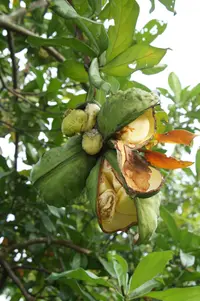
Cola nitida is an evergreen tree native to the lowland rainforests of West Africa that can reach 15–25 m in height and bears star-shaped follicles containing the distinctive bitter seeds commonly known as kola nuts.

FAQs about ghanja kola

Growth is moderate. In warm, consistently moist, frost-free conditions, young trees typically add about 30–60 cm per year. Poor soil fertility, cool temperatures, container restriction, or irregular watering slow height and trunk thickening significantly.

Grow Healthy Plants with Botan Care

Keep your plants happy and healthy with plant identification, disease detection, and easy care guidance.

Botan plant care app — identify plants on mobile

Explore More Plants