Narrow-leaved Ash Care (Fraxinus angustifolia)

Also known as: Claret ash, Desert Ash, Algerian Ash
Narrow-leaved Ash

About Narrow-leaved Ash

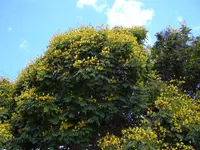
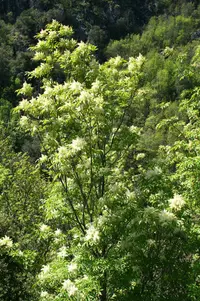
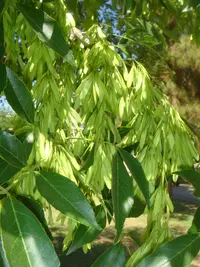
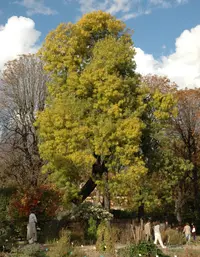
Narrow-leaved ash, Fraxinus angustifolia, is a medium to large deciduous tree valued for its slender leaves and relatively light, open crown. It typically develops a straight trunk with a rounded or oval canopy, giving a structured but not overly dense appearance in landscapes.

This species is native to parts of southern and central Europe and western Asia, where it often grows along rivers, floodplains, and moist lowland sites. It is generally fast growing and tolerant of seasonal flooding, yet it prefers deep, well-drained soils and consistent moisture.

For those learning how to care for Narrow-leaved Ash, its main challenges are its eventual large size, need for space, and regional disease pressures, especially in humid or disease-prone areas.

Main Plant Requirements

Care Difficulty

Moderate Care

Light Preference

Full Sun

Water Requirements

Moderate Water

Temperature Preference

Cold Hardy

Hardiness Zone

5–9

Soil Texture

Sandy, Loamy, Clay

Soil pH

Slightly acidic (6.5–7.0), Slightly alkaline (7.0–7.5)

Soil Drainage

Moist but well-drained

Fertilization

Minimal (feed rarely)

Get Personalized Care Plan

Scan your plant to receive care tips personalized for your specific plant

Available on iOS and Android

How to Care for the Narrow-leaved Ash

This sun-loving tree grows best in open, bright conditions with only light shade.

  • Provide 6–8 hours of direct sun daily; morning and midday sun suit Narrow-leaved Ash, with some relief from intense late-afternoon summer sun.
  • Young trees tolerate light partial shade (around 3–4 hours direct sun) but may grow more slowly and develop a looser crown.
  • In dense shade, expect sparse foliage and weak shoots; in very exposed, dry, reflective sites, monitor for leaf scorch and increase soil moisture and mulch depth.

This species prefers evenly moist but well-drained soil, especially during establishment.

  • For new trees, water when the top 5–8 cm of soil feels dry, then soak the root zone deeply so moisture reaches 20–30 cm down.
  • Reduce supplemental watering in cool, rainy seasons; during hot, dry spells, increase frequency while allowing the surface to dry slightly between waterings.
  • Signs of underwatering include dull, drooping leaves and early leaf drop, while overwatering causes yellowing foliage, soft new growth, and sour-smelling, soggy soil around Fraxinus angustifolia.

This hardy tree tolerates a wide temperature range once established.

  • Active growth is strongest around 60–80°F (16–27°C), typical of mild to warm spring and early summer conditions in many regions.
  • Mature trees usually tolerate winter lows near 0°F (−18°C) when fully dormant, though young plants benefit from protection from severe, sudden freezes.
  • In hot spells above 90°F (32°C), heat tolerance is good if soil moisture is maintained; combine deep watering with mulch to limit root stress and leaf scorch.

This species tolerates a wide humidity range and usually does not need special humidity management outdoors.

Fraxinus angustifolia prefers deep, structured mineral soil that stays evenly moist but does not remain saturated.

  • Use a loamy or loam-sandy soil with moderate organic matter to support root spread and anchoring.
  • Ensure drainage is free by avoiding compacted layers or hardpans that keep water standing around roots.
  • Aim for slightly acidic to neutral pH, around 6.0–7.5, avoiding strongly alkaline, shallow, or saline soils.
  • Improve aeration and drainage by incorporating coarse sand or fine grit into heavy clay before planting.

This tree is only suitable for short-term container growing, such as for young plants or temporary placement.

  • Choose a very large, deep, and heavy container to accommodate the strong taproot and prevent the plant from tipping in wind.
  • Use a mineral-based, slightly loamy mix that drains quickly but retains some moisture, avoiding peat-heavy, spongy substrates.
  • Position the container where it will not overheat on hard surfaces, as excess root-zone warmth can stress this fast-growing species.

This adaptable tree usually needs minimal feeding once established, especially in fertile ground.

  • For young or nutrient-poor sites, apply a balanced slow-release NPK fertilizer in early spring, following label rates closely.
  • Use well-rotted compost or leaf mold as a 5–8 cm mulch to improve soil structure and gradual nutrient supply.
  • During the growing season, avoid high-strength products; if using liquid feeds, dilute to 1/2 strength and apply sparingly.
  • In winter dormancy, do not fertilize Narrow-leaved Ash, as inactive roots cannot use added nutrients effectively.

Fraxinus angustifolia responds well to structured pruning that maintains a strong, safe canopy.

  • Carry out main pruning in late winter to early spring before bud break, avoiding heavy cuts in late summer.
  • Remove dead, diseased, crossing, or storm-damaged branches first to reduce infection risk and improve airflow.
  • Thin crowded interior shoots selectively to develop a stable framework and balanced crown shape.
  • Use clean, sharp bypass pruners or a pruning saw, making smooth cuts just outside the branch collar.

This ash is typically grown in the ground and is moved only a few times in its life.

  • Transplant young trees when roots begin circling the container or growth slows despite good care.
  • Choose early spring or early autumn for transplanting, when soil is workable and temperatures are moderate.
  • Plan moves infrequently; field-planted Fraxinus angustifolia usually tolerates transplanting only while still relatively small.
  • Dig a wide root ball, keep roots shaded and moist, replant at the same depth, then water deeply to reduce stress.

Fraxinus angustifolia is usually propagated from seed, which requires patience and specific conditions.

  • Collect ripe seeds in autumn and store cool and dry until sowing.
  • Use cold stratification by mixing seeds with moist sand and chilling at 34–41°F for several weeks to break dormancy.
  • Sow into a free-draining seed mix, covering lightly, and keep evenly moist at cool to moderate temperatures.
  • Monitor seedlings for damping-off disease, providing good air circulation and bright but not scorching light.

This species is generally cold hardy in temperate climates and needs little specific winter care once established.

  • Young or newly planted trees benefit from a 5–8 cm mulch layer over the root zone, kept clear of the trunk.
  • In very cold or exposed sites, wrap the lower trunk with a breathable tree guard to limit frost and sunscald damage.
  • Container-grown trees in colder zones should be placed in a sheltered spot or unheated garage to reduce root freezing risk.

Care Tips

Trunk training period

In the first 3–5 years, stake young trees with a single, flexible stake on the windward side and adjust ties every 6–12 months so the trunk can flex slightly, which encourages a strong taper and reduces future storm damage.

Root flare inspection

At planting and every 2–3 years, gently remove excess soil or mulch from around the base until the root flare (where the trunk widens) is visible above soil level, which lowers the risk of girdling roots and bark rot.

Winter salt protection

Where road or sidewalk de-icing salt is used nearby, create a low soil berm or use burlap screens on the salt-facing side and apply a deep flush of clean water in early spring to leach accumulated salts from the root zone.

Windward crown shaping

In exposed sites, selectively thin small interior branches on the windward side rather than topping, which reduces sail-effect and branch breakage while keeping the crown balanced and healthy when growing Narrow-leaved Ash.

Systematic pest scouting

From late spring to early autumn, inspect the canopy every 4–6 weeks with binoculars or a ladder for early signs of borer exit holes, dieback, or unusual leaf loss, and document changes so an arborist can intervene before damage becomes severe.

Common Pests and Diseases

Ash dieback

This disease is caused by the fungus Hymenoscyphus fraxineus, which leads to leaf loss, shoot dieback, and crown thinning, especially in younger trees. Symptoms include dark lesions on stems and branches and premature leaf drop from midsummer onward.

Solution

Remove and destroy heavily infected young trees and dead twigs where safe to reduce local inoculum, and avoid pruning during wet weather to limit spore spread. Maintain overall tree vigor through proper watering during drought and avoiding soil compaction, and consult a certified arborist for monitoring and long‑term Fraxinus angustifolia care in affected regions.

Ash yellows

This disease is caused by a phytoplasma, a bacteria‑like organism that lives in the phloem and disrupts nutrient transport, leading to slow decline. Symptoms include small, yellowish leaves, witches’ broom (dense twig clusters), reduced growth, and eventual dieback.

Solution

Promptly remove and destroy severely affected trees to reduce spread and avoid planting new ash trees next to known infected specimens. Keep remaining trees healthy with good site selection, adequate watering in dry periods, and control of leafhoppers where practical, as these insects can transmit the phytoplasma.

Emerald ash borer

This pest is a metallic green beetle whose larvae tunnel under the bark, cutting off water and nutrient flow, which leads to canopy thinning and branch dieback. Symptoms include D‑shaped exit holes in the bark, vertical bark splits, and increased woodpecker activity.

Solution

Inspect trunks and major branches regularly for exit holes and bark splits, and remove and properly dispose of heavily infested trees to limit local spread. In areas where the beetle is present but damage is still light, certified arborists can apply systemic insecticides to high‑value trees and advise on quarantines and firewood restrictions.

Ash bark beetles

These insects bore into twigs and small branches, often attacking stressed or recently pruned trees, causing twig dieback and scattered dead branch tips. This pest can also introduce staining fungi that further weaken the tree.

Solution

Prune and destroy infested twigs and small branches during the dormant season, making clean cuts back to healthy wood, and avoid leaving ash prunings or logs on site where beetles can breed. Reduce stress by watering during prolonged drought, avoiding mechanical trunk damage, and limiting heavy pruning during the growing season.

Ash anthracnose

This disease is a fungal leaf blight that thrives in cool, wet spring weather, causing irregular brown spots, blotches along veins, and early leaf drop. Symptoms include distorted new leaves and scattered defoliation, usually more severe on lower, shaded branches.

Solution

Rake and dispose of fallen leaves to reduce fungal spores, and improve air circulation by maintaining proper spacing from nearby vegetation. In ornamental or young plantings with repeated severe outbreaks, targeted fungicide sprays timed to bud break may be useful, following local regulations and product directions or an arborist’s guidance.

Interesting Facts

Mediterranean floodplain specialist

The narrow-leaved ash is naturally adapted to seasonally flooded river plains around the Mediterranean, where its roots tolerate periodic waterlogging followed by hot, dry summers.

Remarkable leaf variation

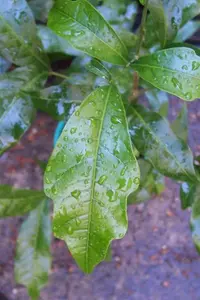
Its leaves are among the most variable in the ash genus, with leaflet number, size, and shape changing noticeably depending on habitat moisture, light levels, and even local climate conditions.

Hybridization with European ash

In regions where their ranges overlap, it hybridizes with Fraxinus excelsior, and these hybrids can show intermediate traits that complicate field identification for botanists.

Botan icon

Did you know?

In southern Europe, traditional pollard and coppice systems used narrow-leaved ash for centuries to produce both durable wood and valuable leaf fodder for livestock, making it an important multi-purpose tree in rural agroforestry landscapes.

FAQs about Narrow-leaved Ash

This species is generally fast-growing, often adding 40–60 cm of height per year in suitable conditions. Growth is quickest in deep, moist, well-drained soils and slows noticeably in drought, compacted ground, or restricted root space.

Grow Healthy Plants with Botan Care

Keep your plants happy and healthy with plant identification, disease detection, and easy care guidance.


Botan plant care app — identify plants on mobile

Explore More Plants