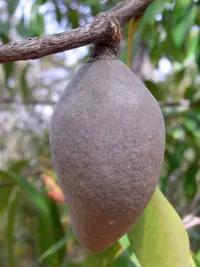
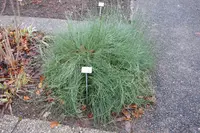
giant chinquapin Care (Chrysolepis chrysophylla)

Also known as: Golden chinquapin
giant chinquapin

About giant chinquapin

Giant chinquapin (Chrysolepis chrysophylla) is an evergreen tree or large shrub in the beech family, native to the western United States. It typically grows with a dense, rounded crown and can form thickets or stand as a single specimen.

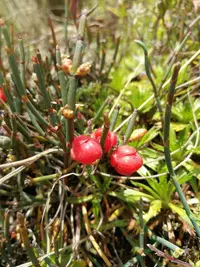
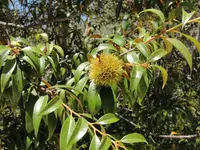
Its leathery leaves are green above and golden beneath, giving the plant a distinct two-toned look. Spiny husks hold small edible nuts, which are important wildlife food.

This species is adapted to forest and mountain slopes in California and the Pacific Northwest, where conditions are generally cool and well drained. It can be slow to establish, so understanding how to care for giant chinquapin helps improve survival and long-term growth in gardens or restoration plantings.

Main Plant Requirements

Care Difficulty

Moderate Care

Light Preference

Full Sun

Water Requirements

Low Water

Temperature Preference

Cold Hardy

Hardiness Zone

7–9

Soil Texture

Sandy, Loamy, Rocky

Soil pH

Acidic (5.5–6.5), Slightly acidic (6.5–7.0)

Soil Drainage

Well-drained

Fertilization

Minimal (feed rarely)

Get Personalized Care Plan

Scan your plant to receive care tips personalized for your specific plant

Available on iOS and Android

How to Care for the giant chinquapin

Chrysolepis chrysophylla grows best in bright, open conditions that mimic its native woodland and montane habitats.

  • Provide 4–8 hours of direct sun daily, ideally with morning sun and light afternoon shade in hotter inland areas to reduce leaf scorch risk.
  • Plant in a site that receives full sun at cooler coastal locations, but choose light or dappled shade where summer temperatures often exceed 90°F (32°C).
  • Monitor for sparse, leggy growth or small leaves as signs of insufficient light; in high summer, temporary shade cloth can prevent stress on young giant chinquapin plants.

Chrysolepis chrysophylla prefers evenly moist but not saturated soil, especially during establishment.

  • Allow the top 3–5 cm of soil to dry before deep watering, then soak the root zone thoroughly so moisture reaches at least 15–20 cm deep.
  • Use well-drained, slightly acidic soil; persistent puddling, sour smell, or yellowing, soft leaves indicate overwatering and poor drainage problems.
  • Reduce watering frequency in cool, wet seasons and during winter dormancy; in hot, dry summers, increase checks for wilting, curled leaves, or dry, crumbly soil as cues to water.

This species tolerates a broad climate range but performs best in mild, temperate conditions.

  • Optimal growth occurs around 55–75°F (13–24°C), with steady shoot and root development in regions with cool summers and moderate winters.
  • Established plants can usually withstand short drops to about 10–15°F (-12 to -9°C), though young specimens are more vulnerable to freeze damage and benefit from mulch.
  • Heat tolerance is moderate; in extended periods above 90°F (32°C), provide extra soil moisture and light afternoon shade to limit leaf scorch and stress.

This species tolerates a wide humidity range and does not usually need special humidity management outdoors.

  • Performs reliably in 30–60% humidity, typical of most outdoor temperate climates.
  • Tolerates periods of drier air if soil moisture is maintained and roots do not dry completely.
  • Low humidity stress shows as marginal leaf browning and slower new growth rather than sudden leaf drop.
  • If grown in a sheltered or hotter site, reduce humidity stress by mulching and providing occasional deep watering rather than misting.

Chrysolepis chrysophylla prefers well-drained, slightly acidic, organically enriched mineral soils.

  • Aim for a loamy or sandy-loam texture with moderate organic matter so water drains yet roots stay evenly moist.
  • Target pH around 5.5–6.5; in alkaline soils, incorporate elemental sulfur and acidic compost such as pine bark fines.
  • Blend native soil with 20–40% compost plus coarse sand or fine gravel to improve structure and drainage on heavier sites.
  • Avoid compacted clay, perched water, and chronically waterlogged spots, which promote root rot and poor establishment.

This species is only moderately suitable for container growing and is best kept in large, stable outdoor tubs for temporary cultivation.

  • Use a deep, heavy container that resists tipping, as the plant can become top-heavy as it gains height and wood mass.
  • Fill the pot with a chunky outdoor mix combining loam, bark, and coarse mineral grit to prevent compaction over several seasons.
  • Position the container where wind exposure is reduced, since tall, container-grown stems are more vulnerable to rocking and root disturbance.

This slow-growing native tree usually needs minimal feeding in the ground, but light nutrition benefits young or container-grown giant chinquapin.

  • Use a balanced slow-release fertilizer (around 10-10-10) or well-aged compost in early spring for container or nutrient-poor sites.
  • Apply a light dose 1–2 times during the growing season, avoiding high-nitrogen lawn fertilizers near the root zone.
  • Dilute liquid feeds to 1/2 strength for containers to prevent salt buildup and root burn.
  • Stop feeding in late summer so new growth can harden before winter and avoid stimulating tender shoots.

Chrysolepis chrysophylla needs only light, strategic pruning to maintain structure and remove problem wood.

  • Schedule main work in late winter to early spring, before vigorous new growth begins.
  • Remove dead, diseased, crossing, or storm-damaged branches first to maintain plant health and safety.
  • Thin crowded inner branches slightly to improve airflow and light penetration without opening the canopy too much.
  • Use clean, sharp bypass pruners or a pruning saw, cutting just outside the branch collar for proper healing.

This species is usually grown in the ground; focus on careful transplanting of young trees rather than frequent repotting.

  • Transplant in late fall or early spring when soil is workable and temperatures are mild to limit stress.
  • Look for roots circling the container or poor growth as signs that a nursery plant is ready for a larger space.
  • Handle the root ball gently, teasing only lightly at circling roots and keeping as much soil intact as possible.
  • Plant at the same depth as in the pot, water deeply, then mulch 5–8 cm to stabilize moisture and temperature.

Chrysolepis chrysophylla is usually propagated from seed and requires patience and specific conditions.

  • Collect mature nuts in fall and sow fresh, or cold-stratify seeds 2–3 months at 34–41°F to break dormancy.
  • Use a deep, well-drained, slightly acidic mix and keep evenly moist, not waterlogged, during germination.
  • Provide bright light, good air circulation, and cool to mild temperatures to support slow, steady seedling growth.

Established plants are cold hardy in much of their native range and usually need only basic winter preparation.

  • Mulch 5–8 cm over the root zone in late fall, keeping mulch a few cm away from the trunk to reduce rot risk.
  • For young trees in colder areas, wrap the lower stem with breathable trunk wrap to limit frost cracks and sunscald.
  • Container specimens in cold climates should be moved into an unheated garage or sheltered spot where temperatures stay above about 20°F.

Care Tips

Establish deep roots

During the first 2–3 growing seasons, give 1–2 slow, deep soakings per month in dry periods rather than frequent light watering so the tree develops a deep, drought-resilient root system.

Protect young bark

For young trees in full sun, use a light-colored tree guard or a breathable trunk wrap from late spring through the first few summers to reduce sunscald and rodent damage to the thin bark.

Mulch for duff mimic

Apply a 5–8 cm layer of coarse, partially decomposed wood chips or leaf litter out to the dripline, keeping it a few cm away from the trunk, to imitate natural forest duff and stabilize soil moisture.

Wind-hardening seedlings

If raising seedlings or small container plants, expose them gradually to outdoor wind and sun over 10–14 days to harden tissues and reduce transplant shock when planting out.

Plan for nut drop

When growing giant chinquapin near paths or patios, allow space where spiny burs can fall safely, or use a seasonal ground tarp for easier collection and to keep walking areas clear.

Common Pests and Diseases

Leaf miners

This pest creates winding, pale tunnels inside leaves that can cause blotchy, distorted foliage on young shrubs or saplings. Symptoms include reduced vigor when many leaves are affected.

Solution

Remove and destroy heavily mined leaves to lower larval numbers, and encourage natural predators by avoiding broad-spectrum insecticides nearby. For young or high-value plants, use horticultural oil sprays timed to the egg‑laying period on the leaf surface, following local extension guidance for forest and shrub species.

Scale insects

These insects attach to twigs and leaves as small, rounded bumps and feed on sap, sometimes causing yellowing foliage and reduced growth. Sticky honeydew and sooty mold can develop beneath infested branches.

Solution

Prune and discard heavily infested twigs, then treat remaining foliage and stems with horticultural oil during mild weather to smother the scales. Monitoring for ants and managing them helps reduce protection of the scales and improves biological control.

Leaf spot fungi

This disease group causes scattered brown or tan spots on leaves, sometimes with purple margins and premature leaf drop in humid or crowded conditions. Symptoms include a generally thin or patchy crown when defoliation is repeated over several seasons.

Solution

Rake and remove fallen leaves to reduce fungal spores, and maintain good spacing and airflow around the shrub by selective pruning. In nursery or landscape settings with recurring issues, a labeled protective fungicide can be applied at leaf emergence and repeated as directed during extended wet periods.

Powdery mildew

This disease produces a white or gray powdery coating on the upper leaf surface, particularly on shaded or densely crowded foliage. Symptoms include distorted new growth and reduced vigor if the infection is heavy.

Solution

Improve light penetration and air movement by thinning nearby vegetation and selectively pruning interior shoots. If needed for young or stressed plants, apply a labeled sulfur or potassium bicarbonate product at the first sign of mildew and repeat as directed during dry, mild conditions when this fungus is most active.

Armillaria root and collar rot

This disease, caused by Armillaria fungi in forest soils, leads to gradual decline, sparse foliage, and dieback, often in plants stressed by poor drainage or disturbance. Symptoms include white fungal sheets under the bark near the crown and sometimes honey-colored mushrooms at the base in wet seasons.

Solution

Remove and destroy severely affected plants and as much of the infected root system as possible, and avoid replanting highly susceptible woody species in the same spot. For remaining plants, improve drainage, avoid trunk injury, and reduce stress through proper watering and mulching to increase resilience against infection.

Interesting Facts

Golden-backed leaves

The leaves have a distinctive golden to yellow-brown underside covered with tiny scales, which can reflect light and may help reduce water loss in its often dry, open habitats.

Nut-producing evergreen

This evergreen tree produces acorn-like nuts inside spiny burrs, similar in appearance to true chestnuts, and these nutritious seeds are an important food source for wildlife in Pacific Northwest forests.

Fire-adapted growth

In many parts of its range, this species can resprout from its root crown after fire, allowing it to persist in fire-prone ecosystems of western North America.

Botan icon

Did you know?

Fossil evidence from western North America shows that close relatives of this species have existed since at least the Miocene, indicating a long evolutionary history in the region’s forests.

FAQs about giant chinquapin

This species is an evergreen broadleaf tree, holding foliage year-round rather than dropping leaves seasonally. Individual leaves can persist several years, so the canopy generally stays dense and green, providing continuous cover and screening in suitable climates.

Grow Healthy Plants with Botan Care

Keep your plants happy and healthy with plant identification, disease detection, and easy care guidance.

Botan plant care app — identify plants on mobile

Explore More Plants