Ylang Ylang Care (Cananga odorata)

Ylang Ylang

About Ylang Ylang

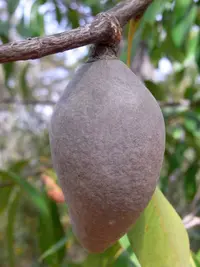
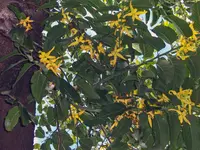
Ylang ylang, Cananga odorata, is a fast-growing tropical tree known for its drooping branches and highly fragrant, star-shaped yellow flowers. In the landscape it can become a medium to large tree, though in cultivation it is often pruned to keep it smaller and more manageable.

This species is native to humid, lowland forests of Southeast Asia and the Pacific, where it thrives in warm, frost-free conditions. Gardeners who care for Ylang Ylang usually focus on providing consistent warmth, moderate moisture, and well-drained soil, as the plant dislikes cold and waterlogged roots.

Its strong fragrance and vigorous growth are appealing, but its size and temperature needs can make it challenging in cooler climates or very small spaces.

Main Plant Requirements

Care Difficulty

Hard Care

Light Preference

Full Sun

Water Requirements

Regular Water

Temperature Preference

Tropical / Frost Sensitive

Hardiness Zone

11–12

Soil Texture

Sandy, Loamy, Organic-rich

Soil pH

Acidic (5.5–6.5), Slightly acidic (6.5–7.0)

Soil Drainage

Moist but well-drained

Fertilization

Light (every 4–6 weeks)

Get Personalized Care Plan

Scan your plant to receive care tips personalized for your specific plant

Available on iOS and Android

How to Care for the Ylang Ylang

This tropical tree needs strong, warm light to flower and grow well.

  • Provide 6–8 hours of sun daily, with morning sun and afternoon filtered light to prevent leaf scorch.
  • Allow light partial shade, especially in hot climates; flowering Ylang Ylang usually declines in deep shade.
  • In summer, protect from harsh reflected heat; in cooler seasons, choose the brightest, most open position to maximize light exposure.

This species prefers consistently moist but not waterlogged soil.

  • Water when the top 3–5 cm of soil feels slightly dry, then soak the root zone deeply rather than giving frequent light splashes.
  • Ensure free drainage with loose, organic-rich soil; standing water or a foul smell around roots signals overwatering and suffocation risk for Cananga odorata.
  • In hot, dry seasons, expect faster drying and more frequent watering; in cooler or rainy periods, extend intervals and watch for yellowing leaves as an overwatering sign.

This tropical tree performs best with stable, warm temperatures year-round.

  • Aim for 70–85°F (21–29°C) for strong growth and flowering, avoiding sudden swings of more than 10°F (6°C) in a day.
  • Protect from cold; growth slows below 60°F (16°C), and damage occurs near 40°F (4°C), with even light frost potentially killing young tissue.
  • In hot climates, the tree tolerates up to about 95°F (35°C) if soil moisture is steady and the canopy has some afternoon shade to limit heat stress.

This species prefers consistently warm, humid air to maintain vigorous growth and flowering.

  • Aim for 60–80% humidity; prolonged exposure below 40% often slows growth and reduces flower production in Ylang Ylang.
  • Crisping leaf edges, folding leaf tips, and stalled new growth indicate humidity stress or excessively dry air.
  • Use grouped plants, a room humidifier, or a pebble tray under the pot to raise local humidity without waterlogging roots.

This tree grows best in deep, moist but sharply draining soil that stays aerated around the roots.

  • Use a loamy, organic-rich base with some sand to create a structure that holds moisture yet drains freely for Cananga odorata.
  • Aim for slightly acidic to neutral pH, roughly 6.0–7.0, which supports balanced nutrient uptake and stable growth.
  • In containers, mix roughly 50% composted bark or compost, 25% coarse sand, and 25% perlite to improve drainage and air spaces.
  • Avoid heavy clay, compacted mixes, or sites where water stands after rain, as chronically saturated soil encourages root rot.

This species can be grown in large containers for some years, especially in warm climates or protected patios.

  • Choose a wide, heavy container to stabilize the tall, wind-sensitive canopy and reduce tipping in exposed locations.
  • Select thick-walled clay or concrete pots in hot regions to moderate root temperatures and prevent rapid drying of the root zone.
  • Ensure very large, unobstructed drainage holes so excess water exits quickly, preventing anaerobic conditions in the deep root area.

This tropical tree benefits from modest feeding when grown in containers or managed gardens, especially during active growth.

  • Use a balanced NPK fertilizer (such as 10-10-10) at half strength every 4–6 weeks in spring and summer for caring for Ylang Ylang.
  • Choose slow-release granules or diluted liquid feed for consistent but gentle nutrient supply.
  • Pause fertilizing in fall and winter when growth slows, especially in cooler conditions.
  • Add a thin layer of mature compost over the root zone once a year to support soil structure and microbial life.

Cananga odorata responds well to light structural pruning that maintains size and supports flowering wood.

  • Carry out main pruning at the end of winter or early spring, before strong new growth starts.
  • Remove dead, damaged, crossing, or inward-growing branches to open the canopy and improve airflow.
  • Shorten overly long shoots to control height and encourage a balanced, spreading framework.
  • Use clean, sharp bypass pruners or a pruning saw, making angled cuts just above outward-facing buds or branch collars.

This species is usually grown in the ground, so focus on careful transplanting of young trees rather than frequent repotting.

  • Transplant in late spring or early summer when soil is warm and plants establish quickly.
  • Look for circling roots in containers, slowed growth, or plants tipping as signs that a larger planting space is needed.
  • Move up only 1–2 pot sizes or into a prepared ground hole twice the rootball width, with well-drained, slightly rich soil.
  • Water deeply before and after transplanting, keep the rootball intact, and provide shade and consistent moisture for 1–2 weeks to reduce stress.

This tree is commonly propagated from seeds or semi-hardwood cuttings under warm, humid conditions.

  • Sow fresh seeds in late spring in a sterile, free-draining mix, keeping temperatures near 75–85°F and moisture even.
  • Scarify or lightly nick hard seed coats to improve water uptake and germination speed.
  • Take semi-hardwood cuttings in early summer, use rooting hormone, and place in high humidity with bright, indirect light.
  • Avoid waterlogging; provide bottom heat and gentle airflow to minimize rot while roots develop.

This tropical tree is frost-sensitive and needs protection in regions with cool or freezing winters.

  • In USDA zones colder than 10, grow in large containers and move indoors or to a heated greenhouse before temperatures drop below 50°F.
  • Use 5–8 cm of organic mulch around the root zone outdoors to buffer soil temperature, keeping it away from the trunk.
  • In marginal climates, wrap young trunks with breathable frost cloth and avoid pruning late in the season, which can stimulate tender growth.

Care Tips

Early framework training

In the first 2–3 years, select 3–4 strong branches to form a permanent framework and remove competing upright shoots so the tree develops a stable, open structure that supports heavy flowering later.

Wind and stake management

In exposed sites, install 2–3 sturdy stakes outside the root zone and use soft, adjustable ties, then remove or loosen them annually so the trunk strengthens without girdling.

Mulch for root cooling

Apply a 5–8 cm layer of coarse organic mulch over the root zone, keeping it 5–10 cm away from the trunk, to keep roots cooler, reduce surface cracking in dry spells, and encourage fine feeder roots close to the soil surface.

Salt and spray protection

In coastal or roadside locations, use a hedge or windbreak to reduce salt-laden winds and fine spray, since repeated salt exposure can burn foliage and slow growth when you grow Cananga odorata.

Flower harvest hygiene

If collecting flowers for fragrance, harvest in the early morning using clean, sharp tools and avoid tearing off clusters, which helps reduce entry points for pathogens and maintains consistent bloom production.

Common Pests and Diseases

Scale insects

This pest feeds on sap along twigs, flower stalks, and the underside of leaves, causing yellowing, leaf drop, and reduced flowering. Symptoms include small dome-shaped or flattened bumps that are hard to the touch and often covered in sticky honeydew.

Solution

Prune and discard heavily infested twigs, then wipe accessible stems and leaves with a cloth or cotton pad dipped in diluted alcohol or insecticidal soap. For outdoor trees, encourage natural predators such as lady beetles and apply a horticultural oil spray to thoroughly coat stems and leaf undersides, repeating after 7–14 days if needed.

Mealybugs

These insects appear as white, cottony masses in leaf axils, on young shoots, and around flower clusters, weakening the plant by sucking sap. This pest often causes distorted new growth, sticky honeydew, and sooty mold development on leaves.

Solution

Isolate affected plants when possible, then remove visible clusters with a cotton swab dipped in alcohol or by gently spraying with a strong stream of water. Follow up with a targeted insecticidal soap or horticultural oil treatment on all plant surfaces, repeating at intervals until no new mealybugs appear, especially important for Ylang Ylang indoor care.

Leaf spot

This disease causes brown, black, or purplish spots on leaves, sometimes with yellow halos, leading to premature leaf drop in warm, humid conditions. Symptoms include scattered lesions that can merge into larger dead patches on older foliage.

Solution

Remove and dispose of affected leaves and plant debris to reduce fungal or bacterial inoculum, and avoid overhead watering that keeps foliage wet for long periods. Improve air movement around the canopy and, for severe or persistent outbreaks outdoors, use a labeled broad-spectrum fungicide, making sure to coat both upper and lower leaf surfaces.

Anthracnose

This disease produces irregular dark, sunken lesions on leaves, young twigs, and sometimes flower stalks, which can cause tip dieback on tender growth. Symptoms include blighted shoot tips and distorted new leaves, especially during rainy, warm seasons.

Solution

Prune out and destroy infected twigs and leaves, cutting back into healthy tissue and disinfecting tools between cuts. Reduce overhead irrigation, promote good spacing and airflow, and in areas with recurrent problems, apply a preventive fungicide at the start of the wet season and repeat as directed on the label.

Interesting Facts

Complex floral scent

The flowers produce more than 100 identifiable volatile compounds, including linalool and benzyl acetate, which together create the characteristic sweet, heavy fragrance prized in high-end perfumery.

Night-active pollination

The tree flowers year-round in the tropics, with strongest scent release in the evening and at night, an adaptation that attracts nocturnal beetle pollinators from long distances.

Color-linked maturity

Individual flowers change from green to bright yellow as they mature, and the yellow stage correlates with peak fragrance and maximum essential-oil yield.

Botan icon

Did you know?

The essential oil distilled from this species has been a key component of classic perfumes such as Chanel No. 5 for more than a century, making it one of the most historically important tropical fragrance oils in modern perfumery.

FAQs about Ylang Ylang

Lack of blooms often relates to plant immaturity, insufficient warmth, or nutrient imbalance. Trees usually need several years to flower. Consistent warm temperatures, adequate fertilizer with slightly higher phosphorus, and avoiding heavy pruning of young shoots support bud formation.

Grow Healthy Plants with Botan Care

Keep your plants happy and healthy with plant identification, disease detection, and easy care guidance.

Botan plant care app — identify plants on mobile

Explore More Plants