Acclimate After Purchase
After bringing a plant home, keep it in its nursery pot for 2–3 weeks to monitor how it responds to your room conditions before deciding on any repotting or major moves.

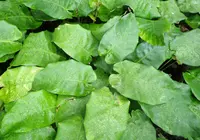
Calathea musaica, also known as Goeppertia kegeljanii, is a compact tropical understory plant grown mainly for its patterned foliage. Its small, oval leaves show a fine, mosaic-like network of light and dark green lines. The plant forms low, dense clumps that fit well on shelves or tabletops.
In nature it occurs in the tropical rainforests of Brazil, where it grows in warm, shaded, humid conditions under taller vegetation. It is considered moderately demanding, as it dislikes cold drafts, hard water, and long periods of dryness. Those who learn how to care for calathea musaica often value it as a stable, slow-growing foliage plant for indoor spaces.

Care Difficulty
Moderate Care

Light Preference
Bright Indirect Light

Water Requirements
Keep Soil Moist

Temperature Preference
Tropical / Frost Sensitive

Hardiness Zone
11–12

Soil Texture
Loamy, Peaty, Organic-rich

Soil pH
Acidic (5.5–6.5)

Soil Drainage
Moist but well-drained

Fertilization
Light (every 4–6 weeks)
Scan your plant to receive care tips personalized for your specific plant
Available on iOS and Android
This plant prefers soft, filtered light that mimics a forest understory.
Goeppertia kegeljanii needs evenly moist but not waterlogged soil.
Stable, warm conditions support healthy growth and leaf color.
This species prefers consistently high humidity to maintain stable foliage health.
Use a loose, airy, organic-rich potting medium that stays lightly moist but never waterlogged.
This plant is well suited to container growing when root space and moisture balance are controlled carefully.
Nutrient support helps Goeppertia kegeljanii maintain steady foliage growth, but it responds best to light, consistent feeding.
Goeppertia kegeljanii needs only light pruning to stay tidy and healthy indoors.
Container-grown plants appreciate occasional repotting to refresh soil and give roots more space.
New Goeppertia kegeljanii plants are most reliably produced by division rather than by seed or cuttings.
This tropical species is not frost tolerant and needs stable indoor conditions in winter.

Plant Health Check
Not sure what's wrong with your plant? Check your plant's health inside the app.
This species forms an unusually regular grid of light and dark green lines on each leaf, caused by the arrangement of leaf veins and chlorophyll-poor tissue between them, which resembles digital pixelation under close inspection.
In its native Brazilian habitat, this plant forms dense, low groundcover on the rainforest floor, with leaves held close to the substrate rather than on tall stems, an adaptation to life under heavy canopy shade.
As a member of the prayer plant group, it lifts and lowers its leaves each day through a pulvinus, a specialized joint-like structure at the leaf base that changes water pressure in response to light and dark cycles.

Molecular phylogenetic studies showed that this species, once widely known as Calathea musaica, belongs in the genus Goeppertia, and it became one of the early houseplant examples used to illustrate how DNA evidence can reshape traditional plant classifications.
Brown, crispy edges usually indicate low humidity, inconsistent watering, or excess fertilizer salts. Increase humidity to around 50–60%, keep the potting mix evenly moist, flush the soil occasionally, and avoid direct airflow from heaters or vents.
Keep your plants happy and healthy with plant identification, disease detection, and easy care guidance.