fuzzywuzzy airplant Care (Tillandsia pruinosa)

Also known as: Hoary Airplant
fuzzywuzzy airplant

About fuzzywuzzy airplant

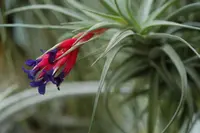
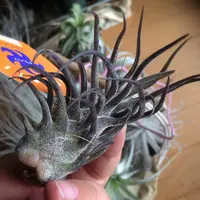
The fuzzywuzzy airplant, Tillandsia pruinosa, is a small epiphytic bromeliad that grows without soil, anchoring to bark, branches, or other rough surfaces. Its twisted leaves are covered in fine gray scales, giving a soft, fuzzy look that helps the plant absorb water and nutrients from the air.

In nature it occurs from Florida through the Caribbean and into parts of Central and South America, usually in warm, humid forests with good air movement. This slow-growing species stays compact, which makes it suitable for indoor displays and small spaces. It prefers bright, indirect light and regular moisture on its leaves, which shapes how to care for fuzzywuzzy airplant in a home setting.

Main Plant Requirements

Care Difficulty

Moderate Care

Light Preference

Bright Indirect Light

Water Requirements

Moderate Water

Temperature Preference

Tropical / Frost Sensitive

Hardiness Zone

10–12

Soil Texture

Sandy, Rocky, Organic-rich

Soil pH

Acidic (5.5–6.5)

Soil Drainage

Well-drained

Fertilization

Light (every 4–6 weeks)

Get Personalized Care Plan

Scan your plant to receive care tips personalized for your specific plant

Available on iOS and Android

How to Care for the fuzzywuzzy airplant

Tillandsia pruinosa thrives in bright, indirect light that mimics dappled forest conditions.

  • Provide 4–8 hours of bright, filtered light daily, such as near an east or bright north window, or under 30–50% shade cloth outdoors.
  • Allow gentle morning sun but protect from strong midday and afternoon sun, which can scorch the trichomes and cause bleaching or crispy tips.
  • If leaves stretch, darken, or lose their silvery cast, light is too low; move the fuzzywuzzy airplant closer to a bright source, especially in winter.

This air plant absorbs moisture through its leaves, so watering focuses on wetting foliage rather than any roots.

  • Soak or thoroughly mist Tillandsia pruinosa 2–3 times per week in warm, dry weather, and about once weekly in cool or very humid conditions.
  • After each watering, shake off excess water and let the plant dry completely within 2–4 hours to prevent rot at the base or in leaf centers.
  • Curled, crisp leaf tips indicate underwatering, while limp, dark, or mushy bases signal overwatering or poor air movement after soaking.

This species prefers warm, frost-free conditions that resemble a humid subtropical climate.

  • Aim for 65–80°F (18–27°C) for steady growth, with good air movement to prevent heat buildup around the plant.
  • Short dips to 50–55°F (10–13°C) are usually tolerated if dry, but prolonged exposure below 45°F (7°C) damages tissues.
  • Protect from frost and from extreme heat above 95°F (35°C); in hot weather, increase shade and air circulation while avoiding cold drafts from open windows or vents.

This air plant prefers moderate to high humidity to stay hydrated and active.

  • Aim for 50–70% humidity; it tolerates brief dips lower if watering is consistent.
  • Dry air causes curling, wrinkled leaves and slower recovery after watering, classic stress signs in fuzzywuzzy airplant.
  • Increase humidity with nearby pebble trays, clustered plants, or a small humidifier rather than constant misting.

Tillandsia pruinosa does not grow in conventional soil and should never be planted in potting mix.

  • Keep plants mounted on bark, cork, or stone, or placed loosely in coarse materials like orchid bark or lava rock so air flows around all sides.
  • Choose a support that dries fully within 4–6 hours after watering; constantly damp surroundings promote rot at the base.
  • Neutral to slightly acidic conditions are fine, but focus more on airflow and fast drying than on precise pH.
  • Avoid peat-heavy, compact, or water-retentive mixes, and do not bury any part of the plant in substrate.

This species can be displayed in containers as long as it remains an air plant, not potted in soil.

  • Use shallow, open containers like bowls, mesh cups, or slatted holders so air circulates freely around the entire plant.
  • Raise the plant on decorative stones, shells, or wire stands inside the container so any residual water drains away from the base.
  • Select heavier containers or add weight at the bottom to prevent toppling if the plant is mounted high or on a vertical display.

This air plant benefits from light feeding during active growth but does not need heavy fertilization.

  • Use a balanced, water‑soluble NPK orchid or air-plant fertilizer at 1/4–1/2 strength; avoid slow-release products on leaves.
  • Feed every 3–4 weeks in spring–summer by adding diluted fertilizer to the misting or soaking water.
  • Rinse with plain water once monthly to prevent salt buildup on leaf surfaces.
  • In autumn–winter, reduce feeding to every 6–8 weeks or pause if light and growth are very low; this still supports caring for fuzzywuzzy airplant.

Pruning needs for Tillandsia pruinosa are minimal and mainly cosmetic.

  • Best time to tidy is after flowering or during active growth in spring–summer.
  • Remove only dead, brown, or damaged leaves by gently pulling or cutting at the base with clean scissors.
  • Trim spent flower spikes at their base once they are completely dry to maintain a neat shape.
  • Avoid cutting healthy green leaves, as this reduces photosynthesis and can slow growth or offset production.

This air plant is usually mounted rather than potted, so focus on remounting or repositioning instead of traditional repotting.

  • Remount when the clump outgrows its support, becomes unstable, or when ties cut into the leaf bases.
  • Choose late spring–summer for remounting, when warmth and light support quick recovery.
  • Gently detach the plant, handling only the base, and fix it to new bark, cork, or wire mesh using soft wire, fishing line, or breathable tape.
  • Keep the plant slightly shaded and maintain good air movement and regular misting for 1–2 weeks to limit stress.

Propagation of Tillandsia pruinosa is commonly done through division of offsets rather than from seed at home.

  • Allow pups to reach about 1/3–1/2 the size of the parent before separating for best survival.
  • Detach pups in spring–summer by gently twisting or cutting them away at the base with sterile scissors.
  • Mount each offset on bark, cork, or mesh, securing lightly so air can circulate around the base.
  • Provide bright, indirect light, 60–70% humidity, and consistent misting to encourage rooting and establishment.

This air plant is not frost hardy and needs protection in cold climates.

  • Move outdoor plants indoors before temperatures drop below 40°F, using bright, indirect light near a window.
  • Avoid exposure to frost or freezing wind, which damages leaf tissues and trichomes (the tiny water-absorbing hairs).
  • Reduce watering and soaking in winter, allowing leaves to dry fully between misting to prevent rot in cool conditions.

Care Tips

Mounting position

Mount plants on cork, hardwood, or inert wire so that the natural leaf curl hangs downward, which prevents water from sitting in the leaf bases and reduces rot risk.

Airflow management

Place plants near a gentle fan or open vent with indirect light to keep air moving around the dense, fuzzy leaves, which helps them dry within 1–3 hours after misting or soaking.

Targeted pest checks

Inspect the inner leaf curls and the sheltered base every 1–2 weeks with a flashlight for mealybugs or scale, since their compact, twisted form hides pests that are easy to miss at a glance.

Travel hydration setup

Before leaving for a few days, give a thorough soak, shake plants dry, then place them on a dry, well-ventilated rack inside a clear but vented container so humidity rises slightly without trapping standing water.

Display rotation

Rotate display pieces every 2–4 weeks between slightly brighter and slightly shadier spots with good airflow to balance light exposure and prevent one side from becoming weak or etiolated while growing fuzzywuzzy airplant.

Common Pests and Diseases

Mealybugs

This pest feeds in leaf axils and on the fuzzy leaf bases, causing yellowing, distorted growth, and sticky honeydew that can lead to sooty mold on Tillandsia pruinosa.

Solution

Isolate the plant, then rinse thoroughly under lukewarm running water, focusing on the leaf bases and crevices, and repeat weekly until no insects remain; stubborn clusters can be dabbed with cotton swabs dipped in isopropyl alcohol. Improve air circulation and avoid overly frequent misting of crowded plants, since a drier, well‑ventilated environment reduces reinfestation risk.

Scale insects

These insects attach firmly along leaf sheaths and protected inner curls, sucking sap and causing pale patches, slow growth, and occasional leaf drop.

Solution

Manually scrape or wipe off visible scale with a soft brush or cloth, then rinse the plant thoroughly and allow it to dry quickly in bright, airy conditions. For lingering insects, apply a light treatment of insecticidal soap or horticultural oil to the affected areas only, then increase airflow and avoid leaving water trapped in tight leaf curls.

Spider mites

This pest thrives on dry, stagnant air around the trichome‑covered leaves, leading to fine webbing between leaves and a dull, stippled appearance on the foliage.

Solution

Rinse the plant under a strong but gentle stream of water, paying attention to inner leaf whorls, and repeat every few days for 2–3 weeks. Improve humidity to a moderate level, increase air movement, and, if needed, use insecticidal soap labeled for mites, ensuring the plant dries within a few hours after treatment.

Bacterial leaf spot

This disease appears as small, water‑soaked or translucent spots that turn brown on the leaf surface, often starting where water stays trapped near the base or in tight curls.

Solution

Remove and discard affected leaves or sections with sterilized scissors, then reduce overhead misting and ensure the plant dries fully within 3–4 hours after any watering. Increase airflow around the plant, avoid soaking the foliage for prolonged periods, and disinfect any tools used to prevent spreading the bacteria, which is essential for good Tillandsia pruinosa care.

Fungal crown rot

This disease begins where water remains trapped in the tight central whorl, causing soft, dark, and eventually collapsing tissue at the plant base while outer leaves yellow and detach easily.

Solution

At first signs, trim away affected soft tissue with sterile tools and allow the plant to dry quickly in a warm, very airy location, avoiding all soaking until recovery is clear. Prevent recurrence by watering early in the day, shaking off excess water from the crown, mounting the plant so excess moisture drains freely, and spacing plants so air can move well around each one.

Interesting Facts

Trichome-rich foliage

This species has dense, fuzzy trichomes (specialized leaf hairs) that give it a silvery, pruinose look and allow it to absorb nearly all its water and nutrients directly from the air and rain, rather than from soil.

Natural cloud-forest epiphyte

It typically grows as an epiphyte on trees in warm, humid lowland and montane forests of Central and northern South America, anchoring to bark without parasitizing the host tree.

Color-shifting flower bracts

Before flowering, the compact rosette often blushes pink to reddish, and then produces tubular purple flowers that attract hummingbirds in its native range, an adaptation that supports bird pollination.

Botan icon

Did you know?

This species is considered one of the more xeromorphic members of the genus, meaning its structure is adapted to resist drying out, which allows it to tolerate brighter light and periods of drought better than many other soft-leaved air plants.

FAQs about fuzzywuzzy airplant

This species usually needs to reach maturity and experience a period of bright, stable light and good air movement before flowering. Stress from frequent relocation, handling, or poor air circulation often delays blooms rather than preventing them permanently.

Grow Healthy Plants with Botan Care

Keep your plants happy and healthy with plant identification, disease detection, and easy care guidance.

Botan plant care app — identify plants on mobile

Explore More Plants