Shelter From Wind
Site plants where taller shrubs, fences, or buildings break strong prevailing winds, since constant wind stress can distort new growth and increase water loss in meli.

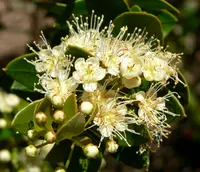
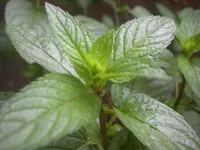
Amomyrtus meli, commonly called meli, is an evergreen shrub to small tree from the temperate rainforests of southern Chile and Argentina. It belongs to the myrtle family and often grows with a dense, branching habit. Leaves are small, glossy, and aromatic when crushed, while white flowers appear along the stems and attract pollinators. In its native habitat it prefers cool, humid conditions and fertile, consistently moist soil. These traits mean it can be challenging in hot, dry, or strongly continental climates. Gardeners who care for meli successfully usually provide shelter from extreme heat, steady moisture, and a mild, frost-free environment.

Care Difficulty
Moderate Care

Light Preference
Partial Shade

Water Requirements
Moderate Water

Temperature Preference
Warm Climate

Hardiness Zone
9–11

Soil Texture
Loamy, Sandy, Organic-rich

Soil pH
Acidic (5.5–6.5), Slightly acidic (6.5–7.0)

Soil Drainage
Moist but well-drained

Fertilization
Minimal (feed rarely)
Scan your plant to receive care tips personalized for your specific plant
Available on iOS and Android
This evergreen shrub prefers bright, gentle light similar to an open woodland edge.
This species prefers evenly moist, well-drained soil without long dry spells or standing water.
This shrub prefers mild, ocean-influenced climates without strong frost or extreme heat.
This species prefers moderately moist air but tolerates typical household conditions.
This shrub needs well-structured, free-draining soil to avoid persistent root wetness.
This species can be grown successfully in containers when stability and drainage are planned carefully.
This Chilean myrtle is adapted to low-nutrient soils, so light feeding supports growth without being essential.
Pruning Amomyrtus meli focuses on light shaping and removal of damaged wood rather than heavy cutting.
This species is usually grown in the ground, so planning transplanting carefully is more important than frequent repotting.
Propagation of Amomyrtus meli is done, but it is somewhat slow and best suited to patient growers.
This shrub is moderately cold hardy but benefits from simple winter care in colder regions.

Plant Health Check
Not sure what's wrong with your plant? Check your plant's health inside the app.
This species is naturally restricted to the temperate rainforests of southern Chile, where it grows in cool, very wet, ocean-influenced valleys and lower mountain slopes alongside other myrtle family trees.
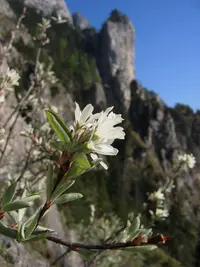
It produces small white, sweetly scented flowers that are rich in nectar and strongly visited by native pollinating insects, making it an important component of local forest pollination networks.
After flowering, it forms small, dark, berry-like fruits that are eaten by birds, which then disperse the seeds and help maintain mixed-species myrtle forests.

In parts of southern Chile, this species has been traditionally valued as a fine-textured, durable timber for small-scale rural construction and tool handles, reflecting its role not only as a forest component but also as a long-standing local resource.
Lack of flowers usually comes from insufficient light, heavy pruning at the wrong time, or poor nutrition. Allow the shrub to mature, avoid cutting new wood before flowering, and use a balanced, slow-release fertilizer in spring.
Keep your plants happy and healthy with plant identification, disease detection, and easy care guidance.